
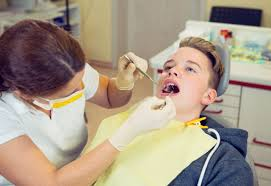
Teen years can feel harsh. Every glance in a mirror can hit hard, especially when you feel embarrassed about your teeth. You might avoid smiling in photos. You might cover your mouth when you laugh. That quiet shame can spread into school, social life, and sports. It does not need to stay that way. Today, safe cosmetic dentistry gives teens real options. It can straighten crooked teeth. It can repair chips and cracks. It can brighten teeth that look stained. Each change can lift your mood and calm your mind. A dentist in Calgary can guide you through what is right for you. You will learn what each treatment does. You will see how long it takes. You will understand what it costs. This blog explains three common cosmetic dentistry procedures that help teens feel steady, strong, and ready to smile without fear.
1. Teeth Whitening for Stained or Dark Teeth
Stained teeth can feel like a spotlight on your mouth. You might feel that people see the color before they see you. Coffee, tea, sports drinks, and some medicines can darken teeth. Genetics can also play a role. You are not alone.
Teeth whitening can reduce many stains and help teeth look lighter. A dentist can use safe products that protect your gums. You sit in the chair. The dentist places a shield on your gums. You get a whitening gel on your teeth. You wait. Then you see a change.
You can also use custom trays at home. The dentist makes thin trays that fit your teeth. You place gel in them and wear them for a set time. You follow clear steps. You come back for checks.
The American Dental Association explains that dentist-supervised whitening is safer than using random products on your own.
2. Orthodontic Treatment for Crooked or Crowded Teeth
Crooked or crowded teeth can crush confidence. You might hide your smile. You might feel shy during class talks or team photos. Straightening teeth does more than change looks. It can also help you clean your teeth and protect your bite.
Orthodontic treatment uses steady pressure to move teeth into healthier positions. You and your parent can talk with a dentist or orthodontist about different choices.
- Traditional metal braces
- Clear or tooth colored brackets
- Clear aligner trays
Each option has strengths. Braces stay on your teeth. Aligners come out when you eat and brush. Braces can be better for complex problems. Aligners can feel easier for sports or band if you can keep track of them.
The U.S. National Institutes of Health notes that orthodontic care can improve bite function and reduce some risks of tooth wear.
3. Dental Bonding for Chipped, Gapped, or Misshapen Teeth
One chipped front tooth can change how you feel every time you talk. A small gap can draw your eye in every selfie. Dental bonding can soften that sting.
With bonding, the dentist uses a tooth colored resin to reshape or repair a tooth. The dentist first roughens the surface. Then the dentist adds the resin, shapes it, and cures it with a special light. The color blends with your natural tooth.
Bonding can help with three common concerns.
- Small chips from falls or sports injuries
- Small gaps between teeth
- Minor changes in length or shape
Bonding usually needs only one visit. It removes little or no tooth enamel. That can feel less scary than other options. Over time, bonding can stain and may need touch-ups. You protect it by avoiding chewing ice or hard candy and by wearing a mouthguard during sports.
Comparing Common Cosmetic Options for Teens
You and your parent need clear facts. The table below gives a simple comparison. It does not replace a visit. It gives you a base for questions.
| Procedure | Main Purpose | Typical Time To Complete | Usual Longevity | Best For Teens Who |
|---|---|---|---|---|
| Teeth Whitening | Lighten stains and dark teeth | One office visit or a few weeks with home trays | Months to a few years with care | Have healthy teeth and gums, but feel upset by color |
| Orthodontic Treatment | Straighten teeth and correct bite | Several months to a few years | Long term with retainers | Have crowding, spacing, or bite problems |
| Dental Bonding | Repair chips and change small shapes | Usually one visit | Several years, may need repair | Have one or a few teeth that bother them |
How To Decide What Is Right For Your Teen
You care about your teen’s smile and also about safety and cost. Each choice should start with three steps.
- Schedule a full exam and cleaning
- Talk about what bothers your teen most
- Review options together and ask clear questions
You can ask.
- What are the risks
- How long will results last
- How will this affect school or sports
- What care is needed at home
Many teens feel nervous in the chair. You can tell the dentist about fears before the visit. A calm office, slow steps, and clear words can help your teen feel safe.
Supporting Confidence Beyond the Chair
Cosmetic dentistry can help a teen smile again. It is not a cure for every pain. You can also support your teen with kind words and steady routines.
- Keep regular checkups and cleanings
- Set a twice-daily brushing and nightly flossing habit
- Use a mouthguard for contact sports
Changes in a smile can change how a teen feels in class, in photos, and in daily life. With honest talks, careful planning, and the right care, you help your teen move from hiding their teeth to sharing a calm, open smile.

