
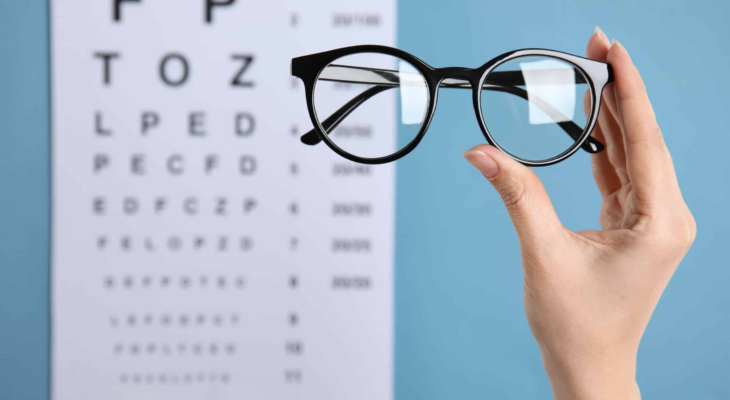
You might think of an eye appointment as something you do when street signs get blurry or your old prescription stops working. That is common, and it makes sense. Life gets busy, and if you can still get through the day, it is easy to put eye care off. But there is often a quiet shift from “I just need new glasses” to “I wish I had caught this sooner,” and that is the part many people do not see coming. Visiting an Eye doctor in McLean can help you stay ahead of changes before they become harder to manage.
The short version is simple. Seeing an eye doctor is not only about sharper vision. It is also about spotting eye disease early, checking for signs of other health problems, and protecting your long term sight with the right exams at the right time. If you have ever wondered whether a visit is really worth it when you are not ready for new frames, the answer is often yes.
Could an eye exam catch more than blurry vision?
When most people think about an eye exam, they picture the familiar “Which is better, one or two?” test. That matters, of course, because clear vision affects driving, reading, work, and daily comfort. But a full visit can go much further than a prescription check, which is why many people benefit from seeing an eye specialist even when their vision seems mostly fine.
Some eye conditions begin with little to no warning. Glaucoma, diabetic eye disease, and macular degeneration can develop quietly, and by the time symptoms become obvious, damage may already have happened. That is what makes routine care so important. It is not about fear. It is about timing. Early detection can give you more options and a better chance to protect your sight.
If you are not sure who to see, the National Eye Institute offers helpful guidance on finding an eye doctor. For many people, that first step clears up a lot of confusion.
Why would an eye doctor look for health problems outside your eyes?
This surprises a lot of people, but your eyes can reveal clues about your overall health. During an exam, an eye doctor may notice signs linked to diabetes, high blood pressure, autoimmune conditions, or other issues that affect blood vessels and nerves. In some cases, those signs show up in the eyes before you feel different anywhere else.
Because of this, an appointment can be about much more than sight. It can be part of your wider health picture. Imagine going in because you have headaches, dry eyes, or more floaters than usual, and learning that the real issue needs medical follow up. That kind of information can be unsettling, but it can also be deeply useful. Catching a problem early often means less stress, fewer complications, and more control over what happens next.
MedlinePlus has a clear overview of eye care and common eye concerns, which can help you understand when symptoms deserve attention.
What makes a dilated eye exam worth it if you already see well?
This is where many people hesitate. If your vision seems okay, a dilated exam can feel unnecessary or easy to postpone. But dilation gives your eye doctor a better view inside the eye, including the retina and optic nerve. That closer look can uncover problems that a basic vision screening may miss.
So, where does that leave you if you feel fine? It means “fine” and “healthy” are not always the same thing. A person can read a menu, drive to work, and function normally while an eye disease slowly progresses in the background. That is why a vision exam and a medical eye exam are not always the same experience.
If you want to know what happens during this type of visit, the National Eye Institute explains why a dilated eye exam matters and what to expect.
How does “just getting glasses” compare with full eye care?
It helps to see the difference clearly. A quick prescription update can improve how you see today. A full exam can also help protect how you see tomorrow.
| Focus | Glasses Only Mindset | Full Eye Care Approach |
|---|---|---|
| Main goal | Sharpen vision for daily tasks | Sharpen vision and check for eye disease or health concerns |
| What may be missed | Silent conditions with few early symptoms | Better chance of catching issues early |
| Best for | Short term vision correction | Long term eye health and function |
| Common example | Updating a prescription after noticing blur | Checking pressure, retina, optic nerve, and overall eye health |
| Potential outcome | Clearer sight, but limited health insight | Clearer sight plus early warning of larger problems |
That difference matters most when symptoms are mild or easy to explain away. Maybe your eyes feel tired, you have trouble seeing at night, or screens leave you strained by the end of the day. Those issues can be minor, but they can also point to something that deserves a closer look from an eye care doctor.
What can you do right now to protect your vision?
1. Pay attention to subtle changes. Blurry vision is not the only sign that something is off. Watch for eye pain, flashes, floaters, redness, headaches, trouble with night driving, or a feeling that one eye is not working the same as the other. Even small changes are worth noting.
2. Schedule the right kind of appointment. If it has been a while, ask for a full eye exam, not only a prescription check. If you have diabetes, high blood pressure, a family history of eye disease, or are over 60, this becomes even more important.
3. Bring your health history and questions. Write down your medications, symptoms, and any family history of glaucoma, macular degeneration, or retinal problems. That gives your provider a clearer picture and helps you get more from the visit.
When is it time to stop waiting?
If you have been telling yourself that you only need to see an eye doctor when you want new glasses, you are not alone. Many people think that way until a symptom lingers or a surprise diagnosis changes the conversation. The good news is that you do not have to wait for things to get worse before taking your eye health seriously.
Your vision supports nearly every part of daily life, from work and school to safety and independence. Taking time for proper care now can spare you more stress later. If it has been a while since your last exam, this is a good time to schedule one and ask for a full evaluation of your eye health.

