
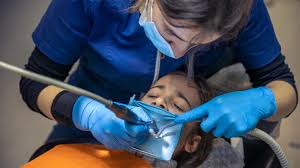
You might be feeling a little on edge because you know something could go wrong with your family’s teeth at any time, yet you are not quite sure what to do until you are staring at a chipped tooth, a swollen cheek, or a crying child in the middle of the night. Before that first real emergency, everything feels abstract. After it happens once, you realize how quickly a normal day can turn into a scramble for pain relief and answers with dental care in Clermont, FL.end
If that is where you are, you are not alone. Many families have a plan for medical emergencies, but almost no plan for toothaches, broken teeth, or a knocked out tooth. The good news is that dental emergencies become much less frightening when you prepare a few simple things in advance. You can know what is urgent, what can wait, and what you can safely do at home until you see a family dentist.
In simple terms, you will want to do three things. Build a small dental emergency kit at home. Learn the difference between “call now” and “watch and wait.” And protect your family’s teeth during sports and everyday life so you face fewer emergencies in the first place.
Why do dental emergencies feel so overwhelming for families?
Dental problems have a way of showing up at the worst possible time. A child falls at the playground and breaks a front tooth on a Saturday night. A parent wakes up with sudden throbbing pain that painkillers barely touch. A teen takes an elbow to the mouth during practice and comes home with a loose or missing tooth.
In these moments, several things hit you at once. The emotional shock of seeing blood or a damaged tooth. The worry about long term appearance, especially with front teeth. The fear of cost, because you know that urgent dental work can be expensive. And the confusion about what to do in the first thirty minutes, which often matters more than people realize.
So where does that leave you when you are still in the “before” stage, trying to get ready instead of reacting in panic later?
The first challenge is not understanding what truly counts as a dental emergency. For example, a chipped tooth that does not hurt may look scary, but it might not need the same urgent care as a knocked out permanent tooth. On the other hand, a “simple” toothache that keeps getting worse can be a sign of infection, and ignoring it can affect your overall health.
The second challenge is the emotional side. Children pick up on your fear very quickly. If you feel helpless or unsure, they often become more anxious, which makes it harder to keep them calm, explain what is happening, and follow simple instructions like biting on gauze or holding a cold pack on their cheek.
The third challenge is cost and access to care. You might wonder whether you should go to the emergency room or wait for a dentist. In most cases, a family dentist or urgent dental clinic is the better choice, but if you do not already have someone you trust, you might end up searching online while someone you love is in pain. That is a stressful place to be.
Because of this tension, it helps to think through a few “what if” scenarios in advance. For example, what if your child knocks out a permanent tooth during sports? You would want to know that you should keep the tooth moist, ideally in milk, and see a dentist as soon as possible. What if a teenager has constant tooth pain? Evidence based guidance on managing toothache pain can help you choose safe over the counter options while you arrange care.
Once you see the patterns behind these emergencies, they feel less like random disasters and more like situations you can manage with a clear head.
What should families weigh when planning for urgent dental care?
When you prepare for family dental emergencies, you are really comparing two paths. One path is reacting in the moment with no plan. The other is having basic tools and knowledge ready so you can protect your family’s teeth and reduce long term damage.
Here is a simple comparison to help you see the difference.
| Decision Area | “React in the moment” approach | “Prepared family” approach |
|---|---|---|
| First 15 minutes after injury | Panic, random internet searching, unclear steps, higher chance of losing a tooth | Use a small home kit, follow a written checklist, protect the tooth or area, better outcomes |
| Child’s emotional response | Sees parent stressed, cries more, harder to follow instructions | Parent stays calmer, uses simple language, child feels safer and more cooperative |
| Cost over time | More risk of avoidable extra treatment because early care was delayed or incorrect | Higher odds of saving teeth, fewer complications, more predictable treatment costs |
| Sports and activities | No mouthguard, higher risk of broken or knocked out teeth | Custom or store bought mouthguards, lower risk of trauma during contact sports |
| Pain control decisions | Guessing with pain medicines, possible overuse or unsafe combinations | Using evidence based advice for toothache pain and calling a dentist promptly |
So how can you move your family into the “prepared” column in a realistic way that fits your life?
3 practical steps to prepare your family for dental emergencies
You do not need a complicated system. You just need a few clear actions that everyone in the household can understand and follow. These three steps will give you a strong foundation for any dental emergency preparation.
Step 1: Build a simple dental emergency kit at home
Think of this as a small add on to your existing first aid kit. It does not need to be fancy. A clear plastic box or zipper pouch works well. Label it “Dental” so you can grab it quickly when you are stressed.
Useful items to include are:
• Clean gauze pads to control bleeding or protect a broken tooth edge.
• A small, clean container with a lid, to hold a knocked out tooth or a broken fragment in milk or saline.
• Over the counter pain relievers appropriate for your family, along with dosage instructions from your doctor or pharmacist.
• A cold pack for swelling and pain after an injury.
• A small flashlight to look inside the mouth if lighting is poor.
• The phone numbers and websites of your regular dentist and any local urgent dental clinics.
For children, you can add a comfort item such as a small toy or sticker sheet inside the kit. That gives you something to offer them right away, which can help calm them while you assess what is going on.
Print a one page checklist that explains what to do if a tooth is knocked out, cracked, or if there is sudden swelling or pain. You can use guidance from trusted sources like the American Dental Association, including their educational materials for children’s dental health, and adapt it to your family.
Step 2: Learn what is “urgent now” and what can safely wait
When something happens, the hardest part is often deciding whether you need immediate care or if it is safe to wait for a regular appointment. Knowing the difference ahead of time can save you both worry and money.
Seek urgent dental care as soon as possible if:
• A permanent tooth is knocked out. Handle it by the crown, not the root. Rinse gently if dirty and either place it back in the socket if possible or store it in milk, then see a dentist quickly.
• There is strong, constant pain that does not improve with over the counter pain relievers.
• You see facial swelling, especially if it spreads toward the eye, neck, or causes difficulty breathing or swallowing. In that case, go to a medical emergency room right away.
• There is uncontrolled bleeding from the mouth that does not slow down after 10 to 15 minutes of firm pressure with gauze.
• A tooth is badly broken and you can see a pink or red spot in the center of the tooth, which could be the nerve.
On the other hand, situations that usually can wait for a scheduled appointment include a small chip without pain, a lost filling or crown that does not hurt, or mild sensitivity to hot or cold that comes and goes.
Talking about these scenarios as a family, in calm moments, helps everyone know what to expect. Older children and teens can be taught to describe their pain clearly and to show you exactly which tooth or area is involved. That is very helpful when you speak with a family dentist on the phone.
Step 3: Protect your family’s teeth before emergencies happen
Many dental emergencies are related to sports, playground falls, or night time grinding. While you cannot prevent every accident, you can lower the risk in simple ways.
For children and adults who play contact sports, mouthguards are one of the easiest and most effective tools. Research supports the use of athletic mouthguards to reduce the chance of broken or knocked out teeth. There are store bought “boil and bite” versions and custom mouthguards made by a family dentist. Custom options often fit better and are more comfortable, which means people are more likely to wear them consistently.
You can also reduce risk by:
• Teaching children not to use teeth as tools to open packages or bottles.
• Addressing teeth grinding with your dentist, who may recommend a nightguard.
• Keeping regular checkups so small problems like early decay or loose fillings are caught before they turn into urgent pain.
When you combine prevention with a home kit and a clear understanding of what is urgent, you create a calm structure around something that usually feels chaotic. That structure is one of the best gifts you can give your family when it comes to oral health.
Moving forward with more confidence about dental emergencies
You may not be able to control when the next chipped tooth or sudden toothache shows up, but you can control how prepared you feel when it does. By building a simple kit, learning which situations need same day care, and protecting your family’s teeth during everyday life and sports, you turn scary unknowns into manageable steps.
When you think about emergency care from a family dentist, remember that you are not expected to have all the answers in the moment. You only need a clear starting point. A short list of actions. A place to call. With that in place, you are far less likely to feel helpless, and far more likely to protect your family’s smiles for the long term.
You do not have to change everything at once. Start with one step this week, even if it is only writing down a plan and gathering a few items for your dental kit. Each small action you take now will make the next urgent situation feel less like a crisis and more like something you are ready to handle.

