
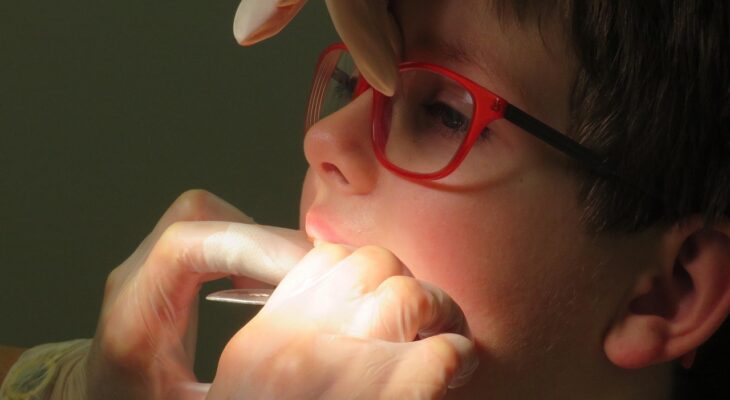
You already have enough to keep track of. School forms, snacks, bedtime, screen time, and then a child says their tooth feels funny or you notice they chew on one side of their mouth. It is easy to wonder if you are doing enough, especially when baby teeth can seem temporary. They are temporary, but the habits and protection built around them are not. A west Houston dentist helps children build stronger smiles by preventing decay, catching problems early, and making daily care easier to manage at home.
For many parents, the stress is not just about cavities. It is about missed school, unexpected bills, tears in the exam chair, and that low grade guilt that shows up when life gets busy. Regular dental care for kids lowers the chance that a small issue turns into a painful one. It also gives you a clearer plan, which is often what families need most.
Preventive general dentistry stops small problems before they grow
Children are still learning how to brush well, and even the most careful parent cannot reach every spot every time. Back teeth have deep grooves that trap food and plaque, which is why cavities often show up there first. A routine visit with a general dentist includes cleanings, exams, and guidance that fits your child’s age and risk level. That steady care matters because decay can move fast in young teeth.
When prevention slips, the problem usually does not stay small. A little sensitivity can turn into pain during meals. A cavity can mean a filling, then fear, then a child who resists the next visit because they expect more of the same. Preventive care breaks that cycle early. According to the CDC’s oral health tips for children, daily brushing with fluoride toothpaste, healthy eating habits, and regular dental visits all work together to protect kids’ teeth.
This is one of the clearest benefits of children’s dental care. It is not only about treatment. It is about lowering the odds that treatment becomes urgent, expensive, or upsetting.
Early monitoring supports healthy growth and bite development
A stronger smile is not just a cavity free smile. It also means teeth and jaws are developing in a healthy way. Children lose baby teeth on their own timeline, and not every crooked tooth or delayed eruption is a problem. Some are. A general dentist watches for crowding, bite issues, grinding, mouth breathing, and signs that a permanent tooth is not coming in where it should.
You may not notice these changes because they happen slowly. One tooth shifts. Another seems late. Your child starts breathing through their mouth at night or complains that cold drinks sting. None of that looks dramatic in the moment, but patterns matter. When a dentist sees your child regularly, those patterns are easier to catch before they lead to pain, speech issues, chewing problems, or more involved treatment later.
This is where general dentistry for children becomes practical, not cosmetic. Early monitoring gives families time. Time to adjust habits. Time to plan for orthodontic evaluation if needed. Time to protect a developing smile before a problem affects comfort or confidence.
Dental sealants and routine care add lasting protection
Some children are more cavity prone even when home care is solid. Deep grooves in molars, frequent snacking, braces, and inconsistent brushing can all raise the risk. Dental sealants give added protection by covering the chewing surfaces of back teeth where decay often starts. They are simple, painless, and backed by strong research.
The CDC explains how dental sealants help prevent cavities by sealing out food and bacteria. The National Institute of Dental and Craniofacial Research also shares clear guidance on dental sealants for children and teens, including who benefits most. For many families, sealants are one of the easiest ways to add protection without making home routines more complicated.
That matters because most parents are not looking for one more task. They want something realistic. Professional fluoride treatments, sealants, and regular exams support what you are already trying to do at home, which makes the whole system stronger.
Home care and professional dental care work best together
|
Approach |
What It Helps With |
Limits |
|---|---|---|
|
Brushing and flossing at home |
Removes daily plaque, builds healthy habits, supports fresh breath |
Kids often miss back teeth and gumline areas |
|
Healthy food and drink choices |
Lowers sugar exposure, supports enamel strength |
Snacking patterns and hidden sugars still raise cavity risk |
|
Routine visits with a general dentist |
Professional cleaning, early detection, growth monitoring, fluoride care |
Works best when visits are consistent |
|
Dental sealants |
Protects molars where many childhood cavities begin |
Does not replace brushing, flossing, or exams |
Families sometimes hope strong brushing alone will cover everything. Sometimes it does for a while. Then a cavity shows up in a molar that looked fine from the outside. That is common, not careless. Children need layers of protection because they are still learning, still growing, and still relying on adults to connect the dots.
Simple steps help you protect your child’s smile right away
Book regular checkups and keep them predictable. Children do better when dental visits are part of normal life, not something that only happens when there is pain. A routine schedule helps the dentist spot changes early and helps your child feel more at ease in the chair.
Ask about cavity risk and sealants for back teeth. Not every child has the same risk. If your child has deep grooves in their molars, snacks often, or has already had decay, ask whether sealants or fluoride treatments make sense now rather than later.
Make home care easier, not stricter. Brush twice a day with fluoride toothpaste, help younger children brush thoroughly, and keep sugary drinks and frequent sticky snacks in check. If nights are rushed, move part of the routine earlier instead of fighting through exhaustion.
Related: Why General Dentistry Plays A Vital Role In Early Disease Detection
Stronger smiles do not come from perfect parenting. They come from steady care, early support, and a plan that works in real life. General dental care gives children that foundation, and it gives you fewer surprises along the way. If your child is due for a visit, now is a good time to schedule one and keep their smile moving in the right direction.

