
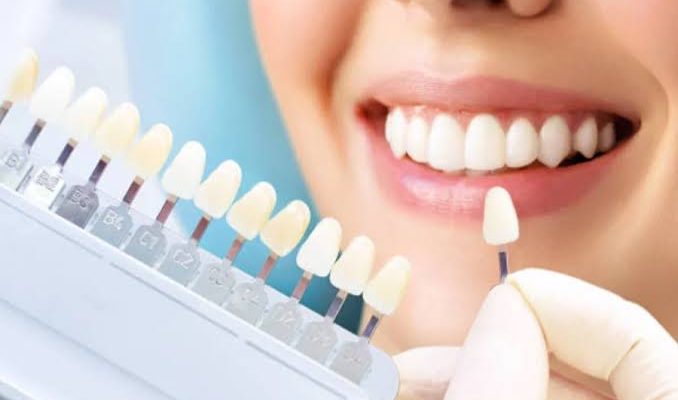
You paid for a brighter, straighter, smoother smile, and now there’s a quiet worry sitting in the background every time you drink coffee or catch yourself grinding your teeth at night. That feeling makes sense. Cosmetic dental work can look great the day you leave the office, but keeping it that way at home is where the real effort starts, especially when you’re following guidance from a laser dentist in Boynton Beach. The good news is that most daily habits that protect veneers, bonding, whitening, and crowns are simple, steady, and realistic. If you want the short version, it comes down to cleaning well, watching what stains, protecting your teeth from pressure, and staying consistent with checkups.
Cosmetic dentistry results last longer when your daily habits match the treatment
People often assume the treatment itself does all the work. It doesn’t. Whitening can fade, bonding can chip, and veneers can lose their polish if your routine stays the same as it was before treatment. You might look at your smile one morning and think it already seems a little dull, then wonder if the investment is slipping away faster than expected.
That usually starts with small things. Skipping floss because you are tired. Sipping tea all afternoon. Using a hard bristle brush because it feels like it cleans better. Clenching while you sleep and not realizing how much force your teeth take overnight. None of these feels dramatic in the moment, but the wear adds up.
Good home care protects both appearance and health. The National Institute of Dental and Craniofacial Research outlines the basics of oral hygiene, and those basics matter even more after cosmetic treatment. Plaque around veneers or crowns can still irritate gums. Staining foods can still affect natural enamel and some restorative materials. If your gums become inflamed, even beautiful dental work can start to look uneven.
The first tip is brushing twice a day with a soft bristle toothbrush and a nonabrasive toothpaste. Whitening toothpastes that feel gritty can scratch some surfaces over time. The second tip is flossing every day, especially around cosmetic work where trapped plaque can make the edges stand out. The third tip is cutting back on known stain triggers like coffee, red wine, dark soda, and tobacco. The fourth tip is wearing a night guard if you clench or grind. The fifth tip is keeping regular cleanings with your general and cosmetic dentist so small issues are caught early.
Cosmetic dental care at home depends on preventing stains, chips, and gum irritation
Stains are the problem people notice first, but pressure and inflammation often do more damage. If you bite your nails, chew ice, or use your teeth to open packaging, bonding and veneers can chip in a second. If your gums get puffy from inconsistent flossing, the shape of your smile changes, and that can make even recent work look off.
Diet plays a bigger role than many people expect. MedlinePlus offers practical guidance on healthy teeth, and one of the clearest takeaways is that what you eat and drink affects your mouth every day. Sticky sweets feed bacteria, acidic drinks soften enamel, and frequent snacking keeps your teeth under constant attack. If you had whitening done, this matters even more in the first couple of days, when teeth can be more likely to pick up color.
Grinding is another issue that sneaks up on people. You may not feel it during the day, but morning jaw soreness, headaches, or tiny rough spots on the edges of your teeth can be signs. MedlinePlus explains the effects of teeth grinding, including wear and damage that can affect both natural teeth and cosmetic restorations. A custom night guard can save you from repeated repairs.
Keeping your smile makeover results is less about perfection and more about repetition. A decent routine, done every day, protects your smile better than occasional bursts of effort after you notice a problem.
Home care and professional care work best together
| Concern | At Home | With a Dentist |
|---|---|---|
| Surface stains | Rinse with water after coffee, tea, or wine. Use a straw when it makes sense. | Professional polishing can remove some external stains safely. |
| Plaque around cosmetic work | Brush twice daily and floss carefully at the gumline. | Cleanings remove buildup in spots you miss. |
| Chips or rough edges | Avoid ice, pens, and package opening with teeth. | Minor bonding repairs are often easier when handled early. |
| Grinding damage | Wear a night guard if recommended. Notice jaw tension. | Evaluation can confirm wear patterns and adjust protection. |
| Fading whitening results | Limit stain exposure and follow product instructions closely. | Touch-up whitening may restore brightness more evenly. |
This balance matters because home care handles the daily wear, while professional care catches the things you cannot see in the mirror. A small edge stain, a loose margin, or early gum irritation is easier and cheaper to fix before it turns into a bigger problem.
Maintain cosmetic dentistry results with three smart steps you can start today
Build a low abrasion routine. Use a soft toothbrush, gentle pressure, and a toothpaste that cleans without harsh grit. Brush for two full minutes. Floss once a day. If your teeth are sensitive after whitening or other cosmetic treatment, choose products made for sensitivity instead of scrubbing harder.
Change how you handle stain and pressure. Drink water after dark beverages. Do not linger over sugary or acidic drinks for hours. Skip chewing ice, pens, and hard candy. If you wake with jaw tension or headaches, bring it up at your next visit because that pattern can shorten the life of cosmetic work fast.
Keep a maintenance schedule. Put your cleanings and exams on the calendar before you forget. If you had whitening, ask when touch-ups make sense. If you have veneers, bonding, or crowns, ask which foods and habits are most likely to damage your specific treatment.
Your smile can stay bright and polished with steady care
You do not need an extreme routine to protect your results. You need a consistent one. Clean gently, watch the habits that stain or chip teeth, and stay in touch with your dentist before small changes become expensive repairs. If you want to keep your cosmetic dental work looking natural and lasting as long as possible, schedule your next visit with a general and cosmetic dentist and get a maintenance plan that fits your daily life.

