
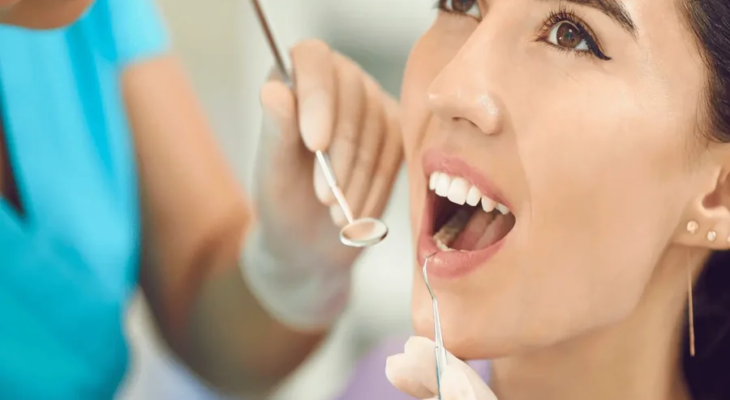
You might be feeling that your days are already packed, and the idea of adding one more “good habit” to your routine feels almost impossible. Early mornings, late meetings, kids’ activities, a commute that eats your time, and by the end of the day you just want to fall into bed, not stand over a sink and think about flossing. Still, your family dentist in Laguna Niguel knows that even small, consistent steps can make a big difference in your long-term oral health.
Then something small happens. A sudden zing when you drink something cold. A bit of bleeding when you brush. A reminder email from your general dentist that you have not been in for over a year. That is the moment many people feel a quiet worry. You know oral health matters, but it keeps falling to the bottom of the list.
If that sounds familiar, you are not lazy and you are not alone. You are simply busy, and your mouth is competing with a lot of other priorities. The good news is you do not need a perfect routine. You just need a smart one that fits your life. These six preventive dentistry tips are designed for people who are always on the go and want to protect their teeth and gums without adding stress.
In short, the goal is simple. Make dental care automatic, efficient, and kind to your future self, so you can avoid emergencies, save money, and keep your smile healthy without feeling like it is another full time job.
Why is preventive dental care so hard when life is already full?
Preventive dentistry sounds simple. Brush, floss, see your dentist, repeat. Yet when you are juggling work, family, and everything in between, even small habits can feel heavy. You might rush your morning brushing because you are late, skip flossing because you are exhausted, or cancel a checkup because a meeting popped up. One day turns into weeks, then months.
The hidden cost is that teeth and gums do not complain loudly at first. Cavities and gum disease often start silently. By the time the pain shows up, the problem is usually bigger, more expensive, and harder to fix. That is where the tension shows up. You want to avoid those problems, but your schedule is already stretched thin.
So where does that leave you? Stuck between fear of future dental work and the reality of limited time. That gap can create guilt. You might think, “I know I should do better” every time you rush through brushing. You do not need guilt. You need a plan that respects your time and still protects your health.
Preventive dental care is not just about teeth. Research shows that oral health is linked to heart health and other medical conditions. Poor gum health can increase inflammation in your body and may affect your cardiovascular system. The American Heart Association explains this connection between oral health and heart health, which is one more reason to take small, consistent steps now rather than face bigger issues later.
What actually gets in the way for busy patients?
It helps to name the specific obstacles, because once you see them clearly, you can design around them.
First, there is the time crunch. Long work hours, family duties, and social obligations leave very little mental energy at the end of the day. Even if brushing takes two minutes, it can feel like too much when you are tired.
Second, there is decision fatigue. You probably make dozens of decisions every day. By nighttime, choosing the “right” toothbrush, toothpaste, floss, or mouthwash can feel like one more chore. So you do the bare minimum, or you skip it.
Third, there is the “no pain, no problem” trap. If nothing hurts, it is easy to assume everything is fine. Imagine this scenario. You skip flossing most days, you brush quickly, and you have not seen a general dentist in two years because nothing feels wrong. Then one day you bite into something and feel a sharp pain. The dentist finds a deep cavity that needs a crown, and suddenly you are facing multiple visits and a bill that hits your budget hard. That is the emotional and financial cost of waiting.
On the other hand, imagine a different path. You spend an extra two minutes each day on your mouth, you use tools that make things easier, and you keep short, regular checkups. You still get busy, you still have days that are not perfect, but problems are caught early. Your appointments are faster, your costs are lower, and you avoid that “I knew this was coming” regret.
So how can you move from the first path to the second without turning your life upside down? That is where these six preventive dentistry tips for a busy lifestyle come in.
How do simple changes compare to waiting until there is a problem?
Sometimes it helps to see the tradeoffs in front of you. Small daily habits can feel like a nuisance, yet they often save you time and money later. Here is a comparison that many busy patients find eye opening.
| Approach | Time Per Day | Typical Cost Over Time | Stress Level | Common Outcome |
|---|---|---|---|---|
| Consistent basic prevention(brushing twice, quick floss, regular checkups) | 3 to 5 minutes | Lower ongoing costs for cleanings and small fixes | Low to moderate(habits feel routine) | Fewer emergencies, smaller cavities, healthier gums |
| “When it hurts, I will go” approach | Almost none until there is pain | Higher costs for crowns, root canals, extractions | High during urgent issues(pain, missed work, rushed visits) | More emergency visits, tooth loss risk, longer procedures |
Most people want to live in the first column, but their current habits quietly keep them in the second. The goal of smart preventive dental care for busy people is to make that first column realistic, even on your most hectic days.
Six preventive dentistry tips that actually fit a busy lifestyle
Here are practical ways to protect your teeth and gums without needing more willpower. You are not trying to become perfect. You are trying to make the right choices easier than the wrong ones.
1. Upgrade your brushing, not your willpower
If you are short on time, focus on quality, not just frequency. Use a soft bristled toothbrush and fluoride toothpaste, and aim for two minutes, twice a day. That is it. The American Dental Association has clear, simple guidance on effective home dental care routines that you can follow without overthinking it.
Small tweaks help. Keep a toothbrush and travel size toothpaste at work or in your bag. If you miss your morning routine at home, you can brush after coffee at the office. You can also set a two minute timer on your phone, or use an electric toothbrush that does it for you, so you do not have to guess or rush.
2. Make flossing almost impossible to skip
Flossing feels like the first thing to go when you are tired, yet it is one of the most effective ways to prevent gum disease and bad breath. Instead of relying on memory at the end of a long day, bring floss into your existing habits.
Keep floss picks in your car, on your desk, or next to the remote. Use them while you scroll your phone, watch a show, or wait in line. A thorough floss at night is ideal, but a “good enough” floss during the day is far better than none.
If you struggle with traditional floss, consider a water flosser. It can be faster and easier for some people, especially if you have braces, bridges, or tight spaces between teeth.
3. Turn snacks and drinks into helpers, not enemies
Busy people snack. You might grab what is quick, not what is best for your teeth. Frequent sipping of sugary drinks or constant snacking keeps your mouth in an acid attack, which wears down enamel and feeds cavity causing bacteria.
You do not need to cut everything out. Instead, bunch your snacks into short windows rather than grazing all day. Drink water in between. Choose snacks like cheese, nuts, or crunchy vegetables more often than sticky sweets. If you do have something sugary, follow it with water to rinse your mouth.
4. Protect your mouth while you protect your body
If you are active, you may already focus on nutrition and fitness. Your mouth should be part of that picture. The American Dental Association’s MouthHealthy site offers guidance on building a simple daily oral care routine that lines up with your overall wellness goals.
Use a mouthguard if you play sports, even casual ones. Avoid sipping sports drinks throughout the day. Many are acidic and sugary. If you need them for workouts, drink them in a short period, then switch back to water.
5. Treat dental appointments like non negotiable meetings
Preventive visits are your safety net. Regular cleanings and exams catch small problems before they become big ones. The challenge is that when your calendar fills up, these are the first appointments that get moved or canceled.
Try scheduling checkups at the same time every year, such as your birthday month or six months apart tied to a recurring event. Book your next visit before you leave the office, then block the time in your calendar like an important meeting. If your workplace is flexible, early morning or lunchtime appointments can help you avoid lost work hours.
Remember that a short visit now often prevents multiple long visits later. That is how smart preventive dentistry protects both your time and your wallet.
6. Watch for early warning signs and act quickly
You do not need to be an expert, but you can notice when something feels off. Pay attention to bleeding gums, persistent bad breath, sensitivity to hot or cold, or a rough spot that was not there before. These are often early signs of gum disease or tooth decay.
Because oral health connects to your overall health, especially your heart, treating early signs is not just about avoiding cavities. It is about lowering inflammation in your body and protecting long term wellness. If something feels wrong, do not wait for it to become unbearable. Call your general dentist and explain what you are noticing. A quick visit now can save you from a crisis later.
Three simple steps you can take today
Step 1: Build a “no excuse” kit
Gather a travel toothbrush, small toothpaste, floss picks, and maybe a small mouthwash. Put them in your bag, car, or desk. This turns “I forgot” into “I have what I need right here,” even on hectic days.
Step 2: Set two tiny daily anchors
Choose two moments that already happen every day, such as after your morning coffee and before you check your phone at night. Attach brushing or flossing to those moments. When the anchor happens, the habit happens. Over time, it becomes automatic and requires less effort.
Step 3: Schedule your next checkup now
Do not wait for a perfect time. There is never a perfect time. Pick a date that is “good enough” and book a preventive visit with your general dentist. Add it to your calendar, set a reminder, and treat it like any important commitment to your health.
Moving forward without adding more pressure
You do not need to overhaul your life to protect your smile. You only need a few small, consistent habits that respect how busy you are. By making smart choices now, you lower your risk of painful emergencies, protect your budget, and support your overall health.
Your schedule might be crowded, but your teeth and gums are with you through every meeting, every meal, and every milestone. They deserve a few minutes of care. Start with one change today, then build from there. Your future self will be grateful that you treated preventive dental care as a quiet daily promise instead of an afterthought.

