
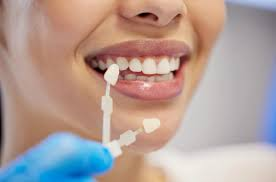
You might be looking in the mirror, admiring your brighter smile or the new veneers or crowns you invested in at Morgan Hill dentistry, and at the same time feeling a twinge of worry. You spent time, money, and emotional energy getting your teeth to look this way. Now the question sitting in the back of your mind is simple and heavy. How do you keep these results from fading or failing too soon.end
That concern is very normal. Many people walk out of a dental office excited, then a few weeks later they start wondering if that cup of coffee, that late night snack, or that moment of grinding their teeth in traffic is undoing all the progress. Because of this tension, it can feel like you have to choose between living your life and protecting your smile.
You do not. With a few steady habits and some clear boundaries, you can protect your veneers, crowns, and teeth whitening for years. In short, you will want to keep your gums healthy, be gentle with your dental work, manage stains, control grinding, choose the right products, and know when to call your dentist. The details matter, and they are simpler than you might think.
Why does keeping veneers, crowns, and whitening results feel so hard?
Think about everything your mouth goes through in a single day. Hot coffee, cold water, crunchy snacks, maybe a glass of red wine, plus stress, clenching, and rushed brushing. When you add porcelain veneers, crowns, or a whitening treatment to that mix, it can feel like you are suddenly walking on eggshells.
Here is the honest truth. Veneers and crowns themselves do not stain easily, and professional whitening can last, but the surrounding teeth and gums still age and react to daily life. Gum problems, for example, can cause crowns to look longer or create dark edges. You can read more about why gum health matters in this overview of gum disease causes and symptoms.
So where does that leave you. If you ignore maintenance, small issues build up. A tiny chip in a veneer from biting ice. A stained edge around a whitening line. A crown that starts to feel “off” because of clenching at night. These problems rarely explode overnight. They creep in slowly, and that is what makes them frustrating.
The good news is that the same steady habits that protect natural teeth can also protect cosmetic work, as long as you make a few smart adjustments.
What are the main risks to your new smile makeover?
It helps to name the troublemakers, so you are not fighting a vague fear, but real, manageable risks.
1. Staining from food and drink
Whitened teeth are especially prone to taking on new stains in the first few days. Dark drinks like coffee, tea, cola, and red wine, along with foods like berries or soy sauce, can slowly dull the brightness. Veneers and porcelain crowns resist stains, but the natural teeth around them do not.
2. Wear and chipping from habits
Chewing ice, biting fingernails, using your teeth to open packages, or grinding at night can chip or crack veneers and crowns. Once damaged, they often need to be replaced, which adds cost and stress you do not need.
3. Gum disease and recession
Even perfect cosmetic work can look wrong if gums are inflamed or receding. Plaque that is not cleaned away can cause gingivitis and periodontitis. Over time, this can loosen teeth and expose margins around crowns. MedlinePlus explains the stages and risks clearly in this resource on periodontal disease.
4. Using the wrong whitening products
Whitening toothpastes and DIY kits can help maintain brightness, but some are too abrasive or too strong for daily use, especially if you have restorations. The American Dental Association has helpful guidance on professional and over the counter whitening options so you can choose more confidently.
When you see these not as random problems but as patterns you can influence, it becomes much easier to protect your smile instead of just worrying about it.
DIY care vs professional help for cosmetic dental work
It is natural to wonder how much you should handle at home and when it is smarter to get professional support. You want to be proactive, not overreactive. The comparison below can help you sort through that.
| Need | Home Care Focus | Professional Dental Care Focus |
|---|---|---|
| Protecting veneers and crowns from damage | Avoid biting hard objects, wear a nightguard if given, maintain gentle brushing with soft bristles | Check bite alignment, adjust restorations, replace damaged work safely if needed |
| Maintaining whitening results | Limit dark drinks, rinse with water after staining foods, use ADA accepted whitening toothpaste occasionally | Periodic touch up whitening with safe concentrations and custom trays if appropriate |
| Preventing gum disease around restorations | Daily brushing and flossing, possibly interdental brushes or water flossers | Professional cleanings, gum evaluations, treatment of gingivitis or periodontitis |
| Choosing safe toothpastes and products | Look for the ADA Seal of Acceptance and non abrasive formulas | Personalized product recommendations based on enamel, sensitivity, and restorations |
| Managing sensitivity after whitening | Shorter brushing time with soft brush, desensitizing toothpaste, lukewarm foods and drinks | Evaluate for exposed roots or other causes, adjust whitening plan, apply in office desensitizers |
When choosing everyday products, a simple rule is to stick with options that have been studied and approved. The ADA explains what to look for in toothpastes that are both effective and safe. This can keep you from accidentally using something too harsh on your cosmetic work.
6 smile care tips to protect veneers, crowns, and whitening
You might be wondering how to pull all of this together without feeling overwhelmed. These six tips will cover most of what your smile enhancement care truly needs.
1. Treat your gums as the foundation of your cosmetic work
Healthy gums frame your veneers, crowns, and whitened teeth. Brush twice daily with a soft bristled brush. Angle the bristles toward the gumline and use small circles instead of hard scrubbing. Floss once a day, and if you have bridges or tight contacts, ask your dentist about floss threaders or small interdental brushes.
When gums are calm and pink, your cosmetic work looks natural. When they are red, puffy, or receding, even perfect dentistry looks off. If you notice bleeding that continues after a week of good brushing and flossing, that is a sign to schedule a checkup.
2. Be gentle with your teeth, even if they are covered by porcelain
Veneers and crowns are strong, but they are not designed to be tools. Avoid chewing ice, pens, or hard candies. Do not crack nutshells with your teeth. If you catch yourself clenching or grinding during the day, pause, rest your tongue on the roof of your mouth, and relax your jaw.
At night, a custom nightguard can protect your restorations from grinding forces you cannot control while asleep. This is one of the simplest ways to prevent chips and fractures that lead to costly repairs.
3. Create stain smart habits without feeling deprived
You do not have to give up coffee or tea forever to keep cosmetic dentistry results looking good. Instead, try to limit how often your teeth are bathed in dark liquids. Drink coffee in a shorter window instead of sipping for hours. Use a straw for iced coffee or tea so less liquid touches the front teeth. After a staining drink or meal, sip water and gently swish before swallowing.
In the first 24 to 48 hours after a whitening treatment, be extra cautious. That is when teeth can pick up new stains more easily. Many people follow a “white shirt rule” during that time. If it would stain a white shirt, avoid it, or at least rinse right away.
4. Choose products that match your dental work
Use a fluoride toothpaste with the ADA Seal to strengthen enamel and support the teeth under your crowns and veneers. If you want a whitening toothpaste to help maintain brightness, use it a few times a week instead of every day, especially if you notice sensitivity.
Mouthwashes can be helpful, but not all are the same. Alcohol free versions are often more comfortable, particularly if your teeth are sensitive after whitening. Avoid abrasive powders or DIY whitening pastes made with harsh ingredients. They can scratch enamel and the surfaces around restorations.
5. Keep a realistic whitening “baseline”
Whitening is not a one time event. Think of it as finding a shade you like, then gently maintaining it. Over whitening can cause sensitivity and may not match the color of your crowns or veneers, which do not change color with bleaching.
Before doing any at home touch ups, check in with your dentist, especially if you have multiple restorations. A simple conversation can help you avoid creating uneven shades between natural teeth and porcelain.
6. Do not skip professional cleanings and checkups
Even if everything feels fine, routine visits are how small issues are caught before they turn into bigger ones. Your dentist can polish away surface stains, check the fit of crowns and veneers, and watch for signs of gum disease or grinding.
Think of these visits as tune ups for your smile. They protect your investment and your peace of mind.
Three actions you can take today to protect your smile
Action 1. Reset your daily routine
Tonight, set out a soft toothbrush, fluoride toothpaste, and floss where you cannot miss them. Commit to two minutes of brushing twice a day and flossing once, even if that means setting a timer. This alone can dramatically extend the life of your veneers, crowns, and whitening.
Action 2. Audit your “hard on teeth” habits
Notice what you chew on when you are stressed or bored. Ice, pens, fingernails, hard candy. Choose one habit to stop this week and replace it with something safer, like sugar free gum. If you wake with jaw soreness or headaches, write that down and bring it to your next general and cosmetic dentist appointment.
Action 3. Plan your next professional visit
If it has been more than six months since your last cleaning or checkup, schedule one. Bring a list of questions about your veneers, crowns, and whitening. Ask which products they recommend for your specific mouth, and whether a nightguard or custom whitening tray would help you maintain your results more easily.
Protecting your smile is about calm consistency, not perfection
You do not have to be perfect to keep your veneers, crowns, and whitening results looking beautiful. You just need to be consistent enough that small problems never get the chance to grow. A few simple habits, the right products, and regular support from your dental team can keep your smile strong and confident for years.
If you are feeling a bit anxious about whether you are doing enough, that is already a sign that you care and are ready to take the next step. With steady care and the right guidance, your smile can stay as bright and natural as the day your treatment was finished.

