
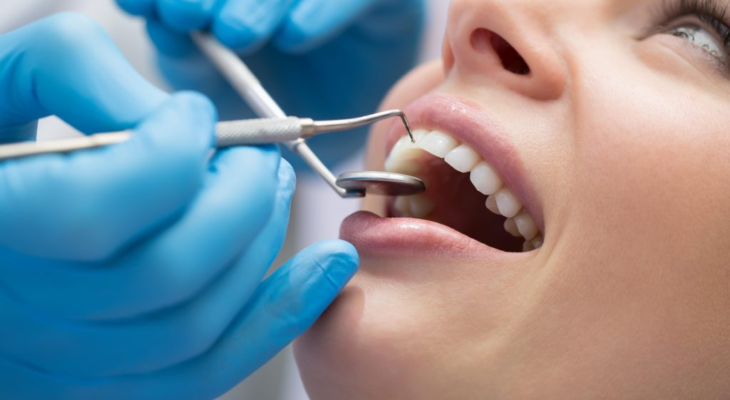
You might be sitting in the dental chair, hands gripped together, staring at the tray of shiny metal instruments and wondering what on earth is about to happen. Or maybe you keep putting off appointments because the tools themselves make you nervous. You are not alone. Many people feel uneasy when they do not understand what their dentist is using or why, and this is just as true for patients visiting dentists in Franklin Parish as anywhere else.end
Once you know what those tools do, something interesting happens. The visit feels less mysterious, your anxiety drops, and you can focus on what really matters. You are there to protect your health, not to endure a scary experience. In simple terms, dentists use a small set of key instruments again and again to examine, clean, repair, and protect your teeth. When used correctly and kept clean, these tools help keep your smile stronger for longer.
This guide walks through six of the most common tools a general dentist uses to keep your mouth healthy. You will see what each one does, why it matters, and how it helps you avoid bigger problems later on.
Why do dental tools feel so intimidating in the first place?
The problem often starts with not knowing. You hear a high pitched sound from a handpiece, see a pointed explorer or feel a mirror move around your mouth, and your mind fills in the blanks with worst case scenarios. If you have had a painful visit in the past, those memories can rush back as soon as you see the tray.
There is also a financial worry in the background. You might think, “If they use all these tools, does that mean I need a lot of work?” That fear can cause people to delay care, which then leads to bigger problems and higher costs down the road. It becomes a stressful cycle.
So where does that leave you? You want to protect your teeth, but you do not want to feel powerless or overwhelmed every time you see the instruments come out.
The solution is not to ignore the tools. It is to understand them. Once you see that these are simply precise, well designed devices that help your dentist see better, clean better and treat more gently, the whole experience starts to feel more manageable.
What are the 6 key tools general dentists rely on to keep teeth healthy?
Think of a general dentist as a primary care doctor for your mouth. They use a focused set of tools over and over to prevent, diagnose and treat problems. Here are six of the most important ones, and how they help you.
1. Mouth mirror
This is the small round mirror on a handle that you see at every visit. It lets your dentist see the back of your teeth, the inside surfaces and hard to reach areas without twisting your neck or your lips.
Why it matters: Many early cavities and gum issues start in hidden spots. The mirror gives your dentist a clear view so problems can be caught when they are small and easier to fix.
2. Dental explorer (the “probe”)
This is the thin, pointed tool that gently touches the surface of your teeth. It is often used along with the mirror.
Why it matters: The explorer helps your dentist feel for soft spots, rough edges or tiny breaks in the enamel. Used carefully, it can reveal early decay or worn fillings before you feel pain. That can mean a small filling instead of a larger treatment later.
3. Periodontal probe
This looks similar to an explorer but has tiny markings along the tip. Your dentist or hygienist uses it to measure the space between your teeth and gums.
Why it matters: Those measurements show how healthy your gums are. Shallow spaces usually mean healthy support. Deeper spaces can signal gum disease. Regular probing gives a clear picture of whether your gums are stable, improving or getting worse over time.
4. Ultrasonic scaler and hand scaler
These are cleaning tools. The ultrasonic scaler uses gentle vibrations and water spray to remove hardened plaque (tartar). Hand scalers are the small curved instruments used to clean along the gumline and between teeth.
Why it matters: Brushing and flossing are powerful, but once plaque hardens into tartar, it does not come off at home. Professional scalers remove that buildup so your gums can heal and stay healthier. This is a key part of how general dental care prevents gum disease and tooth loss.
5. Dental handpiece (the “drill”)
This is the tool most people fear, often because of the sound. Modern handpieces are designed to be precise and as gentle as possible. They are used to remove decay, shape teeth for fillings or crowns, and smooth rough areas.
Why it matters: When a cavity reaches a certain size, it has to be cleaned out. The handpiece allows your dentist to remove only the damaged tooth structure and leave the healthy part behind. Current guidance on safe use and cleaning of dental handpieces is very strict. The Centers for Disease Control and Prevention explains the infection control standards for dental handpieces and accessories, which gives an extra layer of safety for you.
6. Filling and restoration tools
Once decay is removed, your dentist uses a set of small instruments to place, shape and smooth filling material or other restorations.
Why it matters: The quality of the materials and how they are handled affects how long your treatment lasts. Ongoing research into modern dental materials has led to fillings and bonding that are stronger and more natural looking than in the past.
How safe and clean are these tools really?
This is one of the biggest unspoken worries. You see instruments going in and out of different rooms and you might quietly wonder how clean they are. That is a fair question, and it deserves a clear answer.
Dental offices follow strict rules for sterilization and disinfection of instruments. Items that go into your mouth are either single use and thrown away, or they are cleaned, disinfected and sterilized using controlled processes between patients. The CDC provides detailed guidance on sterilization and disinfection of dental instruments. Your dentist and team are expected to follow these standards every day.
Knowing this can help shift your mindset. Instead of seeing a tray of “scary” tools, you can see a carefully prepared set of clean, purpose built instruments that protect you.
Should you worry about tools or about avoiding the dentist?
It helps to compare the risks and benefits in a simple way. Many people avoid care because of fear of the instruments, yet the bigger risk often comes from skipping visits.
| Choice | Short term experience | Health impact over time | Typical cost impact |
|---|---|---|---|
| Regular visits with professional tools | Some noise or brief discomfort, usually manageable with numbing and clear communication | Early detection of problems, less gum disease, fewer emergencies, more teeth saved | Smaller, predictable costs for cleanings and minor treatments |
| Avoiding visits due to tool anxiety | Short term relief from fear of the chair | Hidden decay, worse gum disease, higher chance of pain and infections | Higher, unpredictable costs for root canals, extractions or emergency care |
When you look at it this way, the tools are not the enemy. They are what help you avoid the painful, expensive problems you are trying to escape.
What can you do right now to feel safer and more in control?
1. Ask your dentist to “tour” the tools before they start
You are allowed to ask. A simple request like, “Can you show me what you will be using and what each one does” can change the whole tone of the visit. When you know that the mirror is just for seeing, the explorer is for checking, and the scaler is for cleaning, your mind has less room to imagine the worst.
2. Set clear comfort boundaries
Tell your dentist what worries you most. For example, you can say, “The sound of the drill makes me tense. Can we use a signal so you can pause if I need a break?” Many general dentists are used to working with anxious patients and can adjust their pace, explain each step, and use numbing or other options to help you feel safer.
3. Focus on prevention between visits
The less work your dentist has to do, the fewer tools you will see in action. Good home care matters. Brush twice daily with fluoride toothpaste, floss once a day, and pay attention to any bleeding, pain or sensitivity. When you support your own oral health, your visits are more about checking and cleaning than about fixing.
Moving forward with more confidence about dental tools
You do not have to love the sound of a handpiece or the feeling of a scaler for it to be worth it. You just need to understand that these six core tools exist to protect you. They help your general dental care team see problems early, clean more thoroughly and repair teeth in a careful, targeted way.
The more you understand what is in that tray and why it is there, the more control you regain. You can ask questions. You can set boundaries. You can choose regular care over silent worry.
Your smile is not just about looks. It is about eating comfortably, speaking clearly and feeling confident. The tools might look sharp or sound loud, but used by a skilled dentist, they are some of the best allies your health has.

