
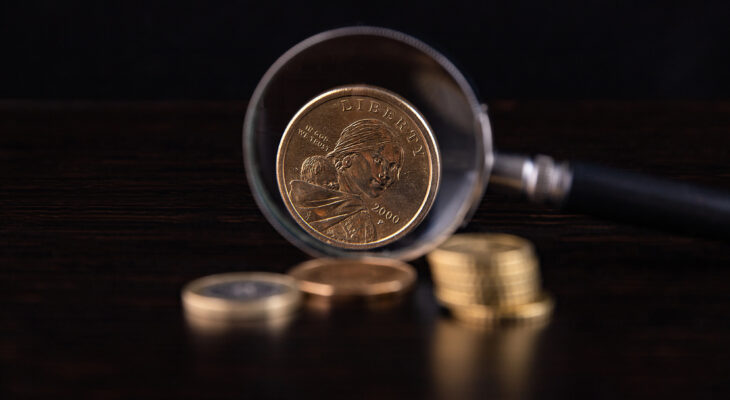
Collecting coins has always interested people since every coin has a story of value, culture, and history. Coin auctions normally gather collectors who are willing to have that one special coin to increase their collection. Acquiring the kind of special coin, however, is not as easy as it appears. It needs to have a watchful eye, patience, and the sense to identify very delicate details that can greatly contribute to the value.
- The Significance of Research: Knowledge is the key to recognizing rare coins. It is best to know beforehand the kind of coins that are rare even before setting eyes on the coins up for auction. Buyers can consult books, auction handbooks, and trustworthy websites. Keeping this knowledge at hand, buyers will be able to enter the auction hall with confidence and minimize the chance of bidding for a coin less rare than thought.
- Determining Historical Significance: The history of the coin generally determines if the coin is rare. Coins that have significant history, brief reigns, or small minting are typically worth more. Knowing the history of the coin enables a bidder to determine if the coin was minted during an important era. Some history can sometimes give a common coin life.
- Condition and Grading: Even an ancient coin in history can be nearly worthless if it is in poor health. Grading is determining the state of a coin, from uncirculated to extremely worn. Understanding how to interpret grading levels is essential in understanding a coin’s true value. Coins that are in good health and not at all worn out are usually the most valuable.
- Authenticity Matters: The coin marketplace has never found it easy with forgeries. Authenticity is among the most significant checks prior to bidding. Professional authentication by most auction houses is on offer, yet it remains wise for bidders to have knowledge of giveaway clues to fake coins. Experience with material, weight, and precision of design renders expensive mistakes unnecessary.
- Understanding Market Demand: Even the most unusual coin will be worthless if no one wants it. The demand for the time or the design places a limit on how high bids will go. Trends of previous auctions provide a sense of what coins are creating the most excitement. Market awareness is used by bidders to make smart choices on where they are going to be spending their money.
- Compare with Auction Listings: Auction catalogs also prove to be handy tools while trying to figure out what one is bidding on. Auction catalogs have photos, descriptions, and estimated values. Using such materials to compare coins assists collectors in knowing if there are any variations or distinctive features. Being prepared with such tools means even once the auction has begun, the buyer will not stand at a disadvantage.
- Learning from Expert Opinions: Heeding the words of the experts may be enlightening. Some of these experts impart their expertise in the form of articles, speeches, and even auction previews from time to time. What they have to say regarding authenticity, grading, or historical importance may turn out to be extremely helpful for novice collectors in making better decisions. One man’s experience is generally as effective as one’s own research.
Conclusion
The skill of recognizing unusual coins prior to auctioning is an art which can be learned through experience and practice. Through research, careful observation, and market study, collectors have a better chance of collecting rare items. Coin auctions present promising possibilities, but success rests in thorough study and prudent wisdom. Each coin has history, and having the ability to recognize the unusual ones allows collectors to bring home treasures.

