
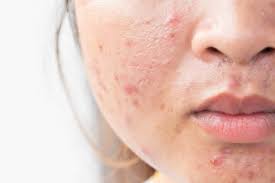
Learning how to make pimples less red can be a game changer when you’re dealing with sudden breakouts that draw unwanted attention. Redness is often caused by inflammation, irritation, or pressure on the skin but with the right remedies, you can calm it down quickly. Whether you’re getting ready for an important event or simply want clearer skin, there are fast and effective ways to reduce redness and promote healing. In this article, we’ll cover simple home treatments, skincare tips, and dermatologist-approved methods to make pimples less red and less noticeable in no time.
Understanding the Cause of Redness
Redness in acne is a sign of inflammation. It happens when your body’s immune system responds to bacteria, clogged pores, or skin irritation.
- Inflammation: The body’s immune response to bacteria trapped in clogged pores causes swelling, warmth, and redness.
- Irritation: Picking, squeezing, or using harsh skincare products can damage the skin and make redness worse.
- Skin Sensitivity: Some people’s skin naturally reacts more strongly to inflammation or certain ingredients.
Why It Matters:
Reducing redness not only soothes irritation but also supports faster healing and helps prevent long-term scarring or dark marks. Gentle care and anti-inflammatory ingredients can make a big difference in calming the skin.
Fast Home Remedies to Reduce Redness
If you’re dealing with red, inflamed pimples, a few simple home remedies can help calm your skin and reduce irritation quickly:
- Cold Compress: Apply a clean, cold compress or ice pack wrapped in a soft cloth for a few minutes to shrink blood vessels and reduce redness and swelling.
- Aloe Vera Gel: Known for its soothing and anti-inflammatory properties, pure aloe vera helps cool the skin and promote healing.
- Green Tea Compress: Soak a green tea bag in cool water and place it on the affected area. The antioxidants and tannins help calm inflammation.
- Honey: A natural antibacterial and anti-inflammatory agent, a thin layer of raw honey can help reduce redness and support healing.
- Cucumber Slices: The cooling effect of cucumber helps soothe irritated skin and lessen visible redness.
Always test new products on a small area first and avoid combining too many treatments at once. Consistent care is the best way to calm your skin.
Skincare Tips to Calm Red Pimples
Calming red pimples takes consistency and gentle care. Follow these simple steps to soothe inflammation and promote faster healing:
- Avoid Touching or Picking
Avoid touching or picking pimples. Squeezing pushes bacteria deeper, making redness, swelling, and scarring worse. Let your skin heal naturally for the best results.
- Use a Cool Compress
Use a cool compress to calm your skin. The cold helps shrink blood vessels and reduce swelling. Place a clean, cold cloth or chilled roller on the area for a few minutes to soothe redness and make pimples look less inflamed.
- Cleanse Gently
Clean your skin gently using a mild, non-comedogenic cleanser. It removes dirt, oil, and bacteria without drying out your skin. Avoid harsh cleansers, as they can worsen redness and breakouts.
- Apply Spot Treatments
Targeted treatments with proven ingredients work best:
- Salicylic Acid: Exfoliates inside pores to clear blockages and reduce swelling.
- Niacinamide: Calms redness and strengthens the skin barrier.
- Sulfur: Absorbs excess oil and dries out pimples gently.
Apply only to the affected areas to avoid over-drying your skin.
- Keep Skin Hydrated
Keep your skin hydrated with a light, oil-free moisturizer to help repair the skin barrier, speed healing, and reduce irritation.
- Wear Sunscreen Daily
Sun exposure can darken redness and slow recovery. A broad-spectrum SPF 30+ sunscreen shields your healing skin and prevents post-acne marks from becoming more noticeable.
Healing takes time, so be patient and gentle with your skin. Don’t overuse harsh scrubs or strong treatments, as they can make irritation worse. Consistent care helps your skin calm down and recover smoothly.
Dermatologist-Approved Methods
If home remedies and basic skincare aren’t enough, dermatologists use proven treatments to reduce redness, swelling, and prevent scars.
- Topical Treatments
Dermatologists often prescribe creams or gels that target inflammation and bacteria directly:
- Topical Retinoids: Help unclog pores, regulate skin cell turnover, and prevent new pimples.
- Topical Antibiotics: Reduce bacterial growth and calm redness.
- Azelaic Acid: Brightens skin tone, reduces redness, and fights acne-causing bacteria.
- Oral Medications
For moderate to severe breakouts:
- Antibiotics: Reduce deep inflammation and bacterial infection.
- Hormonal Treatments: Birth control pills or spironolactone help balance hormones that trigger acne.
- Isotretinoin: A powerful treatment for severe, persistent acne, reducing oil production and preventing new cysts.
- In-Office Procedures
Dermatologists may perform professional treatments to calm active breakouts and improve skin texture:
- Cortisone Injections: Instantly shrink large, painful cystic pimples and reduce redness within 24–48 hours.
- Chemical Peels: Exfoliate the top skin layer to remove dead cells and fade redness or dark spots.
- Laser or Light Therapy: Targets bacteria and inflammation while promoting faster healing.
- Gentle Maintenance Routine
Even with treatments, maintaining your skin health daily is key:
- Use non-comedogenic products.
- Avoid over-exfoliating or mixing too many actives.
- Stay consistent with your dermatologist’s prescribed plan.
Dermatologist-approved methods work best when combined with good skincare habits.
Lifestyle Tips to Prevent Redness
Daily habits greatly affect how calm or irritated your skin appears. Consistent small changes help control redness and inflammation.
- Maintain a Balanced Diet
Eat plenty of fruits, vegetables, and omega-3-rich foods. Avoid excessive sugar, dairy, and processed foods, which can trigger inflammation and redness.
- Stay Hydrated
Drink enough water throughout the day to keep your skin hydrated from within. Proper hydration helps your skin repair itself and maintain a healthy barrier.
- Manage Stress
Stress hormones can worsen inflammation and trigger breakouts. Try deep breathing, yoga, or meditation to calm both your mind and your skin.
- Get Enough Sleep
Aim for 7–8 hours of quality rest every night. Sleep helps your skin heal heals, reducing redness and puffiness.
- Avoid Excessive Heat and Sun Exposure
Hot showers, saunas, and direct sunlight can irritate sensitive skin. Use lukewarm water when cleansing and always apply broad-spectrum SPF 30+ sunscreen before going out.
- Keep Your Hands and Devices Clean
Your phone, pillowcases, and hands collect bacteria that can transfer to your face. Clean them regularly to minimize irritation and new breakouts.
A calm lifestyle with good routines and rest keeps skin healthy.
When to Seek Medical Advice
Mild redness or small pimples can usually be treated at home, but some signs mean you should visit a dermatologist. Seeing a professional early can help prevent scars and long-term skin problems.
Seek medical advice if
- Redness or swelling worsens even after consistent at-home care.
- Painful, deep cysts or nodules appear under your skin.
- Pimples keep returning in the same areas or spread rapidly.
- Over-the-counter products cause burning, severe dryness, or irritation.
- You notice persistent dark marks, scars, or uneven skin tone after healing.
- You experience emotional distress or lowered confidence due to acne.
A dermatologist can find the cause of your acne and recommend the right treatments for your skin. Don’t wait until your acne feels unmanageable. Early professional care can make healing smoother, reduce redness faster, and help you maintain long-term skin health.

