
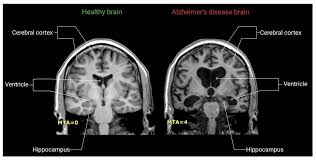
You may hear more people talk about getting a brain scan to check for memory loss. You might wonder if an Alzheimer’s brain scan is now the gold standard for early screening. This question carries weight. A scan can show changes in your brain years before clear symptoms. Yet it can also raise fear, confusion, and cost. Today, blood tests, memory checks, and medical history still guide most decisions. At the same time, new scan tools grow fast and create pressure to use them for everyone. This blog explains what a brain scan can and cannot tell you. It walks through benefits, limits, and risks. It also explains when a scan may help and when it may not change your care. You deserve clear answers before you face a choice that can change how you see your mind and your future.
What “gold standard” really means for you
People use the phrase “gold standard” to mean the best test. In medicine, it means the test that gives the clearest truth. For Alzheimer’s, that has always been a brain exam after death. That fact alone shows how hard this disease is.
Right now, no single test in living people stands as the one true gold standard. Instead, doctors use three things together.
- Your story and symptoms
- Memory and thinking tests
- Lab tests and sometimes scans
This mix helps rule out other causes and helps judge how your brain works over time.
Types of brain scans used for Alzheimer’s
You may hear about many scan types. Each one answers a different question.
- CT scan. Shows strokes, tumors, bleeding, or major shrinkage. Often used in the emergency room.
- MRI scan. Shows brain structure in detail. Helps rule out other causes of memory loss.
- FDG PET scan. Shows how brain cells use sugar. Certain patterns can match Alzheimer’s.
- Amyloid PET scan. Shows amyloid plaques that link with Alzheimer’s.
- Tau PET scan. Shows tau tangles. These scans are still growing in use.
Each scan adds a piece. None alone answers every question.
How brain scans compare with other screening tools
Screening means checking people who do not yet have clear symptoms. For Alzheimer’s, screening often starts with short memory checks and questions about daily life. Blood tests and scans come later if needed.
Common Alzheimer’s Screening Tools Compared
| Tool | What it checks | Typical setting | Cost and access | Main limits |
|---|---|---|---|---|
| Memory and thinking tests | Attention, recall, language, simple tasks | Primary care visit | Low cost. Widely available. | Need repeat tests. Can be affected by mood or education. |
| Blood tests for Alzheimer’s changes | Proteins like amyloid and tau | Clinic or lab | Growing use. Insurance rules still changing. | Not yet perfect. Results need careful review. |
| MRI scan | Brain size and structure | Hospital or imaging center | Higher cost. Often covered when needed to rule out other causes. | Does not prove Alzheimer’s on its own. |
| PET scan for amyloid or FDG | Brain protein or activity pattern | Specialized centers | High cost. Coverage rules are strict. | Positive result does not always mean dementia. |
What a brain scan can show you
When used at the right time, a scan can help you in three ways.
- Rule out other causes. A scan can show strokes, tumors, fluid buildup, or injuries that might explain symptoms.
- Support a diagnosis. Certain patterns of shrinkage or protein buildup can support Alzheimer’s as the cause of memory loss.
- Guide treatment choices. New drugs target amyloid. A scan or blood test that confirms amyloid may be needed before treatment.
The National Institute on Aging explains how brain scans fit into diagnosis and research. You can read more at How Alzheimer’s disease is diagnosed.
What a brain scan cannot promise
A scan can feel like a final answer. It is not. You need to know what it cannot do.
- It cannot predict your future with certainty.
- It cannot tell you exactly when symptoms will start or worsen.
- It cannot replace your story, your behavior changes, or your daily struggles.
Many older adults have amyloid on a PET scan but never develop dementia. That result can bring fear without clear next steps. It can also lead to more tests and costs.
When a brain scan may be helpful
You may want to ask about a scan if three things are true.
- You or your family notice clear changes in memory or thinking.
- Basic tests and blood work do not explain the changes.
- The result would change your care or your planning.
For example, if a scan could qualify you for a drug trial, or help you plan work, driving, or finances, then the benefit may outweigh the strain.
The Centers for Disease Control and Prevention offers guidance on early warning signs and steps to take. You can review these at CDC Healthy Brain Initiative.
Risks and burdens you should weigh
A scan is not simple. You should think about three kinds of burden.
- Emotional burden. A result that shows risk but no clear plan can cause dread and strain in a family.
- Financial burden. PET scans and some MRIs are costly. Insurance coverage rules vary and can change.
- Practical burden. Travel, time off work, and follow up visits can be hard, especially for caregivers.
These costs matter as much as the images.
So, is a brain scan the new gold standard?
The honest answer is no. A brain scan is a strong tool. It is not the single ruler for Alzheimer’s screening. Your best path still rests on three linked steps.
- Start with your primary care team.
- Use simple memory tests and blood work.
- Add scans only if they answer a clear question.
You deserve care that sees you as a person, not as an image. Ask what each test can change for you. Ask how results will guide treatment, planning, and support. With that clarity, you can face hard truths without losing your sense of control.

