
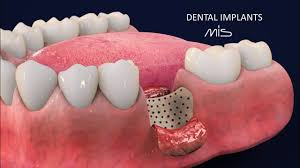
Dental implants should feel like a firm handshake, not a guess. You deserve that level of certainty. Today, implant dentists rely on advanced technology to plan and place each implant with careful accuracy. You might picture drills and molds. Instead, think of 3D scans, digital guides, and real time imaging that show every nerve, bone ridge, and gap. This lets your dentist choose the right spot, the right angle, and the right depth. It also lowers the risk of damage and pain. It can shorten your time in the chair. It can protect your jaw and your smile for many years. If you search for an Oral Surgeon for Basking Ridge NJ or any other town, you should know what tools and methods they use. This blog explains the key technologies and how they protect your comfort, safety, and results.
Why Precision Matters For Dental Implants
Implants replace tooth roots. They hold crowns, bridges, or dentures in place. When placement is exact, you gain three key benefits.
- Stronger bite and easier chewing
- Healthier bone and gum support
- Natural look that fits your face
Small mistakes can cause nerve injury, sinus problems, loose implants, or long healing. Exact planning and guided placement lower those risks. That is where modern tools help.
3D Imaging And CBCT Scans
Traditional X-rays show flat pictures. You see height and width. You do not see depth. Cone beam computed tomography, or CBCT, creates a 3D picture of your teeth, jaw, and joints. It shows bone thickness and the path of nerves and sinuses.
The American Dental Association explains dental imaging and radiation and supports careful use of 3D scans when they guide treatment decisions. With CBCT, your dentist can:
- Measure exact bone height and width at the implant site
- Map nerve canals to avoid numbness or tingling
- Check sinus spaces before upper jaw implants
- Plan grafts when bone is thin or missing
This planning happens before surgery. You can see the 3D images on a screen. You can ask clear questions about risk and options.
Digital Planning Software
After the scan, the dentist loads the 3D image into planning software. The software shows your jaw from different views. It lets the dentist place virtual implants on the screen first. That way, every detail is set before a drill touches bone.
With this software, your dentist can:
- Choose an implant size that fits your bone and bite
- Adjust angle to match your final crown or bridge
- Check distance from nerves, roots, and sinuses
- Plan for single implants or full mouth cases
The National Institutes of Health shares research that supports this method. A review on the U.S. National Library of Medicine site describes how computer-guided implant surgery improves accuracy and can reduce complications.
Surgical Guides And Templates
Once planning is done, the dentist often orders a custom surgical guide. This is a clear template that fits over your teeth or gums. It has sleeves that show the exact location, angle, and depth for each implant.
The guide is made with 3D printing based on your scan and plan. During surgery, the dentist uses the guide as a physical roadmap. This lowers guesswork and helps in three ways.
- More precise placement where bone is thin or close to nerves
- Smaller incisions and less swelling
- Shorter chair time and faster healing
Key Technology Comparison
| Tool | What It Does | How It Helps You |
|---|---|---|
| 2D X rays | Shows flat images of teeth and bone | Basic check for decay, infection, and rough bone levels |
| CBCT 3D scan | Creates 3D model of jaw, nerves, and sinuses | Guides safe implant position, size, and angle |
| Digital planning software | Lets dentist place virtual implants on your 3D scan | Improves accuracy and reduces surprises during surgery |
| Surgical guide | Custom template that directs the drill path | Helps protect nerves and sinuses and can shorten surgery |
| Intraoral scanner | Creates 3D image of teeth and gums without gooey molds | Makes crowns and guides that fit and feel more comfortable |
Real Time Imaging And Navigation
Some surgeons use navigation systems that act like a GPS for your mouth. A camera tracks the drill and shows its path on a screen in real time. The system compares every move to the digital plan.
This helps when the bone is thin or when nerves are close. It also helps in complex cases after trauma or long-term tooth loss. You gain another layer of safety and control.
Guided Surgery And Shorter Healing
When the plan is clear, surgery can be less invasive. Many guided cases use small punch incisions instead of wide flaps. That can mean:
- Less bleeding and swelling
- Less soreness after surgery
- Fewer stitches or none at all
Some patients return to work the next day. Others need more time, especially with grafts or many implants. The exact plan lets your dentist give you a more honest timeline.
What To Ask Your Implant Dentist
You have the right to know how your care team uses technology. Before you agree to implant surgery, ask three clear questions.
- Will you take a CBCT 3D scan before placement
- Do you use digital planning software and custom guides
- How will this technology reduce my risk and pain
Also ask about training and experience with these tools. Calm and clear answers are a sign of a careful surgeon.
Protecting Your Long Term Health
Technology does not replace skill. It strengthens it. When your dentist combines training, planning, and guided tools, your implant has a stronger chance to last. You protect your bite, your speech, and your confidence.
You deserve firm, steady care, not guesswork. With the right questions and the right team, advanced technology can help you reach that steady result.

