
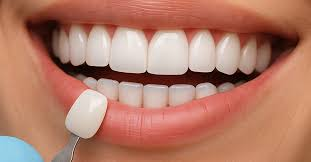
Veneers can change how your teeth look, but they work best when your bite and tooth position are under control first. Orthodontics lines up your teeth so that veneers fit better, look more natural, and last longer. Crooked or crowded teeth can stress veneers and cause cracks, chips, or gum problems. Straight teeth spread pressure evenly. That protects both the veneer and the tooth underneath. Orthodontics also helps your dentist remove less tooth structure. That keeps more of your own teeth strong and stable. In some cases, moving teeth first can even reduce how many veneers you need. If you have worn, broken, or painful teeth, or you need urgent help, Van Nuys emergency dental care can guide you toward safe choices. This blog explains four clear ways orthodontics supports veneers so you get a steady bite, a cleaner smile, and results that hold up under daily use.
Why alignment matters before veneers
Your teeth carry strong chewing forces. When teeth are twisted or tipped, those forces hit in the wrong spots. That strain can break natural teeth. It can also break veneers.
Orthodontic care uses gentle pressure to move teeth into better positions. You may use braces or clear aligners. When teeth line up, veneers sit on a steady base. That lowers the risk of:
- Chipping at the edges
- Cracks in the porcelain
- Sore jaw joints and muscles
The American Association of Orthodontists explains that a healthy bite spreads force across many teeth. You can read more about bite problems and alignment at https://www.aaoinfo.org/_/problems-to-watch-for-in-children/. The same idea applies when you plan veneers at any age. A steady bite keeps your investment safe.
1. Orthodontics protects tooth structure
Veneers need space. If teeth stick out or overlap, a dentist may need to remove more enamel to make room. That can raise the risk of sensitivity.
Orthodontics can move teeth into a better arc. Then the dentist can keep more enamel. Enamel is your natural shield. It does not grow back. Protecting it is a strong goal.
With straighter teeth, the veneer can be thinner. The dentist can often limit shaping to the front surface. That helps you keep:
- Stronger tooth walls
- More natural support for the veneer
- Lower risk of nerve irritation
Researchers note that bonding to sound enamel leads to stronger veneer bonding than bonding to inner tooth layers. You can review basic facts on tooth structure from the National Institute of Dental and Craniofacial Research. Orthodontics helps your dentist reach that stronger enamel.
2. Orthodontics improves veneer fit and look
Veneers work best when they follow a smooth curve. When teeth crowd or tilt, the dentist must work around uneven shapes. That can lead to thicker edges or dark corners between teeth.
Orthodontics can correct:
- Rotated teeth
- Teeth that lean inward or outward
- Uneven heights
Once teeth sit in a clean row, veneers can match in length, width, and color. Your smile looks even. It also looks more natural in photos and daily life. People see teeth that match your lips and gums, not dental work.
Orthodontic care before veneers can also improve how your upper and lower teeth meet when you speak. That can reduce small lisp sounds that sometimes show up when teeth or veneers are in the wrong spot.
3. Orthodontics supports gum health around veneers
Crowded teeth trap food and plaque. That mix irritates gums. It can cause swelling and bleeding. If you place veneers on teeth with poor gum health, you increase the risk of future gum loss.
Orthodontics opens tight spaces so you can clean between teeth. That supports strong gums before veneers go on. Healthy gums frame veneers and give a clean line. Red, swollen, or receding gums can draw painful attention to your smile.
Aligned teeth also reduce deep pockets where bacteria hide. That can lower the risk of gum disease that might otherwise spread around veneer edges and lead to:
- Loose teeth
- Exposed veneer margins
- Dark lines near the gum
Healthy gums hold veneers in a clean border. That protects both your health and your appearance.
4. Orthodontics increases comfort and longevity
A poor bite can overload some veneers. You may see small chips at the edges of front veneers where lower teeth hit too hard. You may also feel jaw pain or headaches from clenching.
Orthodontics can balance your bite. A balanced bite:
- Spreads chewing force across many teeth
- Reduces grinding on front veneers
- Lowers stress on jaw joints
With less stress, veneers often last longer. You may need fewer repairs and fewer emergency visits. That can save time, money, and emotional strain.
Comparison: veneers with and without orthodontics
| Factor | Veneers without orthodontics | Veneers after orthodontics |
|---|---|---|
| Amount of enamel removed | Often higher on crowded or rotated teeth | Often lower because teeth are in better positions |
| Fit and alignment | May look flat or bulky in some spots | More even shapes and curves |
| Gum health | Harder to clean between tight teeth | Easier brushing and flossing around veneers |
| Bite comfort | Higher risk of high spots and chipping | More even contact across teeth |
| Expected repairs | Repairs or replacements may occur sooner | Repairs may be less frequent |
| Number of veneers needed | May need more veneers to mask crowding | May need fewer veneers after teeth move |
Planning your care: questions to ask
You deserve clear answers before you start. You can ask your dental team:
- Can orthodontics reduce how much tooth you must remove
- Will moving teeth first change how many veneers you need
- How will this plan protect my gums and bite?
- What steps will you take if a veneer chips or comes loose
For some, a short round of aligners before veneers is enough. For others, a longer orthodontic plan may prevent large problems later. Every mouth is different. A careful exam, photos, and X-rays guide the timing.
Key takeaways for families
Orthodontics and veneers are not rivals. They support each other. Orthodontics lines up teeth. Veneers refine shape and color. Together, they can give a strong, calm smile that works well for eating and speaking.
When you think about veneers, you protect your health by asking about tooth position first. That choice can guard your enamel, your gums, and your budget over time.

