
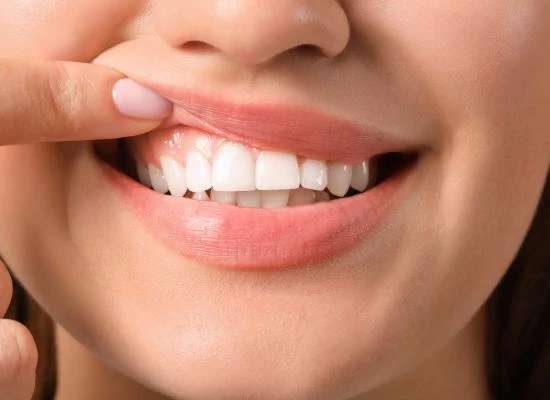
Your enamel protects your teeth from pain, decay, and costly treatment. Once it wears away, it does not grow back. You feel it when you sip hot coffee or cold water and get a sharp sting. You may think brushing is enough. It is not. Small daily habits either guard your enamel or grind it down. This blog shares 6 clear tips from general dentists that you can use today. You learn how to brush with less damage, choose safer snacks, and control grinding. You also learn how to use fluoride the right way and why regular checkups matter. A Downtown Toronto dental office uses these same steps with patients who want strong teeth for life. You gain control over what happens in your mouth. You protect your smile, your comfort, and your confidence every single day.
1. Brush gently with the right routine
Hard brushing scrapes enamel. Fast strokes with stiff bristles cut into the surface and expose the inner layer. You may not see the damage at first. You feel it later as sharp shocks and new cavities.
Use this simple routine.
- Use a soft-bristle toothbrush.
- Brush for two minutes, two times each day.
- Use small circles, not hard back and forth strokes.
Then wait 30 minutes after eating before you brush. Acid from food softens enamel for a short time. Brushing right away rubs that softened layer away. Waiting gives your saliva time to balance the acid.
These steps match what general dentists use in daily care.
2. Choose snacks that do not attack enamel
Food sits on your teeth and feeds bacteria. These bacteria make acid. Acid eats enamel. Sticky snacks keep acid on your teeth longer. Sugary drinks bathe your mouth in sugar with each sip.
Use three clear rules for snacks.
- Keep sweets small and rare.
- Drink water with snacks.
- Avoid sipping sweet drinks over long periods.
Better snack choices include plain yogurt, cheese, nuts, and crunchy vegetables. These can help your mouth make more saliva and wash acid away. They also give your body the building blocks it needs to keep teeth strong.
3. Use fluoride to harden enamel
Fluoride bonds with enamel. This bond makes the surface harder and more resistant to acid. You find fluoride in toothpaste, some mouth rinses, and many public water systems.
General dentists often see weaker enamel in people who skip fluoride. You can change that with small daily steps.
- Use a fluoride toothpaste twice each day.
- Spit out the foam, but do not rinse with water right away.
- Ask your dentist if you need a fluoride rinse or in-office treatment.
The National Institute of Dental and Craniofacial Research explains how fluoride strengthens enamel for both children and adults.
4. Protect teeth from grinding and clenching
Grinding and clenching wear enamel down like sandpaper. Many people grind while they sleep. Some clench during work, driving, or screen time. You may notice morning jaw pain, flat edges on teeth, or small chips.
You can start with three steps.
- Notice daytime clenching and rest your jaw with lips closed and teeth apart.
- Limit caffeine in the evening to calm your jaw muscles.
- Ask your dentist about a custom night guard if grinding continues.
A night guard fits over your teeth and absorbs the pressure. It protects enamel from constant wear and reduces the chance of cracks.
5. Control acid from reflux and dry mouth
Stomach acid that comes up into the mouth strips enamel. Dry mouth removes your natural shield. Saliva buffers acid, washes food away, and brings minerals to the tooth surface. When saliva is low, enamel loses this shield.
You can support your enamel even if you live with reflux or dry mouth.
- Rinse with plain water after reflux episodes.
- Use sugar-free gum or lozenges to trigger saliva.
- Limit alcohol and tobacco, which dry the mouth.
Then talk with your doctor about reflux treatment and your dentist about dry mouth products. These may include special rinses and gels that coat teeth and keep them moist.
6. Schedule regular cleanings and early checks
You cannot see all the enamel damage at home. Tiny cracks, early white spots, and worn edges show up first on dental exams. Cleanings remove hardened tartar that you cannot brush away. This lowers the acid load on enamel and makes home care more effective.
Set a firm schedule.
- Visit your general dentist every six months, or as advised.
- Bring a list of any sensitivity, pain, or grinding concerns.
- Ask for a simple summary of your enamel health at each visit.
Children, adults, and older adults all benefit from routine checks. Each stage of life brings new emotional risks. Tight braces, new medicines, and chronic health conditions all change your risk pattern. Regular visits catch these shifts early.
Simple comparison of enamel habits
| Habit | Effect on Enamel | Better Choice |
|---|---|---|
| Hard brushing with stiff bristles | Scrapes and thins enamel | Soft brush with gentle circles |
| Sipping soda through the day | Constant acid and sugar attack | Drink water and limit soda to mealtimes |
| Skipping fluoride toothpaste | Weaker surface and more decay | Use fluoride toothpaste twice a day |
| Ignoring grinding and clenching | Wear, chips, and cracks | Jaw rest, night guard, and stress control |
| Missing regular checkups | Late detection of enamel loss | Dental exam and cleaning every six months |
Take steady control over your enamel
Strong enamel does not come from one product. It comes from steady habits. You brush with care. You choose food that respects your teeth. You use fluoride in a smart way. You protect against grinding. You manage acid and dryness. You keep regular checkups.
These six steps work together. Each one protects the next. When you follow them, you reduce pain, lower treatment costs, and keep a steady, comfortable smile for many years.

