
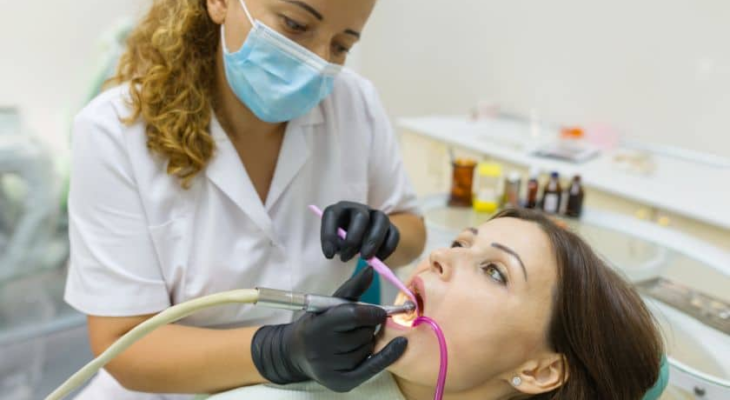
You might be feeling torn right now. You know you need dental care, maybe even implants, but the thought of sitting in that chair makes your chest tighten. Perhaps you had a rough experience as a child, or you have a strong gag reflex, or you are simply tired of white-knuckling your way through every appointment with a dentist in Green Bay, WI.
Because of this tension, you might wonder how you are ever supposed to get the care you need without feeling overwhelmed. That is where modern sedation in dentistry has quietly changed the story. Today, it is possible to have complex treatment, including implants, while feeling calm, safe, and often remembering very little of the process.
In simple terms, advances in dental sedation give you more control over your comfort, more options that can be tailored to your health and your anxiety level, and stronger safety systems than past generations ever had. You still stay protected by strict professional guidelines, yet you no longer have to “just tough it out.”
So where does that leave you as someone who is nervous, in pain, or facing a big treatment plan? It means you have choices, and those choices are worth understanding before you decide what is right for you.
Why does dental anxiety feel so overwhelming, and how is sedation changing that story?
For many people, it started with a single bad visit. A needle that hurt more than expected. A dentist who rushed. A long procedure where you felt every second. Your mind stores that, and your body remembers. So when you even think about calling a general and implant dentist, your heart rate jumps and your whole system says “avoid this.”
That avoidance has a cost. Small cavities become root canals. Loose teeth become extractions. Missing teeth affect how you eat, speak, and feel about your smile. You may start avoiding photos, social events, or certain foods. The problem is no longer just dental. It is emotional, social, and sometimes financial, because delayed care is usually more complex and more expensive.
Sedation in modern dentistry steps into that cycle and offers another path. Instead of pushing through fear, you can choose a level of calm that matches what you are facing. For a cleaning or a filling, this might be something as simple as nitrous oxide, often called laughing gas. For longer work, such as multiple extractions or implants, your dentist might recommend oral conscious sedation or IV sedation so you feel deeply relaxed and time passes quickly.
There is also a safety story here that matters. Sedation is not just “strong medicine.” It is a carefully regulated part of dental care. The American Dental Association has detailed guidance on anesthesia and sedation in dentistry, including who can provide it, what training they need, and how your breathing, heart rate, and response must be monitored throughout your appointment.
So the old picture of being “knocked out” in a vague and risky way is not how modern dental sedation works. Instead, you and your dentist choose a level of relaxation that fits your needs, your medical history, and the complexity of the work, then you are watched closely the entire time.
What are the real risks and benefits of modern dental sedation for implants and other care?
When you are already anxious, it is natural to worry that sedation might create new problems. You might think, “What if I do not wake up properly?” or “What if I say something embarrassing?” or “What if my health issues make sedation unsafe?” These are honest concerns, and they deserve clear answers.
The first reality is that sedation is not one single thing. It is a spectrum. On the lighter end, nitrous oxide wears off within minutes and you can usually drive yourself home. Oral sedation, such as a pill you take before the visit, keeps you conscious but very relaxed, often with fuzzy memory of the appointment. IV sedation is deeper, so you need an escort and closer monitoring, but it is still different from full general anesthesia in a hospital setting.
Each level has its own safety checks. The ADA has published detailed guidelines for sedation use in dentistry, including emergency preparedness, equipment, staffing, and training. Properly followed, these guidelines lower risk substantially. That is why it is important to ask your dentist about their sedation training and protocols. A good provider will answer without defensiveness, because safety is as important to them as comfort is to you.
On the benefit side, modern sedation dentistry changes what is realistic in a single visit. Instead of breaking treatment into four or five stressful sessions, many patients can have longer appointments where multiple procedures are completed at once. For implant patients, that might mean extractions, bone grafting, and implant placement in fewer visits. Less emotional buildup. Fewer days off work. Fewer chances to cancel because anxiety got the upper hand.
Studies on procedural sedation in medicine and dentistry, such as those summarized in this clinical review of procedural sedation, support what many patients describe. When sedation is done correctly, people report lower pain, lower anxiety, and higher satisfaction, without a large increase in serious complications for healthy patients.
So the question is not “Is sedation perfect and risk free.” It is “Given my health, my fear level, and the treatment I need, do the benefits outweigh the risks, and is my provider qualified to manage those risks well.”
How do different sedation options compare when you are trying to choose?
It can help to see your choices side by side. This is not a substitute for a personal consultation, but it can give you a clearer starting point when you talk with your general and implant dentist.
| Sedation option | Typical use | How you feel | Pros | Things to consider |
|---|---|---|---|---|
| Nitrous oxide (laughing gas) | Cleanings, fillings, minor procedures | Relaxed, less aware of noise and movement, fully awake | Works quickly. Wears off fast. Usually can drive home. | Mild effect for strong anxiety. Not ideal for very long procedures. |
| Oral conscious sedation (pill) | Moderate anxiety, longer visits, some implant work | Very calm, drowsy, often limited memory of the visit | Simple to take. Stronger relaxation. Often allows more work in one visit. | Need a driver. Effects last hours. Dose must match your health and weight. |
| IV sedation | High anxiety, complex surgery, multiple implants | Deeply relaxed, may sleep lightly, usually no memory | Strong control of anxiety. Dentist can adjust level during procedure. | Requires advanced training and monitoring. You need an escort and recovery time. |
For many people, the right choice is not about “strongest” sedation. It is about the smallest amount of support that allows you to get care without feeling traumatized. A gentle experience with nitrous and a kind team might be enough. For someone else with severe fear and a long implant surgery ahead, IV sedation with a well trained provider may be the only way treatment feels possible.
So how can you move from reading about these options to actually using them to protect your health and your peace of mind.
What can you do now to make sedation work safely in your favor?
1. Be completely honest about your fear and your health history
Many people underplay their anxiety because they feel embarrassed. You do not need to be brave in the chair. You need to be truthful before you sit in it. Tell your dentist if you have cancelled appointments from fear, if you feel panic at the sound of a drill, or if past numbing did not work well. This helps them choose the right level of sedation in modern dental care and plan enough time so you never feel rushed.
Share your full medical history, including sleep apnea, heart or lung problems, medications, and allergies. Sedation is safest when your provider understands your whole health picture and can coordinate with your physician if needed.
2. Ask direct questions about training, monitoring, and emergency plans
You are not being difficult when you ask how your comfort and safety will be protected. Try questions like:
“What types of sedation do you offer, and which do you recommend for my procedure and why.”
“What training and licenses do you have for this level of sedation.”
“Who will be monitoring me during treatment, and what equipment do you use.”
“How do you handle rare emergencies during sedation.”
A trustworthy practice will answer clearly. They may even reference standards such as the ADA sedation guidelines and explain how their protocols match those expectations. That kind of transparency can calm your mind before you even sit down.
read more : The Growing Importance Of CPAs In Nonprofit Organizations
3. Plan your day around your sedation visit, not the other way around
Once you and your dentist choose a sedation approach, give it the space it deserves. Arrange a driver if needed. Clear your schedule after the appointment so you can rest. Wear comfortable clothing. Follow instructions about food, drink, and medications before the visit, since these affect how sedation works in your body.
It can also help to plan something gentle and positive for after your appointment. A favorite show, a quiet evening, or time with someone who makes you feel safe. Your mind will start to connect dental care with a softer memory, not just fear.
Moving forward with more comfort and more control
You do not have to choose between living with dental pain and forcing yourself through care that feels unbearable. Advances in sedation have reshaped modern dentistry so that anxiety, complex treatment, and safety can all be addressed at the same time.
By understanding your options, asking clear questions, and working with a general and implant dentist who respects both your health and your fear, you can take the next step with more confidence. Your future appointments can feel calmer. Your treatment can be more efficient. Most importantly, you can move toward a healthier mouth without feeling like you have to fight your way through every visit.
You deserve care that protects your teeth and your peace of mind. When you are ready, reach out to a qualified provider, start an honest conversation about sedation, and give yourself permission to choose comfort as part of your treatment, not a luxury on the side.

