
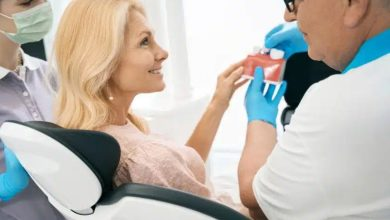
You might be noticing changes in your mouth that you never had to think about before. Maybe your dentures are rubbing a sore spot, your gums feel tender, or a tooth that has “been fine for years” suddenly aches when you drink something cold. You might be wondering if this is just part of getting older, or if there is something you can actually do to protect your smile. A cosmetic dentist in Fairfield, ME can help you explore options to keep your teeth comfortable, functional, and looking their best.end
That uncertainty can feel heavy. Teeth and gums are not only about appearance. They affect how you eat, speak, and even how comfortable you feel around other people. When something goes wrong, it can be frustrating, especially if you have already been to several appointments over the years and feel tired of starting over.
Here is the good news. Aging does not automatically mean losing your teeth or living with pain. With the right support from a general dentist for seniors, you can keep your mouth healthier, protect the teeth you have, and feel more confident about your smile. This comes down to three main areas. Preventing problems early, managing age related conditions, and adapting your care as your needs change.
Why Does Oral Health Feel So Different As You Age?
So where does that leave you when your mouth does not feel like it used to? Aging brings changes that are completely normal, but they can make dental care more complicated if no one explains what is happening.
For example, many older adults take several medications. These can dry out your mouth, which makes cavities more likely and can cause burning or soreness. According to the National Institute of Dental and Craniofacial Research, dry mouth, gum disease, and root decay are especially common in older adults. You can read more about these issues in their guide for older adults on common oral health concerns as you age.
On top of that, you may already have crowns, bridges, or dentures from earlier in life. When the rest of your mouth changes, those restorations might not fit or function as well as they used to. A small looseness in a denture, or a tiny gap around a crown, can slowly turn into soreness, infections, or broken teeth if no one is watching closely.
The emotional side matters too. You might feel embarrassed about missing teeth, or worried about the cost of more treatment. You might even avoid smiling in photos, or choose softer foods because chewing feels risky. Because of this tension, you might wonder if it is easier to just put off going to the dentist and “live with it.”
This is where a trusted general dental care for older adults approach makes the difference. Instead of reacting only when something breaks, your dentist can work with you to prevent problems and protect what you already have.
1. How Regular Checkups Help Seniors Prevent Bigger Problems
Regular visits to a general dentist may feel like “one more appointment,” yet they are often the simplest way to avoid emergency pain later. A dentist who understands the needs of seniors will not only check your teeth. They will look at your gums, any dentures or partials, your bite, and even signs of oral cancer.
Consider a common scenario. A small cavity starts near the root of a tooth where the gum has receded. You may not feel anything at first. During a checkup, your dentist spots the soft area, treats it while it is still small, and protects the tooth. Without that visit, the decay can spread until the tooth breaks or needs a root canal or extraction.
Regular dental care also supports your overall health. Infections in the mouth can affect blood sugar for people with diabetes, and gum disease has been linked with heart problems. Preventive visits give your dentist a chance to catch these connections early. For quick ideas on daily care between visits, you may find these oral health quick tips for older adults helpful.
2. How General Dentistry Manages Dry Mouth, Gum Disease, And Tooth Wear
As you age, your mouth can feel more sensitive and less forgiving. A general dentist can help you manage the most common age related problems in practical ways that fit your daily life.
Dry mouth is one of the biggest challenges. It can be caused by many common medications. Without enough saliva, food particles and bacteria stay on your teeth longer and cause decay. Your dentist can recommend saliva substitutes, fluoride rinses, or gels that reduce your risk of cavities and make your mouth more comfortable.
Gum disease is another frequent concern. It may show up as bleeding when you brush, bad breath, or teeth that feel a little loose. A general dentist can provide deeper cleanings, show you gentle techniques for brushing and flossing around sensitive areas, and monitor pockets around your teeth so they do not silently get worse.
Tooth wear and old fillings are also common in older adults. Biting forces change over time. Teeth with large fillings can crack. A general dentist can reinforce weakened teeth with crowns, smooth sharp edges, and adjust your bite so you can chew more comfortably. When needed, they can work with you on partial dentures, bridges, or implants in a way that respects your budget and your health conditions.
If you want to see how daily habits play a role, the Centers for Disease Control and Prevention offer practical oral health tips for adults of all ages. These ideas become even more important as you get older.
3. How A General Dentist Adapts Care To Your Changing Needs
As life changes, so do your priorities. You might move closer to family, start using a walker, or begin caring for a spouse. Getting to appointments can feel harder. A thoughtful general dentistry for seniors approach takes these realities into account.
Your dentist can space out visits in a way that still protects your health, for example every three to four months if you have gum problems, or every six months if your mouth is stable. They can also simplify your home routine. Instead of a long list of instructions, they might focus on two or three habits that give you the most benefit, such as fluoride toothpaste, cleaning between teeth with easy to hold tools, and rinsing after snacks.
Communication matters here. A good general dentist will listen to what you want. Maybe you care most about being able to chew comfortably. Maybe you want your front teeth to look nicer for family events. When your dentist understands your goals, they can suggest treatments that match your health, your budget, and your energy level, instead of pushing you toward plans that feel overwhelming.
Comparing “Wait And See” With Regular Senior Dental Care
You might be asking yourself whether it is really worth the time and money to see a general dentist regularly, especially if things do not feel too bad yet. The table below compares what often happens when you “wait and see” versus when you stay on a routine care schedule.
| Approach | Short Term Experience | Long Term Outcome | Typical Costs Over Time |
|---|---|---|---|
| “Wait and see” with no regular checkups | Fewer appointments at first. Problems may not be obvious until they are painful. | Higher chance of emergencies, extractions, and ill fitting dentures. More tooth loss and difficulty chewing. | Lower costs at first, but larger unexpected bills later for extractions, emergency visits, or major work. |
| Routine care with a general dentist | Planned visits a few times a year. Small issues treated early, often with less discomfort. | Better chance of keeping natural teeth, more stable dentures, and fewer surprises. | Steady, predictable costs for cleanings and minor repairs. Often avoids the highest emergency costs. |
3 Actions You Can Take Right Now To Protect Your Smile
1. Schedule a checkup focused on your current medications and health
Make a list of all medications and supplements you take, including doses. Bring this list to your next appointment and tell your general dentist about any dry mouth, burning, or sensitivity you feel. This helps them tailor your care, choose products that work with your medications, and watch for signs of side effects in your mouth.
2. Simplify your daily routine to the “big three” habits
You do not need a complicated routine. Focus on brushing twice a day with fluoride toothpaste, cleaning between your teeth once a day with floss, picks, or a small brush, and drinking water regularly to keep your mouth moist. If gripping a toothbrush is hard, ask your dentist about larger handles or electric brushes that are easier to hold.
3. Talk honestly with your dentist about comfort, function, and budget
Before any treatment, explain what matters most to you. Do you want to eat steak again, or are you more concerned about getting rid of a sore spot under your denture. Ask for options, including what happens if you do nothing, what the cost ranges are, and how long each choice should last. A good general dentist will respect your limits and help you choose a path that feels realistic.
Moving Forward With Confidence About Your Smile
Aging brings change, and your mouth is no exception, but it does not mean you have to give up on a comfortable, confident smile. With thoughtful support from a general dentist
You deserve to eat without worry, to speak without pain, and to smile without hesitation. The next step is simple. Reach out to a trusted general dentist, schedule a visit that focuses on your current stage of life, and start a conversation about what you want for your teeth and gums in the years ahead.

