
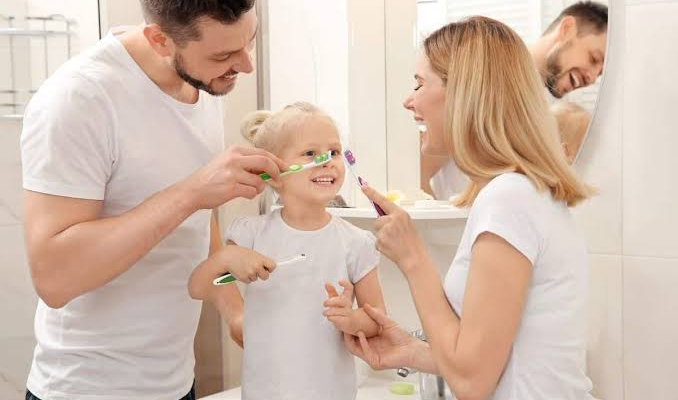
You might be feeling a bit worn out by dental care right now. Maybe you are juggling school schedules, your own work, insurance questions, and on top of that you are trying to figure out where your child should go for their next dental visit. One office for you, another for your child, an urgent care clinic when something breaks. With family dentistry in Harrisonburg VA, it doesn’t have to be that way. It can feel scattered and reactive, not calm or planned.end
Because of this, you might wonder if there is a steadier way to handle your family’s oral health. Something that feels less like putting out fires and more like having a trusted guide. That is exactly what a family “dental home” is meant to provide. In simple terms, it means choosing one family dentist who becomes your long term partner for routine care, prevention, and emergencies.
At a high level, establishing a dental home for your family does three big things. It gives your children a safe, familiar place to grow up with healthy habits. It reduces surprise problems and costs by focusing on prevention. It also offers a calm, coordinated response when something does go wrong, instead of a panicked search for the “closest dentist open now.”
So where does that leave you as a parent or caregiver who is already stretched thin? The next sections walk through the real challenges you are facing, why the current “as needed” approach is so stressful, and how a stable family dentist can quietly remove a lot of that pressure.
Why does family dental care feel so stressful right now?
Think about the last time a dental issue came up. Maybe your child chipped a tooth at recess, or woke up in the night with a toothache. You had to find a dentist who was open, accepted your insurance, and was willing to see a scared child they had never met. You were anxious, your child was anxious, and everyone was just hoping for the best.
That is the core problem. Without a regular family dental care home, every issue becomes urgent. You do not have a relationship with a dentist who already knows your family’s history, your child’s fears, and your insurance details. You are starting from zero every time. That lack of continuity makes even small problems feel big.
The emotional side of this is real. Children can pick up on your stress. If their first experiences at the dentist are rushed or emergency focused, they can quickly associate dental care with pain and fear. That fear can follow them into adulthood and lead to avoidance, which increases the risk of more serious dental problems later on.
There is also a financial strain. Irregular checkups, skipped cleanings, and waiting until something hurts often lead to more complex and expensive treatments. Research in pediatric dentistry shows that children who have an established dental home are more likely to receive preventive care and less likely to need emergency treatment. The American Academy of Pediatric Dentistry describes the dental home as an ongoing relationship that supports early, consistent care and lowers risk over time. You can read more about their definition of a dental home in the AAPD’s policy statement here.
So if the “only when it hurts” approach leads to more fear, more cost, and more disruption, what is the alternative?
How does a dental home change your family’s experience?
Establishing a regular family dentist shifts your family from crisis mode to a calmer, planned approach. Instead of scrambling when something goes wrong, you already know who to call, where to go, and what to expect. Over time, this relationship brings three key benefits.
1. Consistent, preventive care that starts early
With a stable dental home, your child is seen regularly from a young age. The AAPD recommends that children see a dentist by their first birthday and continue with ongoing care. Their clinical guidelines on the dental home highlight that early visits allow for risk assessments, preventive treatments, and guidance for parents. You can see those recommendations in more detail in the AAPD guideline document here.
In practical terms, this means small issues are caught early. Cavities can be treated before they cause pain. Habits like thumb sucking, nighttime bottles, or high sugar snacks can be addressed with simple, respectful coaching. Your child grows up seeing dental visits as normal and routine, not as something to fear.
2. A familiar team that knows your family
When you choose a single family dentist as your main provider, they get to know more than just your X rays. They learn your child’s personality, what helps them relax, and any medical conditions or medications that might affect treatment. They also understand your family’s schedule and budget concerns, which allows them to plan care in a way that fits your life.
This familiarity builds trust. Your child walks into an office where they recognize the front desk staff and hygienist. They know what the chair looks like, what the room smells like, and how the visit will go. That predictability lowers anxiety and makes cooperation easier, which leads to smoother, quicker appointments.
3. Better outcomes and fewer emergencies
When preventive care is steady, emergencies tend to decrease. Studies have found that children who receive regular preventive dental care are less likely to use emergency departments for dental problems. One research review published in the National Library of Medicine observed that having a dental home was linked with improved oral health outcomes and more appropriate use of dental services. You can explore that research summary here.
This does not mean emergencies never happen. Kids still fall, sports accidents still occur, and teeth still surprise us. The difference is that when something does happen, you are not alone. You already have a dentist who knows your child, understands their history, and can guide you through what to do next.
What are the tradeoffs of having a dental home compared to “as needed” care?
You might be weighing whether it is worth the effort to commit to a single practice. A simple comparison can help clarify the decision.
| Aspect | With a Dental Home | “As Needed” or Walk In Care |
|---|---|---|
| Appointments | Planned checkups, usually every 6 months, with reminders and follow up | Irregular visits, often only when pain or visible problems appear |
| Child’s Experience | Familiar faces and routines, lower anxiety over time | New office and staff each time, higher fear and uncertainty |
| Cost Over Time | More preventive care, fewer complex emergencies, more predictable costs | Higher risk of urgent, costly treatments due to delayed care |
| Parent Stress | Clear point of contact, easier decisions, support from a known team | Last minute searches, more time off work, more emotional strain |
| Care Quality | Continuity, long term tracking of growth, tailored advice | One time fixes, limited understanding of full history |
Looking at it this way, you can see that a dental home is less about “more appointments” and more about building a smoother, more predictable pattern of care.
What can you do now to create a dental home for your family?
Change does not have to be dramatic. A few focused steps can move you from scattered care to a stable dental home that supports your whole family.
1. Choose one family focused practice and commit for a year
Start by finding a dental office that welcomes both children and adults. Read their website, call with your questions, and pay attention to how the staff speaks with you. Do they sound rushed, or do they take a moment to listen. Once you find a practice that feels respectful and calm, decide that this will be your family’s primary dental home for at least the next year. That commitment gives enough time for trust and routine to form.
2. Schedule preventive visits before there is a problem
Book checkups for your children and yourself, even if no one is in pain. Share your family’s dental history, your child’s fears, and your financial concerns openly. A good family dentist will use that information to plan care that fits your reality. Ask them to explain your child’s risk for cavities or other issues, and to outline a simple home care plan. The goal is to get ahead of problems rather than chase them.
3. Create a simple “dental plan” for your family
Write down your dental home’s name, address, and phone number and keep it in a place you can reach quickly, such as your phone and on the fridge. Talk with your child about what will happen at visits in simple, calm language. For example, “The dentist will count your teeth and clean them. If anything feels weird, you can raise your hand and we will pause.” Decide in advance who will take time off work if a visit is needed. That little bit of planning reduces panic if something unexpected happens.
Steady support for your family’s smiles
You do not have to carry the weight of your family’s dental care alone. Establishing a family dental home gives you a trusted partner who understands your children, respects your time and budget, and works with you to prevent problems before they start. It replaces last minute searches and emergency visits with a calmer, more predictable rhythm of care.
With each routine visit, your child builds confidence, you gain peace of mind, and your family’s long term oral health becomes more secure. One simple decision to choose and stick with a family dentist can quietly change the way you experience dental care for years to come.

