
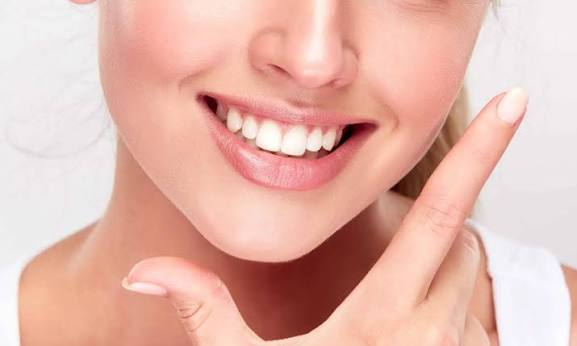
You might be looking in the mirror and noticing little things that did not bother you before. A chip in a front tooth. Stains that do not lift, no matter how carefully you brush. Gums that look a bit puffy in photos. You may not hate your smile, yet you also do not really love it. A visit to a Fairfield dentist could help. Because of this, you might feel caught between “It is not that bad” and “I wish I could change this.”
That is a tiring place to be. You want a healthy mouth, you want to feel confident when you laugh, and you do not want to spend a fortune fixing problems that might have been preventable. At the same time, you may not know which changes are possible with preventive care and which need cosmetic treatment, or how they work together.
Here is the simple truth. Many impressive smile changes do not come from extreme makeovers. They come from small, well-planned steps that combine good daily habits with targeted cosmetic treatments. You will see that in these five smile transformations, each built on preventive care first, then supported by cosmetic dentistry when needed.
So where does that leave you? It means that a healthier, more confident smile is usually closer than it feels right now, and it often starts with small decisions you can control today.
Why does your smile feel “off” and what is really going on?
Maybe you have noticed more plaque, bleeding when you floss, or a nagging worry about bad breath. On top of that, you see coffee stains in photos, or teeth that seem a little uneven. It can feel like everything is slipping at once. You might even feel embarrassed to bring it up with a dentist, especially if it has been a while since your last visit.
This is where tension builds. You want to fix things, yet you are worried about cost, pain, or being judged. You may also be unsure whether you “qualify” for cosmetic care, or if you should focus only on basic health. So you wait, and in that waiting, small problems quietly grow.
Here is the part that often gets missed. Most cosmetic concerns sit on top of oral health issues. Stains can be linked to plaque buildup. Chips and cracks can be tied to grinding. Gaps can sometimes relate to gum problems or shifting teeth. When preventive care is strong, cosmetic work lasts longer and looks better. When it is ignored, even beautiful cosmetic work can fail early.
So how do preventive habits and cosmetic dentistry actually work together to change a smile? These five “before and after” style transformations can help you picture it in a real way.
Five real-world smile transformations that combine prevention and cosmetic care
Think of these as stories many people could see themselves in. You might recognize your own situation in one of them.
1. From “constant cavities” to a bright, steady smile
Before. Someone in their 20s or 30s keeps getting small cavities, even though they brush. They feel frustrated and a bit ashamed. Teeth look slightly dull and patchy from old fillings and early enamel damage.
What changed. A reset on daily care came first. That meant learning proper brushing and flossing technique, switching to a fluoride toothpaste, and getting professional cleanings every six months. Guidance from trusted oral hygiene resources such as the National Institute of Dental and Craniofacial Research helped them understand the “why” behind those habits.
Then, once things were stable, the dentist replaced old, dark fillings with tooth colored ones and used gentle whitening to even out color. The result was not a “Hollywood” smile. It was a clean, natural, confident smile that did not keep breaking down.
Key lesson. Solid preventive care can reduce new cavities, protect your budget, and create a better base for cosmetic improvements.
2. From “I never smile in photos” to smooth, even front teeth
Before. A small chip or uneven edge on a front tooth can feel huge when it is your smile. You angle your face in photos or avoid wide smiles. You might assume fixing this means braces or major work.
What changed. First, the dentist checked for grinding or clenching and addressed that with a nightguard and stress management tips. This protected the teeth from more damage. Then, the cosmetic step came in. A tiny amount of tooth colored bonding reshaped the chipped area. In some cases, a thin porcelain veneer was used for a longer-lasting result.
Key lesson. A combination of protecting your teeth from wear and using subtle cosmetic bonding or veneers can turn a “problem tooth” into a tooth you forget to worry about.
3. From “coffee stains and closed lips” to a confident, natural white
Before. Years of coffee, tea, or red wine leave teeth looking yellow or brown near the edges. You might brush harder, try every whitening toothpaste, or buy random strips online. The result is often sensitive teeth and disappointment.
What changed. First, a cleaning removed surface stains and hardened plaque. That alone often brightens teeth more than people expect. The dentist then checked for issues like exposed roots or thin enamel. Once things were safe, a professional whitening plan started, either in office or with custom trays at home.
Guidance from a cosmetic care team, such as those described by the UCSF cosmetic dentistry program, shows how careful whitening can respect both health and appearance. The end result was not blinding white teeth. It was a believable, even shade that matched skin tone and age.
Key lesson. When stain removal is combined with well-planned whitening, you can safely reach a brighter smile without damaging your teeth.
4. From “gummy smile and sore gums” to balanced teeth and healthy tissue
Before. Maybe you notice your gums bleed when you floss, or your teeth look short and square in photos. Your mouth might feel puffy or tender. You worry about gum disease and also feel self-conscious about how much gum shows when you smile.
What changed. Preventive care came first. A thorough exam and cleaning. Sometimes deep cleaning to treat early gum disease. Then, consistent home care to calm inflammation. Once the gums were healthy and stable, a gentle reshaping procedure on the gumline around the front teeth created a more balanced look.
Key lesson. Healthy gums are the frame for your smile. Treating gum disease first, then considering small cosmetic gum adjustments, can completely change how your teeth look.
5. From “worn, crooked teeth” to a stable, aligned smile
Before. Over time, teeth can shift. Maybe you had braces years ago and never wore your retainer. You now see crowding, rotated teeth, and flat edges from grinding. You might think you need a full set of crowns, which feels overwhelming.
What changed. The first step was to stop active damage. That meant addressing grinding with a nightguard and checking for bite problems. The dentist then suggested either clear aligners or short-term orthodontics to straighten the teeth again. After alignment, selective bonding or a few carefully placed crowns restored length and shape where teeth were badly worn.
Key lesson. Straightening teeth first, then restoring worn areas, can protect your bite and give you a more comfortable, attractive smile for years.
How do preventive and cosmetic choices compare in real life?
When you are weighing options, it helps to see the tradeoffs side by side. You may be wondering if you should focus only on cleaning and maintenance, or if combining that with cosmetic care makes sense for you.
| Approach | What it focuses on | Typical examples | Short-term impact | Long-term impact |
|---|---|---|---|---|
| Strong preventive care only | Health and stability of teeth and gums | Brushing, flossing, fluoride, regular cleanings | Fewer cavities, fresher breath, cleaner feel | Lower treatment costs, reduced risk of tooth loss |
| Cosmetic care without good prevention | Appearance only | Whitening, veneers, bonding on untreated teeth | Fast visual change, early “wow” factor | Higher risk of failures, sensitivity, repeated repairs |
| Combined preventive and cosmetic plan | Health first, appearance built on top | Cleanings, gum care, then whitening, veneers, aligners | Steady improvements in comfort and confidence | More durable results, better return on cosmetic investment |
When you think of “5 smile transformations achieved through preventive and cosmetic care,” this combined approach is what makes those changes real and lasting. It is not about perfection. It is about building a smile that feels like you, just healthier and more confident.
What can you do right now to move toward your own smile transformation?
You do not need a full plan figured out before you start. A few focused steps can shift you from stuck to moving forward.
1. Strengthen your daily preventive routine
Focus on basics that actually work. Brush twice a day with a fluoride toothpaste for a full two minutes. Use a soft brush and gentle pressure. Floss once a day, even if it feels awkward at first. If traditional floss is tough, try floss picks or a water flosser. Limit sipping on sugary or acidic drinks throughout the day. Give your mouth breaks with plain water.
These habits are the foundation for any future cosmetic work. You cannot control everything, but you can control this.
2. Schedule a “no pressure” evaluation with a general and cosmetic dentist
You do not have to commit to treatment just to ask questions. A thoughtful general and cosmetic dentist can check your teeth and gums, listen to your concerns, and walk you through options from simplest to most involved. Ask about timing, cost ranges, and what can be done in stages. A good plan often starts with cleaning and small repairs, then moves to whitening, bonding, or other cosmetic steps when you are ready.
During this visit, share how you feel about your smile, not just what you see. “I never smile in photos” or “I worry my breath smells” are as important as “This tooth is chipped.”
3. Decide on one realistic cosmetic goal for the next year
You do not need to fix everything at once. Choose one clear goal that matters most to you. For example, “I want my front teeth to look even” or “I want less yellow when I smile.” Talk with your dentist about which treatment can support that goal with the best balance of cost, comfort, and durability.
This focused approach turns a vague wish into a practical plan. It also helps you see progress, which builds motivation to keep caring for your mouth day after day.
Moving forward with your own smile story
You might still feel a mix of hope and hesitation. That is normal. Change often starts with a small moment of honesty, like admitting, “I am not happy with my smile, and I am ready to understand my options.” From there, you can use preventive habits to protect your health, and targeted cosmetic care to address the things that bother you most.
Whether your goal is a simple color refresh, subtle reshaping, or a more complete smile makeover with cosmetic dentistry, your path does not need to be rushed or extreme. It just needs to be thoughtful and aligned with your life.
You deserve a smile that feels comfortable, healthy, and true to you. The first step is often just reaching out to a trusted dental professional and starting the conversation.

