
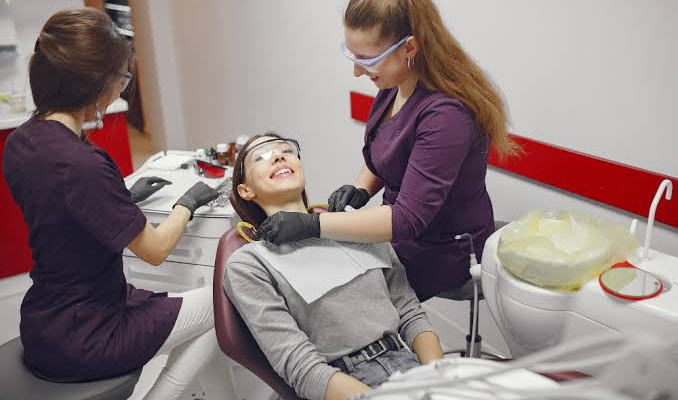
You might be reading this with a dull toothache that will not let you sleep, a child who just chipped a front tooth on the playground, or a sudden swelling that has you quietly wondering if you should be worried. It is that uncomfortable space where you know something is wrong, but you are not sure how serious it is or who to call. When you need urgent, compassionate care, family dentistry in LaGrange, GA can help you get answers and relief.
Before the pain started, dental care was probably just another thing on your to do list. Now everything feels urgent. You may be scrolling through search results, trying to figure out if you should go to the ER, find a random emergency dentist, or wait it out and hope it gets better on its own.
This is where a trusted family dentist changes the picture. When you already have a dental home that knows you and your family, emergency care becomes faster, calmer, and more accessible. You know exactly who to call, they know your history, and you are not starting from zero while you are scared or in pain.
In short, a good family dentistry relationship means fewer panicked decisions, fewer surprise bills, and a clearer plan when something goes wrong. You get a team that handles your routine care and is ready to step in when you need urgent help.
Why dental emergencies feel so overwhelming in the moment
To understand how family emergency dental care helps, it is worth naming what makes these situations so stressful in the first place. It is rarely just the tooth. There is usually a mix of pain, fear, money worries, and confusion about what to do next.
Think about a few common scenarios. Your child wakes up at 2 a.m. with a swollen cheek and a fever. You crack a tooth on a popcorn kernel the night before a big presentation. An older parent with health issues breaks a denture on a weekend. In each case, the problem is not only the dental injury. It is the timing, the uncertainty, and the fear of making the wrong call.
You might wonder if you are overreacting. You might worry about walking into an office you have never seen, filling out forms while you are in pain, or facing a treatment plan that you do not understand. You may also have past dental trauma that makes the idea of an urgent visit feel even heavier.
Because of this tension, many people wait. They take more painkillers, search home remedies, and hope the problem will fade. Yet conditions like tooth decay and infection rarely improve on their own. The National Institute of Dental and Craniofacial Research explains that untreated decay can progress to deeper infection and tooth loss, which often means more complex and expensive treatment later. You can read more about how decay progresses in their overview on tooth decay and cavities.
So, where does that leave you when something is already wrong and you feel stuck between doing too little and doing too much?
How a family dentist turns chaos into a clear plan
This is where having an ongoing relationship with a family dentist becomes less of a “nice to have” and more of a safety net. A family dental practice is built to care for children, adults, and older patients under one roof. That structure naturally makes urgent care more accessible.
First, you get a single point of contact. When something happens, you are not guessing who to call. You already have the number saved, and the team already has your records. They know your medications, your anxiety level, your child’s temperament, and your insurance. That familiarity means faster decisions and fewer repeated questions when you are already on edge.
Second, many family practices reserve time for same day or next day urgent visits. While every office is different, it is common for them to fit in existing patients with emergencies, even if it means adjusting the schedule. You are not just another name in a directory. You are their patient.
Third, a family dentist can often tell you over the phone whether something is a true emergency that cannot wait or an urgent issue that can be managed safely until the next available appointment. For example, they can help you decide when a chipped tooth is mostly cosmetic and when it could expose the nerve. They can also explain when severe swelling, difficulty breathing, or signs of a spreading infection mean you should go straight to a medical emergency room, which aligns with guidance from the American Dental Association on managing medical emergencies in dental settings.
Finally, family dentistry creates continuity. The dentist who sees your child for cleanings is the same person who repairs a broken tooth. The one who monitored a small cavity is the same one who treats it if it worsens. This continuity supports better judgment in emergencies, because they have seen the “before,” not just the crisis moment.
How family dentistry compares to “one off” emergency care
You might still be weighing your options and wondering if you really need an ongoing family dentist, or if you can just find help when something hurts. It can help to see the differences side by side.
| Question | With a Family Dentist | Without a Regular Dentist |
|---|---|---|
| Who do you call when something hurts? | Known office that already has your records and history. | Searching online or asking around while you are in pain. |
| How fast can you usually be seen? | Often same day or next day for existing patients with emergencies. | Depends on availability. You may need to call multiple offices. |
| How well does the dentist know your background? | Knows your medical conditions, medications, and past dental work. | Must rebuild your history from scratch under time pressure. |
| Cost predictability | More likely to have estimates based on your insurance and prior care. | Higher risk of surprise bills and out of network charges. |
| Care after the emergency | Planned follow up to finish treatment and prevent repeat issues. | You may not return to the same office, which breaks continuity. |
| Emotional stress level | Lower. Familiar team and setting during a scary event. | Higher. New environment and new faces at an already hard moment. |
When you look at it this way, you can see how accessible emergency dental care is often less about finding a special “emergency only” clinic and more about having a family practice that has already made room in its systems and schedule for the unexpected.
What should you look for in a family dentist who can handle emergencies?
If you do not already have a family dentist, you might feel pressure to choose one quickly, which can add more stress. It helps to focus on a few core things instead of trying to evaluate everything at once.
The American Dental Association offers clear guidance on how to choose a dentist who fits your needs. On top of that, if you are particularly concerned about emergencies, you might ask questions like:
- Do you reserve time in your schedule for urgent visits for existing patients
- What is the process if I have a problem after hours
- Are you comfortable treating both children and adults in emergency situations
- How do you handle patients with dental anxiety during urgent care
Those answers will tell you a lot about how the practice handles you on your worst day, not just during a routine cleaning.
Three practical steps you can take today
You do not need to wait for a crisis to make emergency dental care more accessible for you and your family. A few simple steps now can protect you later.
1. Choose a family dentist before you “need” one
Spend a little time identifying a family dental office that feels like a good fit. Check their hours, emergency policy, and whether they see patients of all ages. Read how they talk about anxiety, payment options, and urgent care on their website or by calling the front desk.
Once you choose, schedule routine visits. That way, if something urgent happens, you are already an established patient, and they can act faster and with more insight.
2. Ask clearly about their emergency protocols
During your first visit, talk openly about your concerns around emergencies. If you have young children, ask what to do if a baby tooth is knocked out versus a permanent one. If you have health conditions, ask how that affects emergency treatment.
Request their preferred after hours number. Save it in your phone under the practice name so you are not searching in a panic later. Knowing the process ahead of time often lowers anxiety, even if you never need to use it.
3. Build simple habits that reduce the risk of emergencies
Not every emergency is avoidable, but many are less likely if basic care is consistent. Regular cleanings and exams help catch decay early, before it becomes an abscess. Night guards can protect teeth if you grind them. Mouthguards can prevent sports injuries.
Ask your family dentist which habits matter most for you or your children. This is part of the quiet, ongoing work of a family dentist that often prevents those 2 a.m. emergencies from ever happening.
Moving from fear to preparation
Dental emergencies will always feel disruptive, but they do not have to feel chaotic and lonely. When you have a trusted family dentist, you gain a partner who understands your history, your worries, and your goals, and who is ready to step in when the unexpected happens.
You deserve care that makes you feel heard, not rushed. You deserve clear explanations, not jargon. Most of all, you deserve to know that when something goes wrong, you already have someone to call who will meet you where you are and guide you through the next step.
Taking the time now to find a family dentist and ask about their emergency care can turn a future crisis into a manageable, supported moment. You do not have to wait until the pain is unbearable before you choose that kind of support.

