
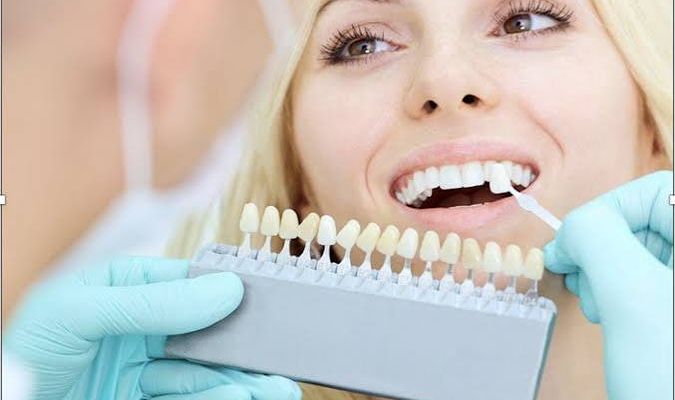
You might be feeling a mix of curiosity and pressure right now. Everywhere you look, someone is showing a brighter smile. Social feeds, video calls, and even office meetings seem to highlight teeth that are several shades whiter than your own. At Forest Dental Associates in Utica and Sterling Heights, you may be wondering if you are falling behind, or if there is something wrong with your teeth because they are “only” normal, not glowing white.end
At the same time, you probably do not want to be sold to. You want to understand what is really going on. Why has teeth whitening become such a big part of cosmetic dentistry trends? How safe is it? When it makes sense, and when it does not. In simple terms, whitening has gone from an occasional “treat” to a common entry point into cosmetic and even restorative care, and that shift affects both your expectations and your choices.
The short version is this. Modern whitening options are more accessible than ever, but they are not all equal in safety or results. Cosmetic dentistry has grown around that demand, offering everything from gentle supervised whitening to veneers and full smile makeovers. Once you understand how whitening fits into that bigger picture, it becomes much easier to decide what is right for you, instead of chasing whatever trend is popular this month.
Why whitening feels so urgent right now
Think about how often your face appears on a screen now. Video calls, online profiles, and quick photos that friends post without asking. Your smile is more public than it used to be, and that can create a quiet pressure. You notice every coffee stain, every shadow between teeth, even if no one else has mentioned it.
Because of that tension, you might wonder if whitening is the “fix” you have been missing. It seems simple. Whiten your teeth, feel more confident. The problem is that the story is rarely that simple. Whitening can brighten natural tooth structure, but it cannot repair cracks, replace missing tooth structure, or fix misalignment. If the underlying issues are ignored, you can spend money on whitening and still feel disappointed when your smile does not look like the filtered image in your head.
There is also the emotional side. Many people quietly carry shame about their teeth. Maybe you avoided the dentist for a while, or you grew up without regular dental care, or you have stains from medications or past trauma. Whitening can feel like a fresh start. When that hope is strong, it is easy to reach for quick over-the-counter strips or social media “hacks” without a clear plan, then feel even worse if the results are patchy or painful.
How whitening fits into modern cosmetic dentistry trends
So, where does that leave you? Whitening has become a kind of “gateway” into cosmetic and restorative dentistry. People often start with whitening, then notice old fillings, uneven edges, or chipped teeth, and begin to explore broader treatment with a general and restorative dentist.
A few patterns are shaping these trends.
First, there is more awareness and information. The American Dental Association has clear guidance on different whitening options and their safety, including supervised use of peroxide-based products. You can read more about that in this ADA overview of tooth whitening. This kind of information pushes cosmetic dentistry to offer safer, more predictable whitening rather than quick but harsh methods.
Second, research into whitening agents, especially hydrogen peroxide and carbamide peroxide, has grown. Studies have looked at how these materials interact with enamel and dentin and how they affect sensitivity. For example, you can see a scientific discussion of bleaching agents and enamel effects in this peer-reviewed article on tooth bleaching systems. This research has pushed many dentists to favor controlled, customized whitening plans instead of one-size-fits-all treatments.
Third, cosmetic dentistry is no longer just for celebrities. As whitening became more common, other cosmetic treatments followed. Patients who start with a safe smile brightening treatment sometimes move on to bonding to fix chips, crowns to restore worn teeth, or orthodontic treatment to straighten their bite. Whitening often becomes the first step in a broader “smile plan” rather than a standalone event.
All of this can be positive, but only if your general and restorative dentist keeps one thing clear. Whitening should never come at the expense of your oral health. Cavities, gum disease, and structural problems need to be addressed first. Otherwise, you might get a whiter smile that hides issues that are slowly getting worse underneath.
What are your real choices with whitening and cosmetic care
It helps to see the choices side by side. Many people compare over-the-counter whitening, professional whitening, and more advanced cosmetic treatments like veneers or bonding. Each option has a place, but each one carries tradeoffs.
| Option | What it is | Typical results | Main advantages | Main risks or limits |
|---|---|---|---|---|
| Over the counter whitening | Strips, pens, or generic trays from a store | 1 to 3 shades lighter, often uneven | Low cost, easy to start, no appointment | Higher risk of sensitivity or gum irritation, hard to control, may not work on deep stains |
| Professional whitening with a dentist | Custom trays or in-office whitening with supervised gels | 2 to 8 shades lighter, more even color | Customized strength and timing, safer for enamel, better for deeper stains | Higher cost, may need touch-ups, cannot change the color of existing fillings or crowns |
| Cosmetic bonding or veneers | Tooth colored material or porcelain covering the front of teeth | Whiter and reshaped teeth, very controlled look | Can fix chips, gaps, shape, and color all at once | Irreversible changes to teeth, higher cost, needs long-term maintenance |
Seeing these options together highlights something important. Whitening is not a magic eraser. It is a color adjustment on natural tooth structure. If your main concern is shade, professional whitening through a cosmetic dental whitening service often gives the safest, most predictable result. If you are also worried about shape, wear, or alignment, your dentist may suggest bonding, orthodontics, or veneers as part of a broader plan.
Three steps you can take right now without feeling overwhelmed
1. Get clear on what actually bothers you
Before you choose any treatment, take a quiet moment and look in the mirror with kind eyes. Ask yourself what truly bothers you. Is it the overall color? A few darker teeth. Visible old fillings. Chipped edges. Crowding. When you can name the specific issues, you give your general and restorative dentist something concrete to work with, instead of just saying “I want a better smile.”
It can help to write down your top three concerns and how long they have bothered you. This turns vague pressure into a simple list you can share at a visit.
2. Protect what you have before you whiten
Healthy teeth and gums respond better to whitening. If you have not had a checkup in a while, consider making that your first step, even if you feel tempted to start with whitening strips at home. Ask your dentist to check for cavities, gum inflammation, cracks, or worn enamel. These issues can make whitening painful or uneven.
Once your mouth is stable, your dentist can suggest a safe whitening plan. That might mean custom trays you use at home with a measured gel, or an in-office treatment followed by at-home touch-ups. This “health first” approach is what separates thoughtful cosmetic dentistry services from quick cosmetic fixes.
3. Set realistic expectations and a simple maintenance plan
Whitened teeth will pick up new stains over time from coffee, tea, red wine, smoking, or even certain mouth rinses. That does not mean whitening has failed. It just means your smile is part of your everyday life.
Ask your dentist what a realistic shade goal is for your natural teeth. You can also ask how often touch-up whitening would be safe for your specific situation. Some people only need a short touch-up once or twice a year. Others may need it less often. A simple plan for maintenance lowers the fear of “losing” your results and keeps you from overusing strong products on your own.
Moving forward with confidence, not pressure
Wanting a brighter smile does not make you shallow. It usually means you are ready to feel more at ease when you laugh, speak, or show up on camera. The connection between whitening and today’s cosmetic dentistry trends can feel loud and confusing, but it can also open doors to healthier, more confident choices when you understand it.
You do not have to decide everything at once. Start by getting clear on what bothers you, make sure your teeth and gums are healthy, then explore whitening and other options with a dentist who sees you as a whole person, not just a set of teeth to “upgrade.” With that kind of support, whitening becomes one thoughtful step in caring for yourself, not a race to match someone else’s smile.

