
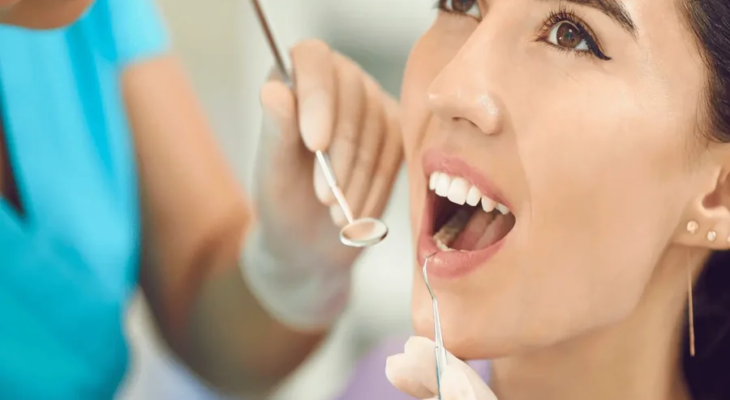
You might be feeling a mix of pride and worry right now. You invested in cosmetic dentistry in Springfield, your smile finally looks the way you always wanted, yet a quiet question keeps tapping you on the shoulder. How long will this actually last?end
Maybe you straightened your teeth, brightened your smile, or had bonding or veneers placed. At first you checked your reflection every chance you got. Over time, though, you may have noticed a tiny chip, a bit of staining, or some sensitivity and started wondering if something is already going wrong.
This is where preventive care steps in. When you understand how everyday habits and regular checkups protect cosmetic work, you can stop waiting for something to break and start feeling confident that you are doing what you can to keep your smile strong. In simple terms, cosmetic dentistry gives you the result you can see. Preventive dentistry is what helps you keep it.
Here is the short version. If you want your cosmetic work to last, you need healthy gums, strong tooth structure, gentle home care, and regular professional maintenance. That combination is what keeps your investment from slowly wearing down long before it should.
Why does a beautiful smile still feel fragile after treatment?
The stress usually starts once the excitement wears off. You might catch yourself thinking things like:
You spent real money on your new smile. You do not want to be back in the chair paying for repairs every few years. You worry that one wrong move with a toothbrush or one forgotten checkup will undo everything.
Because of this tension, you might wonder if cosmetic work is more delicate than natural teeth or if normal life will simply destroy it. The truth is more balanced. Modern materials are strong, and when they are bonded correctly they can last many years, but they live in the same mouth as your natural teeth. That means they face the same acid attacks, plaque, grinding, and daily wear.
This is where a more thoughtful approach to preventive dentistry for cosmetic work changes the story. Instead of fearing that your smile is a ticking clock, you can understand what damages it and what protects it.
Reason 1: Healthy gums are the foundation that keeps cosmetic work stable
Think of your gums as the soil holding the roots of a tree. If the soil washes away, it does not matter how strong the trunk is. The tree will lean and weaken. In the same way, if your gums become inflamed or start to recede, even the best veneers, crowns, or bonding lose support.
When plaque is not removed, it irritates the gums, which can lead to bleeding, swelling, and eventually gum disease. That disease does not just affect appearance. It changes the shape and position of the gum line, which can expose the edges of cosmetic work and make it easier for bacteria to slip in.
Consistent preventive care, including careful brushing and flossing at home and cleanings with your dentist or hygienist, keeps the gum tissue snug and stable. If you want to refresh your memory on home care techniques, the American Dental Association offers clear guidance on brushing, flossing, and daily oral hygiene.
Reason 2: Preventive care protects the teeth underneath your cosmetic work
Cosmetic treatments like veneers, bonding, and tooth-colored fillings rely on the health of the tooth underneath. If decay sneaks in around the edges, the surface might still look fine for a while, while the inside quietly breaks down.
Imagine a tooth with a beautiful white filling. If you skip regular checkups, a small cavity at the edge of that filling can grow unnoticed. By the time you feel pain, the tooth may need a crown or even a root canal. That means more cost, more chair time, and sometimes losing part of the cosmetic work you paid for.
Preventive visits allow your dentist to catch these early changes while they are still small repairs, not big problems. Modern tooth-colored materials are strong, but like anything in your mouth, they respond to stress, acidity, and time. The ADA explains the strengths and limits of these materials in its overview of materials used for tooth-colored restorations.
Reason 3: Small daily habits either protect or slowly wear down your cosmetic work
You may not think twice about chewing ice, sipping soda all afternoon, or brushing hard when you are tired. Over months and years, though, habits like these can stain, chip, or erode both natural teeth and cosmetic restorations.
Consider a few common examples.
If you grind your teeth at night, the pressure can flatten edges and cause tiny fractures in veneers or bonding. If you drink acidic drinks throughout the day, the constant acid bath can weaken enamel and the margins of restorations. If you brush with a hard-bristled brush, you can wear away gum tissue and expose the edges of crowns or veneers.
Preventive dentistry is not just about checkups. It is about learning which habits are gentle on your teeth and which ones slowly damage them. The Oral Health Foundation has helpful guidance on preventive care and daily oral hygiene that can extend the life of both natural teeth and cosmetic work.
Reason 4: Regular cleanings keep your smile bright and prevent costly repairs
Even with excellent brushing and flossing, there are areas you simply cannot reach perfectly. Plaque hardens into tartar, stains build up, and small problems start to form in quiet corners.
Professional cleanings lift away what you cannot remove at home. That means less staining on veneers and bonding, fewer rough edges that collect bacteria, and a better chance of catching cracks or wear before they turn into real damage.
Think of these visits as tune ups for your smile. They are usually shorter, simpler, and far more affordable than fixing broken or decayed teeth later. In this way, long term cosmetic dental protection often depends more on regular maintenance than on any one treatment.
How does preventive care compare to “wait and fix it” later?
You might wonder if it is really worth the effort. Is preventive care actually saving you time and money, or is it just another thing on your list? A side by side look can help make this clearer.
| Approach | Short Term Experience | Long Term Impact on Cosmetic Work | Typical Cost Over Time |
|---|---|---|---|
| Consistent preventive care | Small, regular visits. Daily home care becomes routine. | Gums stay healthy. Fewer chips, stains, and hidden cavities. Cosmetic work lasts closer to its full expected lifespan. | Predictable, lower ongoing costs. More spending on cleanings and less on major repairs. |
| “Wait until it hurts” approach | Fewer visits at first, but more pain and urgency when problems appear. | Higher risk of decay under veneers or fillings. More staining and fractures. Work may need to be replaced sooner. | Irregular, higher costs for emergency visits, crowns, root canals, or replacement cosmetic work. |
Three practical steps to protect your cosmetic dentistry starting today
1. Create a gentle, consistent home care routine
Use a soft bristled toothbrush and fluoride toothpaste twice a day. Floss once a day, and if your dentist recommends it, add an interdental brush or water flosser around bridges or tight spaces. The key is gentle consistency. Hard scrubbing does not clean better. It only wears away gum tissue and can roughen the edges of cosmetic materials.
2. Commit to regular checkups and cleanings
Schedule routine visits, usually every six months, or more often if your dentist advises. At these appointments, ask specifically how your veneers, bonding, or fillings are holding up. Early cracks, loose edges, or wear can often be smoothed or repaired before they become major failures. This is one of the simplest ways to protect any cosmetic dentistry treatment.
3. Tackle high risk habits one at a time
Notice which habits might be putting extra stress on your teeth. Grinding, nail biting, chewing ice, frequent snacking on sugary or acidic foods, and constant sipping of sweet drinks are common examples. You do not have to fix everything overnight. Start with one change, such as wearing a nightguard if you grind or swapping one daily soda for water. Each small shift reduces the daily strain on your teeth and cosmetic work.
Where does this leave you and your smile?
You worked hard, saved money, and went through treatment to feel comfortable with your smile. You deserve for that smile to last as long as reasonably possible. Cosmetic dentistry gives you a strong starting point. Thoughtful preventive dental care is what helps you hold on to it.
With steady home care, regular professional visits, and a few changes in daily habits, you can move from worrying about when something will go wrong to feeling prepared and in control. Your smile does not have to feel fragile. With the right support, it can simply become part of who you are, day after day, year after year.

