
You might be feeling pulled in two directions right now. On one hand, you want to care for your family’s teeth with products that actually work, whether at home or at your Kokomo dental office. On the other, you keep seeing plastic toothbrushes, empty toothpaste tubes, and single use floss picks fill the bathroom trash, and it does not sit right with you.end
Maybe your child has even asked, “Is all this plastic bad for the planet?” and you were not quite sure how to answer. You want to protect their smiles and their future at the same time, and that can feel like a lot to carry.
The good news is that you do not have to choose. With a few thoughtful changes, you can build a simple, effective, eco friendly oral care routine that keeps your family’s teeth healthy and cuts down on waste. This guide walks through five practical tips, what to watch out for, and how to make changes that your family can actually stick with.
Why does greener oral care feel so confusing right now?
You have probably noticed that almost everything in oral care is wrapped in plastic. Toothbrushes, toothpaste, floss, mouthwash, even the tiny seals on the caps. Once you see it, it is hard to unsee.
At the same time, you might hear mixed messages. One person says “Just use natural toothpaste.” Another says “Only fluoride works.” A blogger swears by homemade powders. A family dentist warns you to be careful. No wonder you feel stuck.
Because of this tension, you might wonder where to even begin. Do you swap everything at once. Do you wait for your dentist to approve every change. Or do you just give up and keep doing what you have always done.
Here is the heart of it. Your family needs two things at the same time. Strong protection against cavities and gum disease, and habits that respect the environment you are leaving to your children. You can have both, as long as you keep one guiding rule in mind. Do not sacrifice proven dental health just to reduce waste. The goal is smarter choices, not perfect ones.
What are the biggest challenges with eco friendly family oral care?
There are three main friction points most families run into.
1. Worry about “natural” products not working. You might see plastic free or vegan toothpaste that looks appealing, then you read the label and notice there is no fluoride. For children and adults at normal cavity risk, fluoride is one of the most trusted tools for prevention. The Centers for Disease Control and Prevention and the American Dental Association strongly support its use in home care and water supplies. If you skip it without a clear reason, you may see more cavities, more fillings, and more stress in the long run.
2. Cost and convenience. Refillable mouthwash, toothpaste tablets, or compostable floss can cost more up front than a bargain pack from a big box store. If you are on a budget or raising multiple kids, that matters. There is also the time cost. Maybe your children already fight you on brushing. The last thing you want is a complicated new system that adds more battles.
3. Confusing advice for children. Kids are still learning to spit, rinse, and handle products safely. You may feel torn between gentle, “clean” ingredients and the cavity protection they truly need. The CDC offers clear, practical guidance on oral health tips for children, including how much fluoride toothpaste to use by age. That can ease some of the fear around “doing it wrong.”
So where does that leave you. You do not need to overhaul everything. You can start with small, low risk changes that cut waste, keep fluoride in the picture for most family members, and feel realistic in a busy home.
How do greener options compare to traditional oral care at home?
It can help to see the tradeoffs side by side. This is not about right and wrong. It is about what fits your family’s needs and values.
| Product choice | Environmental impact | Dental effectiveness | Family practicality |
|---|---|---|---|
| Plastic toothbrush | High waste, plastic can last hundreds of years | Very good when bristles are soft and replaced every 3 months | Cheap, easy to find, many kid designs |
| Bamboo toothbrush | Lower waste, handle often compostable | Good, as long as bristles are soft and replaced on time | May cost more, can feel different in the mouth |
| Standard fluoride toothpaste in tube | Plastic tube usually not recyclable | Strong protection against cavities | Very familiar taste and texture, easy for kids |
| Fluoride toothpaste tablets or metal tube | Less or no plastic waste, often recyclable packaging | Strong protection if fluoride level is similar to regular paste | Some kids resist new texture, higher up front cost |
| Single use plastic floss picks | High plastic waste, especially for large families | Effective if used daily and correctly | Very convenient, easier for kids and caregivers |
| Refillable floss in glass or metal container | Much less plastic over time | Effective if the string is strong and used daily | Small learning curve, but most families adjust quickly |
Looking at this, you can see a pattern. Many greener choices work just as well for your teeth, as long as they still use proven ingredients and you use them consistently. The main shifts are in feel, routine, and cost. That is where planning and patience come in.
5 eco friendly oral care tips every family can try at home
Here are five practical changes that often give the best balance between dental health and sustainability.
1. Swap to softer, lower waste toothbrushes first
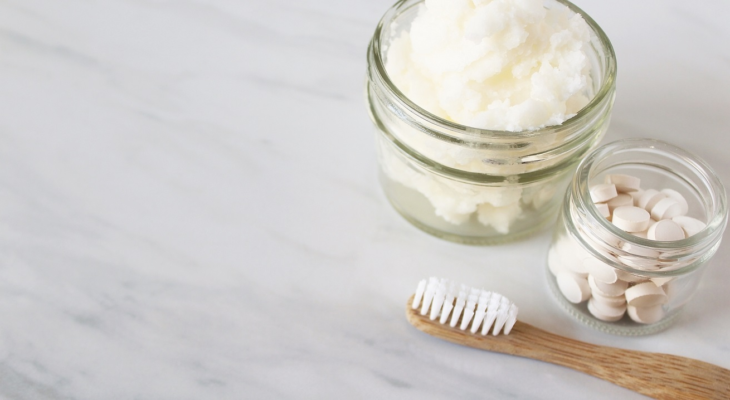
Toothbrushes are an easy starting point. Every person should have a soft bristled brush, replaced every three months or sooner if the bristles fray. Instead of stocking up on plastic handles, you can try bamboo or other biodegradable handles that you can trim and compost in many areas.
If your child is attached to a favorite cartoon toothbrush, you do not need to force a change overnight. You might start by switching the adults first. Children often follow what they see. When they are ready, involve them in choosing the color or style of their new brush so it feels like a privilege, not a punishment.
2. Keep fluoride, but rethink the packaging
Fluoride is one of the most researched tools in modern oral care. It helps strengthen enamel and can even reverse early decay. When you are trying to build a more green oral hygiene routine, it usually makes sense to keep fluoride and look at the container instead.
Some brands now offer fluoride toothpaste in recyclable metal tubes, refillable pumps, or tablets in glass jars. The tablets can be great for older kids and adults. You chew, brush with the foam, then spit as usual. For younger children who still swallow toothpaste, stick with a familiar, kid friendly paste that follows the CDC’s pea sized or rice sized guidelines for amount, and talk with your family dentist before changing.
For support on brushing technique and home care products, the American Dental Association provides helpful guidance on home oral care best practices. You can use that as a safety check before you try something new.
3. Replace single use floss picks with smarter options
Flossing is where many families struggle. Single use picks feel easier, especially for children or anyone with limited hand movement. The problem is that they create a lot of plastic for very short use.
You have a few paths here. You can switch to a refillable floss system in a glass or metal container. You buy one container once, then only replace the floss spools. Some brands use biodegradable materials, which can reduce waste even more. For kids or caregivers who need a handle, you can consider a reusable floss holder where you thread new floss each time. That cuts waste while keeping the ease of a handle.
If you are not ready to give up floss picks fully, you might reserve them for nights when you are very tired or traveling, and use string floss most days. Even small reductions in single use plastic add up in a busy household.
4. Use water wisely with every brushing session
One of the simplest ways to make oral care more sustainable costs nothing at all. Turn off the tap while brushing. A running faucet for two minutes, twice a day, for a whole family adds up to a surprising amount of water over a year.
You can show younger children how to wet their brush, turn off the water, count or sing while they brush, then turn it back on only to rinse. Turning it into a song or a game helps the habit stick. This change does not affect dental health, yet it teaches everyday respect for resources.
5. Focus on habits and food choices, not just products
The greenest oral care product is often the one you do not need. Fewer cavities mean fewer fillings, fewer emergency visits, and fewer materials used overall. That is where daily habits and diet matter.
Encourage water instead of sugary drinks between meals. Save sweets for limited times instead of constant snacking. Brush twice a day for two minutes, floss once a day, and see a family dentist regularly. These simple steps protect both teeth and the family budget. You may find that as your children grow up with these routines, they see eco conscious choices as normal, not as extra work.
Three practical steps you can take this week
Step 1: Choose one product to upgrade, not all of them
Pick the easiest win. Maybe it is bamboo toothbrushes for the adults, or a refillable floss container. Change that one thing, use it for a month, and notice how it feels. Once that feels normal, move to the next item. This avoids overwhelm and reduces the chance that your family slides back to old habits.
Step 2: Talk with your dentist before removing fluoride
If you are considering a non fluoride toothpaste for yourself or your child, schedule a quick check in with your dentist or hygienist. Ask about your cavity risk, your child’s history, and whether a lower waste fluoride option might be safer. You deserve clear, specific guidance, not guesswork.
Step 3: Make it a family project, not a solo burden
Bring your partner and children into the conversation. Ask which eco friendly changes they are curious about. Let kids help choose colors, flavors, or storage jars. When everyone feels some ownership, you are more likely to see consistency. You carry enough already. You do not need to shoulder every decision alone.
Moving toward a greener smile, one small step at a time
You care about your children’s health. You care about the planet they will inherit. It is natural to feel pressure to get everything right. Yet meaningful change usually happens through simple shifts, repeated over time, not overnight perfection.
By choosing softer, lower waste brushes, keeping fluoride in the picture with smarter packaging, cutting back on single use floss picks, saving water, and building strong daily habits, you create a home routine that protects both teeth and the environment. Your family does not need to be perfect to make a real difference.
If you feel unsure about which options are safe for your specific situation, reach out to a trusted dental professional and ask how an eco conscious oral care routine can fit with your existing treatment plan. You deserve a clear path forward, and your family’s smiles are worth that care.

