
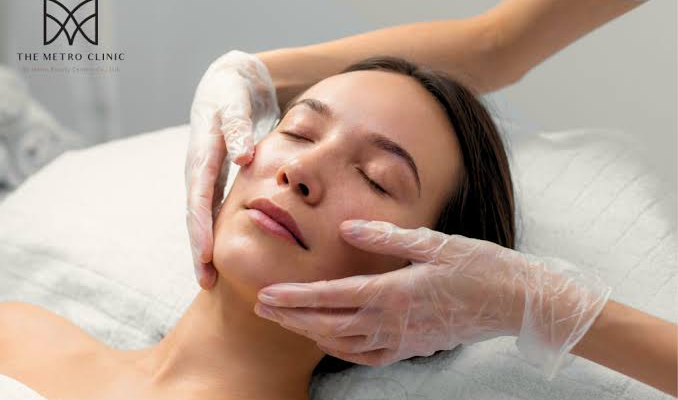
You might be feeling a little defeated every time you catch your reflection. The brown or gray patches that seemed to appear out of nowhere are now the first thing you see in photos, in the mirror, under harsh bathroom lights. Maybe you have already tried a few creams from the drugstore, maybe a “miracle” serum from social media, and instead of fading, your melasma looks the same or even a bit worse. At our medical spa in Ulster County, New York, we understand how frustrating and discouraging this can feel.
It is frustrating. It can feel unfair. Your skin is on display every day, and when something changes so visibly, it can affect how you show up at work, in relationships, even in simple errands. Because of this strain, you might be wondering whether a medical spa could finally offer a safer, more structured way to treat melasma.
Here is the short version of what you need to know. Melasma is common and stubborn. It often needs professional support. Safe treatment in a med spa should center on gentle, staged protocols, careful screening, sun protection, and realistic expectations. Rushing into aggressive lasers or harsh bleaching creams can trigger more pigment and more heartache. With the right approach, you can usually see meaningful improvement, but “cure” is not the goal. Control and confidence are.
Why does melasma feel so hard to treat, and what is actually going on?
Melasma is a chronic skin condition where pigment-producing cells become overactive. It often shows up as brown or grayish patches on the cheeks, forehead, upper lip, or chin. According to MedlinePlus, it is especially common in women and often linked to hormones, pregnancy, birth control, or sun exposure.
On paper, that sounds simple. In real life, it is more complicated. You might notice that it darkens after a beach trip, a walk at lunch, or even after a session with a hot styling tool near your face. Sometimes a new medication, a change in birth control, or even a stressful season can make it flare. So you start chasing products and treatments, hoping that something “stronger” will finally erase it.
The problem is that melasma does not respond well to force. Aggressive peels, at-home acids layered on top of each other, or the wrong type of laser can shock the skin. This irritation can signal your pigment cells to work even harder. The result is more discoloration in the exact areas you were trying to brighten. That is why safe med spa melasma protocols matter so much. The goal is to calm, not punish, your skin.
What can go wrong if melasma is treated unsafely?
Imagine this common scenario. You are tired of the patches on your cheeks, so you buy a strong “whitening” cream online. It stings a bit, but you think that means it is working. After a few weeks, your skin looks lighter in some spots, but you also see streaks, redness, and new darker areas. You feel even more self conscious than before.
Many over the counter skin lightening products are poorly regulated. Some contain steroids or mercury. Others contain high concentrations of hydroquinone, which can cause long term damage if used incorrectly. The FDA has issued warnings about potentially harmful OTC skin lightening products for exactly this reason.
In a med spa, the risks are different but just as real. Intense pulsed light (IPL) or certain lasers, when used on the wrong skin type or at the wrong settings, can trigger post inflammatory hyperpigmentation. That means darker patches that can linger for months. Strong chemical peels without proper prep can do the same. Unsafe protocols turn a treatable concern into a cycle of damage and repair.
Because of this, the safest professional melasma treatment is usually slower and more thoughtful than people expect. It favors lower intensity, repeated treatments and strong daily home care instead of one big “fix.”
What does a safe medical spa protocol for melasma usually include?
Safe medical spa melasma treatment is built on four pillars. Careful assessment. Gentle but consistent skin renewal. Pigment control. Relentless sun protection.
At your first visit, you should expect a detailed consultation. A qualified provider will ask about hormones, pregnancies, birth control, medications, family history, and how long the discoloration has been present. They will examine your skin type, your natural color, and the pattern of the patches. Melasma behaves differently in deeper skin tones, so this part must not be rushed.
Next comes a plan. Common safe tools include mild chemical peels, prescription strength topical creams, and sometimes oral medications such as tranexamic acid. Many of these approaches are discussed in clinical reviews on melasma management. A good med spa will not simply suggest the “strongest” peel or the “latest” laser. They will match the treatment to your skin’s sensitivity and your ability to follow a daily routine.
For example, a gentle series of superficial peels paired with a brightening cream and daily SPF 30 or higher can give more stable results than a single deep peel. For darker skin tones, non ablative devices or avoiding energy devices altogether may be safest. The protocol should also address heat exposure, skincare products you already use, and any makeup that might irritate your skin.
How do professional treatments compare to DIY options for melasma?
When you are tired of looking at melasma every day, it is tempting to handle it alone. Yet there are meaningful differences between home care and med spa treatment. Understanding them can help you choose what feels right and safe for you.
| Approach | What it involves | Potential benefits | Main risks or limits | Best for |
|---|---|---|---|---|
| DIY at home products | Drugstore or online creams, acids, masks, sunscreen | Low cost, easy access, can support mild cases | Unknown ingredients, over exfoliation, worsened pigment, slow or uneven results | Very mild discoloration, people who are cautious and patient |
| Guided home routine from a med spa | Customized cleanser, gentle exfoliant, pigment control cream, strict SPF | Safer ingredient choices, monitored progress, adjusted as needed | Requires daily commitment, results are gradual, cost higher than basic OTC | Most melasma patients, especially before any in office treatment |
| In office peels and topicals | Series of mild to moderate chemical peels plus prescription creams | Faster and more visible improvement, controlled irritation, professional oversight | Temporary redness or peeling, risk of darkening if aftercare is poor | Moderate melasma, patients who can attend repeat visits |
| Energy devices (laser, IPL, others) | Targeted light or heat based treatments in a medical setting | Can help select patients when used carefully and combined with topicals | Higher risk of rebound pigment, especially in darker skin, costlier | Very carefully chosen cases under experienced supervision |
So where does that leave you. In most cases, the safest path is a blend. Thoughtful professional guidance, a steady home routine, and only then, if needed, carefully chosen in office procedures.
What practical steps can you take now to treat melasma more safely?
1. Commit to strict sun and heat protection starting today
Every safe melasma plan starts with light and heat control. Use a broad spectrum sunscreen SPF 30 or higher every single morning. Reapply every two hours if you are outside. Add a wide brim hat, sunglasses, and shade when you can. Try to avoid long, direct midday sun and limit activities that expose your face to strong heat, such as saunas or very hot yoga. Even the best medical treatments will struggle if your skin is constantly triggered by UV and heat.
2. Get a proper diagnosis before you chase stronger treatments
If you have not seen a professional yet, schedule a consultation with a board certified dermatologist or an experienced medical provider in a med spa setting. Bring a list of all products and supplements you use. Mention any pregnancies, hormone therapies, or changes in medication. Ask directly whether your discoloration is melasma, post inflammatory hyperpigmentation, or something else. Different causes respond to different treatments, so this clarity matters.
3. Build a gentle, consistent routine and question anything “extreme”
Ask your provider to help you create a simple routine you can actually follow. This usually includes a mild cleanser, a non irritating antioxidant or pigment control serum, a moisturizer suited to your skin type, and daily sunscreen. If someone pushes very aggressive peels, frequent strong lasers, or unregulated bleaching creams as the “only way,” pause and seek a second opinion. Safe med spa skin treatments aim to calm inflammation, respect your skin barrier, and work with your life, not against it.
Finding a safer path forward with melasma
Melasma can make you feel like you are fighting your own skin. That feeling is real, and it can be exhausting. Still, you are not stuck. With careful protocols, realistic expectations, and a focus on safety, many people see their patches soften, their tone even out, and their confidence return.
You do not have to chase every new gadget or cream. You do not have to accept harmful lightening products or painful treatments as the price of clearer skin. You can choose a slower, steadier approach that protects your health and your peace of mind. When you are ready, reach out to a trusted medical provider or med spa, ask the hard questions, and insist on a plan that feels safe, thoughtful, and respectful of your skin.

