
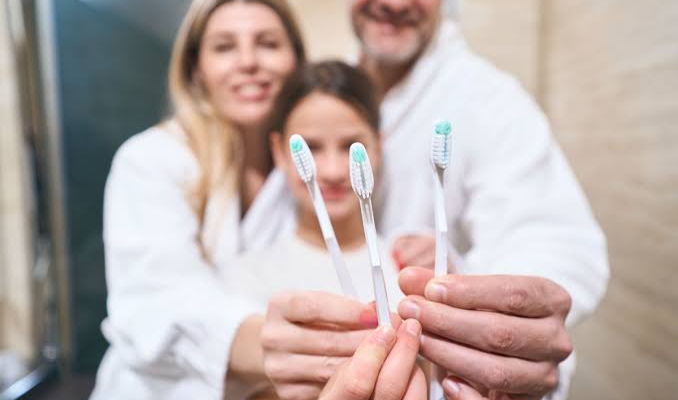
You brush, you remind the kids, you try to keep snacks from turning into an all day habit, and still, it can feel like oral health slips a little between appointments. That feeling is common. Life gets busy, routines get rushed, and small dental habits are often the first things to lose consistency. If you have ever wondered whether what happens at home really changes what your family dentist sees at the next visit, the short answer is yes, it does, and that is something any dentist in Abilene, TX would likely confirm.
The good news is that better oral health does not usually come from dramatic changes. It often comes from a few steady habits that protect teeth and gums day after day. When you focus on brushing well, using fluoride wisely, and being more aware of food and drink patterns, you give your family a stronger foundation between cleanings and exams.
Why Do Small Daily Habits Matter So Much Between Dental Checkups?
It is easy to think of dental care as something that happens twice a year, especially when family schedules are packed. But plaque does not wait for the next appointment, and neither does gum irritation. A skipped bedtime brushing here, a steady stream of sugary drinks there, and a mouth that feels fine today can slowly move toward cavities or tender gums before anyone notices.
Because of this, many families end up in a frustrating cycle. Everything seems normal, then a checkup brings news of early decay, inflamed gums, or spots that need closer attention. That can feel discouraging, especially when you thought you were doing enough. So, where does that leave you?
It helps to think of home care as the bridge between professional visits. A family dentist can clean away hardened buildup and catch problems early, but daily habits are what lower the chance of those problems growing in the first place. According to the National Institute of Dental and Craniofacial Research, good oral hygiene habits remain one of the clearest ways to prevent tooth decay and gum disease.
What Are the 3 Habits That Strengthen Oral Health Between Family Dental Visits?
1. Brush and clean between teeth with real consistency.
This sounds basic, but the gap between brushing often and brushing well is wider than most people think. Brushing twice a day for two minutes and cleaning between teeth once a day helps remove plaque before it hardens. For children, that may mean hands on help longer than expected. For adults, it may mean being honest about how often flossing gets skipped when the day runs late.
What if your child brushes quickly and says they are done in twenty seconds? What if you are brushing regularly but missing the gumline? Those small misses add up. A stronger routine is not about perfection. It is about making the habit automatic enough that it survives busy mornings and tired nights.
2. Use fluoride as part of your routine, not as an afterthought.
Fluoride helps strengthen enamel and makes teeth more resistant to decay. That matters for children, teens with braces, adults with dry mouth, and older family members whose gums may be receding. If you are unsure how fluoride fits into your family’s care, the NIDCR explains how fluoride protects teeth in a clear and practical way.
For many households, this starts with fluoride toothpaste. In some cases, your dentist may also suggest a rinse or other support. The point is not to overcomplicate it. The point is to make sure your oral health habits between dental visits include real enamel protection, especially if anyone in the family is cavity prone.
3. Pay attention to how often your family eats and drinks, not just what they choose.
Most people think only candy causes cavities, but frequency matters just as much. Sipping juice, soda, sports drinks, or sweet coffee over long stretches keeps teeth under repeated acid attack. Even constant snacking can give the mouth very little time to recover.
This does not mean every treat is a problem. It means patterns matter. Water between meals, fewer sugary drinks, and keeping snacks to set times can lower risk in a way that feels manageable. The CDC shares practical oral health tips for adults, many of which also support a healthier home routine for the whole family.
How Do These Habits Compare to a More Casual Routine?
If you are trying to decide what changes will give you the most return, it helps to see the difference side by side. The table below shows how simple habits can shape what happens between appointments.
| Habit Area | Casual Routine | Stronger Routine | Likely Result |
|---|---|---|---|
| Brushing | Once a day or rushed brushing | Twice daily for two minutes | Less plaque buildup and lower cavity risk |
| Between Teeth Cleaning | Only before appointments | Daily flossing or interdental cleaning | Healthier gums and less bleeding |
| Fluoride Use | Inconsistent toothpaste use | Regular fluoride toothpaste and added support if advised | Stronger enamel and better decay resistance |
| Snacking and Drinks | Frequent sipping and grazing | Water between meals and fewer sugary exposures | Less acid exposure and fewer problem spots |
None of these steps are expensive or extreme, which is part of why they matter. They help reduce the chance that the next family dental visits turn into a conversation about fillings, gum irritation, or preventable treatment.
What Can You Start Doing Today to Support Better Family Oral Care?
Build one fixed morning and bedtime routine.
Pick the same order every day. Brush, clean between teeth, rinse if needed, then done. For children, use a timer or song. For adults, keep floss where you will actually see it. The easier the routine feels, the more likely it sticks.
Make water the default drink between meals.
If your family is used to sipping sweet drinks all day, changing that one pattern can help more than you might expect. Save sugary drinks for limited times instead of stretching them across hours.
Do a quick monthly check at home.
Look for bleeding gums, white spots on teeth, sensitivity, bad breath that does not improve, or complaints about pain. These signs do not always mean something serious, but they do mean it may be time to check in with a dentist sooner rather than later.
Where Does That Leave You Now?
If oral care has felt harder to stay on top of than it should, you are not alone. Most families do not need a perfect routine. They need a realistic one they can repeat. Steady brushing and flossing, regular fluoride use, and smarter eating and drinking habits can do a great deal to protect smiles between visits.
When you keep those habits going at home, every checkup has a better chance of being simpler, calmer, and less costly. If it has been a while since your last appointment, now is a good time to schedule a visit with a family dentist and build on the progress you are making at home.

