
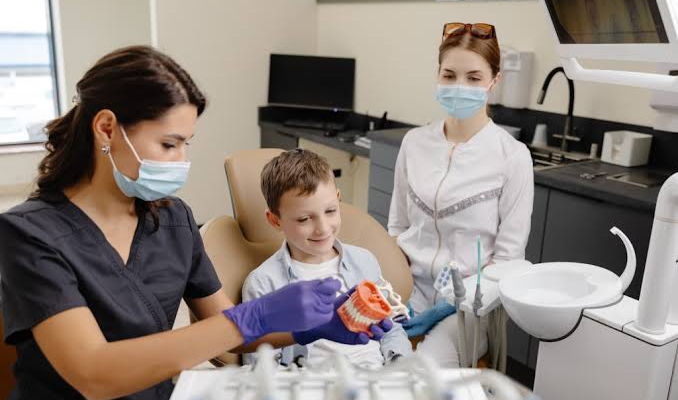
You might be trying to line up one cleaning for your child, a whitening visit for yourself, and a consultation for a partner who has been putting off a chipped tooth for months with a dentist in Glen Ridge, NJ. What sounds simple on paper can turn into a string of calls, calendars, insurance questions, and competing needs. That is often where the stress begins. You want everyone in your home to feel confident about their smiles, but you also need the process to feel manageable.
When a practice offers both family and cosmetic care, that pressure often eases. A family and cosmetic dentist can coordinate preventive visits, age appropriate treatment, and appearance focused procedures in a way that keeps the household on one plan instead of several disconnected ones. In plain terms, that means fewer surprises, clearer timing, and a better sense of how one person’s treatment affects the rest of the family schedule and budget.
Why does coordinated cosmetic dental care matter for a busy household?
Most families are not dealing with just one dental concern at a time. One child may need sealants and cavity monitoring, a teenager may ask about straightening or whitening, and an adult may want bonding, veneers, or tooth colored repairs. Because of this mix, it is easy to treat cosmetic care as separate from regular oral health. But that split can create problems.
For example, if a parent wants whitening before a wedding but has untreated decay, the cosmetic plan may need to wait. According to the National Institute of Dental and Craniofacial Research, dental caries remain one of the most common oral health concerns. That matters because healthy teeth and gums often come first, even when the goal is cosmetic improvement.
So, where does that leave you? It means a coordinated office can look at the full picture. Instead of booking cosmetic services in isolation, the dentist can map out who needs preventive treatment first, who can move ahead now, and how to group visits to reduce repeat trips. That is the practical value of cosmetic dental care for families. It supports appearance goals without losing sight of long term oral health.
What challenges come up when several family members want smile improvements at once?
The first challenge is timing. Cosmetic treatments often work best when routine care is current. If one family member needs a filling, another needs gum care, and someone else wants whitening before photos, the order matters. A family focused dental team can help decide what should happen first and what can safely wait.
The second challenge is money. Even when treatments are worthwhile, households often need to spread out care. That can feel discouraging, especially when one person’s needs seem more urgent than another’s. A coordinated plan helps you compare immediate needs with elective goals, so you can make choices without feeling rushed.
The third challenge is emotional. Children may feel nervous about any dental visit. Teens may be sensitive about appearance. Adults may carry years of delay or embarrassment. A family dentist who also handles cosmetic work understands that smile care is not only clinical. It can affect confidence, school photos, work meetings, and social comfort at every age.
That broader view fits what national oral health research has shown. The National Institute of Dental and Craniofacial Research outlines in Oral Health in America that oral health is closely tied to quality of life, function, and well being. In a household setting, that connection becomes even clearer.
How does a family dentist organize treatment without making it feel overwhelming?
Usually, it starts with a shared baseline. The dentist reviews each person’s oral health, notes any untreated issues, and talks through cosmetic goals in realistic terms. That step matters because the best looking result is often built on steady preventive care. The National Institute on Aging also offers helpful guidance on taking care of your teeth and mouth, which reinforces the value of daily care and regular visits across the lifespan.
From there, the office can build a household plan. One parent might schedule whitening after a cleaning. A teen might need a consultation about safe cosmetic options. A younger child may only need routine care and observation. Another adult may want bonding for a cracked front tooth. When all of that lives in one coordinated system, the appointments, records, and treatment priorities are easier to manage.
Which approach helps most when balancing health, cost, and appearance?
| Household Need | Uncoordinated Approach | Coordinated Family Cosmetic Approach |
|---|---|---|
| Routine cleanings and exams | Booked separately at different times, easy to miss follow ups | Grouped visits when possible, easier recall scheduling for everyone |
| Cosmetic goals like whitening or bonding | Started without checking for decay or gum issues | Sequenced after needed restorative or preventive care |
| Budget planning | Costs appear one case at a time, which can feel random | Clear household treatment timeline with urgent and elective phases |
| Child and teen care | Cosmetic questions handled inconsistently | Age appropriate guidance tied to growth, hygiene, and confidence |
| Communication | Multiple offices, repeated paperwork, mixed advice | One team tracking family history, goals, and progress |
This is where household cosmetic dentistry coordination becomes useful, not because every family needs major treatment, but because even small services are easier when someone is looking at the whole picture.
What can you do right now to make family cosmetic dental planning easier?
1. List each person’s needs and goals. Write down who needs preventive care, who has discomfort, and who wants a cosmetic improvement. Keep health concerns separate from appearance goals, then bring both lists to the appointment.
2. Ask for a phased treatment plan. If several people need care, ask the office to sort treatment into now, soon, and later. That simple structure helps with scheduling, budgeting, and peace of mind.
3. Confirm what can be combined. Some visits can happen on the same day or in the same week. Ask whether cleanings, consults, follow ups, and cosmetic evaluations can be grouped to cut down on extra trips.
What does this mean for your family’s next step?
If your household has been juggling routine visits, cosmetic questions, and a calendar that never seems to cooperate, you are not overthinking it. Coordinated care really can make the process easier. A dentist who provides family care and cosmetic services can help you sort priorities, protect oral health, and move toward smile goals in a way that feels steady instead of chaotic.
The next step is simple. Schedule a consultation and ask for a plan that covers everyone in your home, one that respects your time, your budget, and the reasons each person wants care. Good planning can turn a stressful patchwork of appointments into one clear path forward.

