
Key Takeaways
- Test your heating system before Brunswick County gets its first extended stretch of cool weather.
- Check filters, vents, thermostat settings, and accessible outdoor equipment.
- Keep airflow paths and heating equipment areas clear of stored items.
- Take new noises, odors, water leaks, weak airflow, and repeated shutdowns seriously.
- Test smoke and carbon monoxide alarms according to their manufacturer’s instructions.
- Leave fuel-burning equipment, wiring, refrigerant work, and internal repairs to trained professionals.
Cooler evenings along the North Carolina coast can make a home’s heating system feel important very quickly. A simple seasonal check gives homeowners a chance to spot minor comfort issues before they become urgent problems. Scheduling heating maintenance in Brunswick County can also help clarify whether a concern is routine upkeep or requires closer attention.
Brunswick County homes face a mix of mild winters, damp air, coastal wind, and occasional sharp temperature changes. Whether the home is in Southport, Leland, Shallotte, Ocean Isle Beach, or a nearby community, preparing the system before colder weather arrives can support more consistent indoor comfort throughout the heating season.
Why a Pre-Winter Heating Check Makes Sense for Brunswick County Homeowners
Heating equipment may sit unused for long periods, then suddenly be asked to run more often when temperatures fall. Testing it early can reveal a dirty filter, a blocked register, a thermostat setting issue, or an uneven heating pattern while there is still time to plan the next step.
Preventive checks cannot guarantee that a furnace, heat pump, boiler, or ductless unit will never need repair. They can, however, help a homeowner avoid making decisions in the middle of a chilly night or during a busy service period.
For homeowners near Varnamtown and surrounding coastal communities in Brunswick County, working with an HVAC contractor in Varnamtown, NC, may be appropriate when a heating test reveals symptoms that cannot be safely addressed through basic homeowner maintenance.
Identify Your Heating System
Start by identifying the type of system that heats your home. Most Brunswick County properties use a heat pump, furnace, ductless mini-split, boiler, or a combination of equipment. Each type has different operating characteristics, so knowing what you have helps you recognize what is normal.
- Locate the indoor air handler, furnace, boiler, or ductless heads.
- Find the thermostat and any separate zone controls.
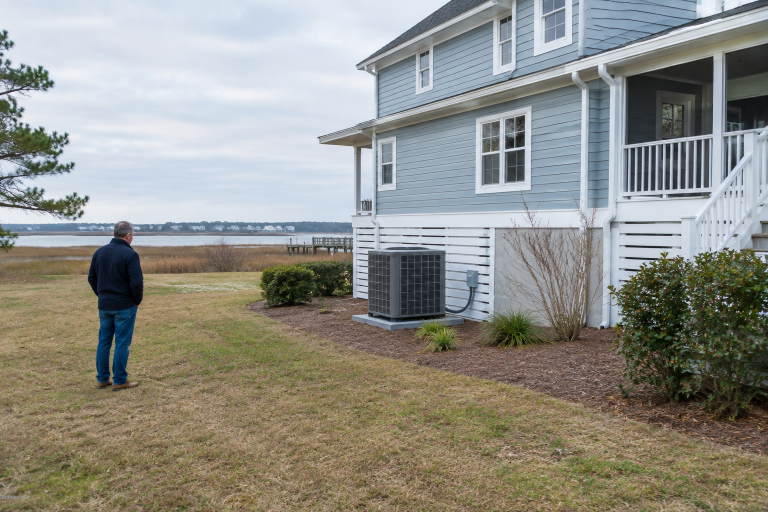
- Check whether the system has an outdoor unit.
- Keep model numbers, manuals, and prior service notes in an accessible place.
Do not remove equipment panels, open combustion areas, or handle energized components to identify a part.
Test Heat Before the First Cold Spell
Choose a mild day before the season is fully underway. Set the thermostat to heat mode, raise the setting a few degrees above the room temperature, and allow the system time to respond. Listen for normal startup operation, then check for airflow at registers or warmth from radiators.
- Test each thermostat and heating zone.
- Note rooms that remain noticeably cooler than the rest of the home.
- Remember that heat pump air often feels less hot than furnace air, even when the system is heating properly.
- Turn off the system if you notice smoke, a strong fuel odor, loud banging, or repeated electrical trips.
Check Filters, Vents, and Airflow
Restricted airflow can affect comfort and make a system work harder to move conditioned air. Follow the manufacturer’s instructions for your filter size and replacement process. A filter that looks heavily coated with dust or is visibly damaged should be replaced with the correct type.
- Keep supply registers open and free of rugs, furniture, and curtains.
- Keep return vents clear so air can circulate back to the equipment.
- Check filters more often in homes with pets, renovation dust, or frequent system use.
- Clear leaves, grass clippings, and stored items away from accessible outdoor heat pump equipment, especially in Brunswick County’s humid coastal environment.
Review Thermostat Habits
Before winter, confirm that the thermostat is in heat mode, its clock and schedule are correct, and its batteries are fresh if it uses them. Frequent large temperature changes can make comfort harder to manage, so a consistent schedule is often easier on the household and the equipment.
Keep thermostats away from direct sunlight, drafts, lamps, and other heat-producing appliances that can interfere with temperature readings.
Watch for Early Warning Signs
A system can still produce heat even as it develops a problem. Pay attention to new rattling, scraping, humming, or banging sounds; frequent on-and-off cycling; weak airflow; water around equipment; unusual odors; or rooms that heat unevenly. Make a short note of when the issue occurs, which thermostat is involved, and whether it is getting worse.
Fuel smells, exhaust odors, recurring electrical trips, and repeated system lockouts deserve prompt professional attention. If you smell gas, leave the area, avoid operating electrical switches or devices, and contact the appropriate emergency resource from a safe location.
Put Heating Safety on the Seasonal Checklist
Portable heaters and fireplaces require their own safety habits. The three-foot clearance recommended for portable heaters helps keep bedding, curtains, furniture, and other combustible materials away from a heat source.
- Place portable heaters on a stable, hard surface.
- Plug them directly into a wall outlet unless the manufacturer specifically allows another setup.
- Turn them off before leaving the room or going to sleep.
- Never use an oven, range, grill, or outdoor appliance to heat the home.
- Keep boxes, paper, clothing, and cleaning supplies away from heating equipment.
Test Smoke and Carbon Monoxide Alarms
Alarm checks belong beside filter checks and thermostat testing. Carbon monoxide is colorless and practically odorless, and it can come from improperly vented or malfunctioning fuel-burning appliances. The EPA identifies furnaces, fireplaces, and gas space heaters as potential sources of carbon monoxide.
Test alarms and replace batteries according to the manufacturer’s directions. If a carbon monoxide alarm sounds, move everyone outside to fresh air, contact emergency services or the appropriate local authority from a safe place, and do not re-enter until it is safe to do so.
Consider Coastal Conditions Around Outdoor Equipment
Brunswick County’s humid, windy coastal environment can leave outdoor units exposed to dampness, debris, and visible corrosion. Homeowners can safely look for bent panels, loose debris, standing water near the pad, or blocked airflow around the unit. Report unusual ice, frost, leaks, or physical damage rather than attempting internal repairs.
A Simple 30-Minute Homeowner Checklist
- Identify the heating system and thermostat locations.
- Test the heat from each zone or thermostat.
- Inspect or replace the air filter.
- Clear supply registers and return vents.
- Review thermostat settings and batteries.
- Clear the area around indoor and outdoor equipment.
- Test smoke and carbon monoxide alarms.
- Write down any unusual sounds, odors, leaks, or comfort problems.
Common Questions About Pre-Winter Heating Checks
When should a heating system be tested?
Test it before the first sustained cold weather arrives. Early testing provides more flexibility if a repair or professional inspection is needed.
Can a homeowner clean heating equipment?
Homeowners can usually dust accessible exterior surfaces, replace approved filters, and keep nearby spaces clear. Internal cleaning, electrical work, combustion testing, gas adjustments, and refrigerant work should be left to a qualified professional.
Does a newer system still need maintenance?
Yes. Newer equipment still benefits from clean filters, open airflow paths, correct thermostat settings, and maintenance that follows manufacturer guidance.
Conclusion
A pre-winter heating check is a practical way for Brunswick County homeowners to prepare for cool coastal weather. Test the system, clear airflow paths, check the filter, review thermostat settings, and confirm alarm operation. When unusual odors, leaks, repeated shutdowns, or safety concerns appear, professional help is the safer next step.

