
You brush, you floss when you can, and if nothing hurts, it is easy to push a dental visit down the list. That is how it goes for a lot of people. Life gets busy, money gets tight, and a checkup can feel optional when compared with everything else demanding your time. The problem is that many oral and overall health issues do not announce themselves with pain at the start. They stay quiet, and that quiet period is often when a north Scottsdale dentist or a general dentist has the best chance of spotting trouble early.
That is why why general dentistry plays a vital role in early disease detection matters so much. A routine dental exam is not only about cavities or cleaning your teeth. It is also a screening point for gum disease, oral cancer, infections, bite changes, jaw issues, and signs that may point to broader health concerns. Early findings usually mean easier treatment, lower cost, and less stress.
General dentistry helps catch problems before they become expensive and painful
Early disease rarely looks dramatic. A small sore in your mouth may seem harmless. Mild bleeding when you brush may feel normal because it has happened for months. Dry mouth, bad breath, gum tenderness, or a loose tooth can all be easy to ignore, especially when you are trying to get through the day without adding one more appointment.
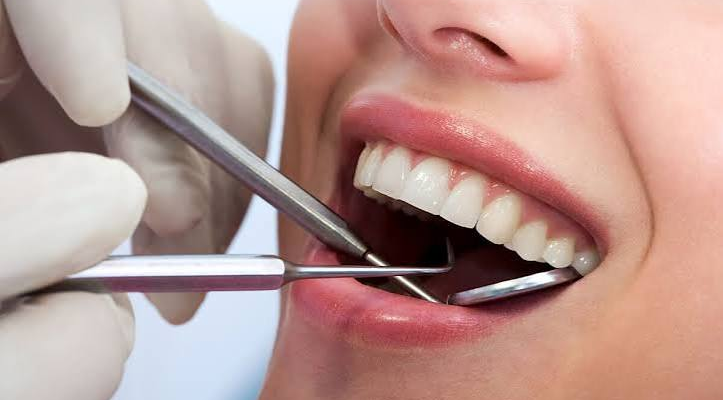
That is where general dental care earns its place. During a routine visit, a dentist checks far more than the surface of your teeth. They look at your gums, tongue, cheeks, jaw movement, bite, soft tissues, and signs of infection or abnormal growth. X rays can reveal decay between teeth, bone loss, impacted teeth, and infection that you would never see in a mirror.
Gum disease is one of the clearest examples. It often starts with redness, swelling, or bleeding, then moves into deeper infection and bone loss if it is not treated. The CDC explains the warning signs and progression of gum or periodontal disease. Catching it early can mean a deep cleaning and better home care. Waiting can mean tooth loss, advanced treatment, and higher bills.
Oral cancer is another reason these visits matter. A lesion, patch, or lump may not hurt at first. A dentist is trained to look for changes that need a closer look. The National Institute of Dental and Craniofacial Research outlines key facts about oral cancer, and one of the hardest truths is that delayed detection often leads to harder treatment.
Early detection in dentistry protects more than your mouth
Your mouth reflects a lot about your health. Chronic dry mouth can raise your risk of decay and may be linked to medicines or health conditions. Enamel wear can suggest grinding, acid reflux, or diet issues. Repeated infections can point to a larger problem with immune health or uncontrolled blood sugar. A dentist does not replace your physician, but regular exams can uncover clues that deserve follow up.
You may think of a dental visit as a reaction to pain, but that mindset often costs more in the end. A tiny cavity can become a root canal. Mild gingivitis can become advanced periodontal disease. A suspicious sore can go from watchful concern to urgent referral. The longer a problem sits, the fewer simple options remain.
This is one reason many people start to appreciate the role of early disease detection in dentistry after they have already gone through a bigger issue. They remember the missed months, the symptoms they brushed off, and the cost of waiting. Prevention is not glamorous, but it is often what saves your comfort, time, and budget.
Routine dental visits create a clear advantage over waiting for symptoms
| Situation | Found Early at a Checkup | Found After Symptoms Get Worse |
| Small cavity | Simple filling, shorter visit, lower cost | Larger decay, possible crown or root canal |
| Gum inflammation | Cleaning, home care changes, close monitoring | Bone loss, deep cleaning, ongoing periodontal treatment |
| Oral sore or tissue change | Early exam and referral if needed | Delayed diagnosis, more complex treatment |
| Teeth grinding or bite issues | Night guard or early correction | Cracked teeth, jaw pain, worn enamel |
| Hidden infection | Seen on X rays before severe pain starts | Swelling, severe pain, emergency care |
The value of routine care is practical. It gives you more choices. It lowers the chance that a small issue will turn into a painful one. It also gives your dentist a baseline, so changes are easier to spot over time. That is one of the quiet strengths of general dentistry and early disease detection. Patterns become visible when someone is checking consistently.
The CDC also shares oral health tips for adults that support this same goal. Daily care at home matters, but it works best when paired with regular professional exams and cleanings.
Three steps you can take right now
1. Schedule a routine dental exam before something hurts. Pain is a late signal in many dental problems. If it has been more than six months, or longer if your dentist recommended a different interval, get back on the calendar.
2. Pay attention to small changes. Bleeding gums, bad breath that does not go away, mouth sores, tooth sensitivity, dry mouth, and changes in the way your teeth fit together all deserve attention. These are not details to brush off.
3. Treat home care like maintenance, not damage control. Brush twice a day with fluoride toothpaste, clean between your teeth daily, limit tobacco use, and keep track of symptoms between visits. Good habits make it easier for your dentist to catch true changes early.
General dental care gives you the best chance to act early
You do not need a dramatic symptom to justify seeing a dentist. In many cases, the smartest time to go is when nothing feels wrong. That is when problems are smaller, choices are simpler, and treatment is easier on both your body and your wallet.
General dental care is not just about clean teeth. It is one of the most reliable ways to catch disease early, protect your oral health, and avoid the stress that comes with waiting too long. If a visit has been on your mind, take that nudge seriously and schedule your next checkup.

