
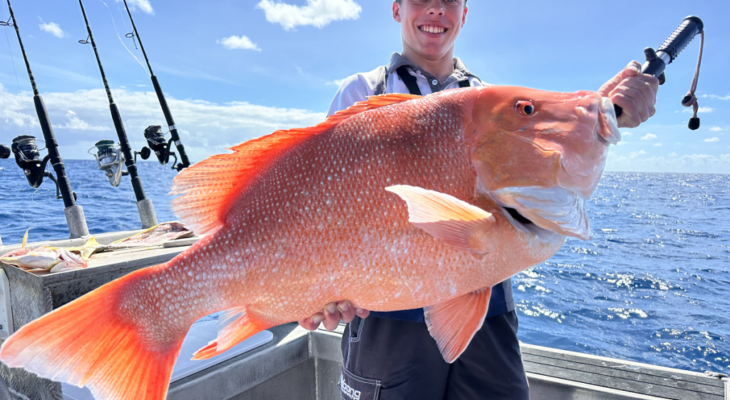
The moment you start planning a Port Douglas holiday, your itinerary can become a balancing act. Some days call for an early start and an organised activity. Others are better left open for a slow breakfast and time to explore.
A reef fishing trip needs a little more thought than an activity you can join on impulse. You will be spending several hours on a boat, sharing space with a crew and possibly other guests, and working around conditions that no holiday itinerary can control.
Before paying a deposit, take time to understand the experience you are booking. The right questions can help you choose a trip that suits your interests and avoid surprises on departure day.
Decide What You Want From the Experience
Start by asking yourself why you want to go fishing. You might enjoy learning a new skill, spending a day with an experienced angler in your family or making time for an interest you rarely pursue at home.
Those reasons matter when choosing a charter. A beginner may value patient instruction, while someone who fishes regularly might want to discuss particular techniques.
If you are considering reef fishing with Akula Sportfishing during your Port Douglas stay, explain your experience level and what you hope to do. The operator describes its reef trips as suitable for beginners and experienced anglers, but discussing your needs will help you understand the available options.
Be honest if you have never handled a rod. There is no advantage in pretending to know more than you do, especially when the crew can explain the equipment from the beginning.
Make Sure Everyone Wants the Same Kind of Day
A fishing enthusiast may be happy to spend much of the day concentrating on a line. Their travelling companion might imagine a relaxed sightseeing cruise with occasional fishing.
Neither expectation is unreasonable, but they describe different priorities. Talk through them before making a group booking.
Ask the operator whether non-fishing guests are welcome, what they can expect on board and whether the trip suits the ages and abilities of everyone attending. Do not assume a fishing charter includes swimming, snorkelling or island stops unless these activities are specifically confirmed.
If your group wants several activities, ask whether that combination is available. It is easier to adjust your plans before booking than to discover halfway through the day that people expected different experiences.
Compare Private and Shared Arrangements
Private and shared charters create different group settings. A private booking keeps the party together, while a shared departure involves joining other guests.
Ask about the maximum passenger number and how fishing positions are organised. Also check whether everyone fishes at once or whether arrangements change according to the boat and technique.
If booking a shared departure, find out whether a minimum number of passengers is required. Understand what happens if that number is not reached.
For private trips, confirm what the quoted price includes and how many passengers it covers. If friends are splitting the cost, agree on the arrangements before anyone pays.
Privacy can be valuable, but the practical details deserve just as much attention: enough seating, suitable facilities and a trip length everyone is comfortable with.
Read the Inclusions Closely
Two charters with similar descriptions may include different things. One might provide food, while another expects guests to bring their own. Equipment arrangements and catch handling can also vary.
Before booking, check the essentials:
- Whether rods, reels, bait and tackle are supplied.
- Whether food and drinking water are included.
- What shade, seating and toilet facilities are available.
- Whether there are any extra charges.
- How any retained catch is handled.
If you want to bring personal fishing gear, ask first. The crew can advise whether it is suitable and whether there is space for it.
Tell the operator about any accessibility needs before paying. A short conversation about boarding and moving around the vessel is more helpful than relying on photographs.
Understand That the Route May Change
It is tempting to picture a particular reef location and build your expectations around it. In practice, the skipper has to consider the conditions on the day.
Ask what happens if the planned fishing area cannot be reached safely. An operator may offer an alternative location, reschedule or cancel according to its terms. Akula’s published conditions allow reef trips to move to coastal reef or estuary alternatives when necessary.
Read those terms carefully so you understand the possible change in experience. If an alternative trip would not suit your group, discuss that before booking rather than assuming a particular outcome later.
Where possible, schedule your charter with some flexibility elsewhere in the holiday. Keep an eye on messages from the operator and confirm the best contact number for updates.
Prepare for Several Hours on the Water
Once you have booked, use the operator’s instructions to guide your packing. Comfortable clothing, appropriate footwear and sun protection are sensible starting points.
Bring only what you need and keep belongings secured. A small bag is easier to manage than loose items spread around the deck. Protect your phone or camera from water and check before bringing bulky equipment.
If anyone worries about motion sickness, speak to a pharmacist or healthcare professional in advance about suitable options. Do not leave preparation until the boat is departing.
The evening before, confirm the meeting point, arrival time and transport arrangements. Use the location supplied with your booking confirmation, and allow enough time to find the boarding area without rushing.
Learn From the Crew and Set Realistic Expectations
The safety briefing is part of the experience, even if you have been on fishing boats before. Listen to instructions about moving around the vessel, handling equipment and what to do when someone hooks a fish.
Ask questions when something is unfamiliar. Learning how to lower a bait, recognise a bite or handle the rod can be rewarding in itself.
Follow the crew’s directions about fish handling and what can be retained. Ask before lifting a fish for a photograph, and keep the moment brief when the crew advises it.
Also read: Beyond the Beach: How to Plan a Fishing Day on the Gold Coast
No charter can promise that a particular fish will bite. Approach the day with curiosity rather than a fixed catch target. A suitable trip, clear expectations and a willingness to learn give you more ways to enjoy your time on the water.

