
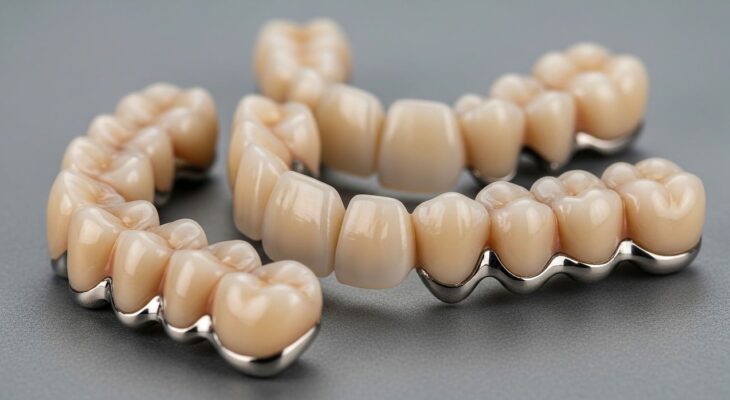
You may be tired of hiding your teeth in photos, covering your mouth when you laugh, or noticing that one missing tooth seems to throw off your whole smile. That feeling is real. A single gap, a worn crown, or uneven spacing can make even great whitening or veneers feel incomplete. When the goal is a smile that looks natural and feels stable, cosmetic work often needs a strong foundation first. That is where implants fit in. They do more than replace a tooth. They help support balance, symmetry, and long term results, which is why many people looking for an implant and cosmetic dentist or a family dentist in Chula Vista end up needing both forms of care together.
A beautiful smile is not only about color or shape. It is also about structure, bite, and how each tooth works with the rest. Dental implants can anchor a treatment plan so cosmetic improvements do not just look better on day one, they also hold up better over time. If you have been considering veneers, bonding, whitening, or a smile makeover, implants may be the piece that makes the final result look complete instead of patched together.
Dental implants create the foundation cosmetic dentistry needs
Cosmetic dentistry improves what people see. Implants restore what is missing beneath that surface. If a tooth is gone, nearby teeth can drift into the space, the bite can shift, and the gumline can start to look uneven. You might think whitening or contouring will fix the problem, but the missing tooth still affects the whole frame of your smile.
That is why one of the clearest examples of how implants support cosmetic dentistry is simple stability. An implant acts like a replacement root, holding a crown in place and helping preserve the shape of the area. The National Institute of Dental and Craniofacial Research discusses the role of modern restorative options and materials in long term dental care in its dental materials resource. When the base is solid, cosmetic treatments around it tend to look more natural.
Implants help keep your smile symmetrical and balanced
People usually notice that something feels off before they can explain why. One side of the smile may sit higher. A gap may make the front teeth look wider than they are. The problem is not always the visible space itself. It is the imbalance that follows it.
Implants can restore symmetry by filling the exact space where a tooth used to be, which helps the dentist design veneers, crowns, or bonding in proportion with the rest of your teeth. This matters most in the front of the mouth, where even small differences in width or gum contour can stand out. A cosmetic dentist can shape visible details, but implants often make that design possible in the first place.
Dental implants preserve bone and facial support
When a tooth is missing for a while, the jawbone in that area can shrink. You may not see it right away, but over time it can change the way the gums sit and how the lips are supported. That can make a smile look older or less even, even after cosmetic treatment.
Implants help stimulate the bone in a way other tooth replacements do not. That support can protect the contour of the gums and face, which is one reason many patients seeking a smile makeover with implants are advised not to wait too long. The broader impact of oral health on function, appearance, and quality of life is reflected in the NIDCR report on oral health in America. Cosmetic dentistry can refine the visible result, but preserved bone helps that result look natural.
Implants improve function, which protects cosmetic work
A smile can look great and still feel wrong when you chew. If your bite is uneven because a tooth is missing, extra pressure may fall on veneers, bonding, or natural teeth nearby. That can lead to chips, wear, or discomfort. Many people do not connect bite problems with cosmetic failure until they have to repair work that never had proper support.
Implants help spread chewing force more evenly. That makes them valuable for appearance and for function. The best cosmetic results usually come from treatment plans that respect both. An implant and cosmetic dentist will look at your bite, spacing, and wear patterns before deciding whether cosmetic changes alone will last.
Implants can make cosmetic treatment more conservative
If a missing tooth is left untreated, nearby teeth sometimes need to do extra work, or they may be altered to support a bridge. An implant can replace the missing tooth without cutting down healthy teeth on either side. That gives your dentist more freedom to keep natural tooth structure intact while improving the overall look of your smile.
For many patients, that is one of the most practical benefits of combining implants with cosmetic care. You are not just chasing a better photo. You are protecting healthy teeth while improving the way your smile looks and works. That is the difference between a quick fix and a plan with staying power.
Comparing implants with cosmetic only fixes for a missing tooth
|
Concern |
Cosmetic Only Approach |
Implant Based Approach |
|---|---|---|
|
Missing tooth space |
May be disguised temporarily with bonding or partial cosmetic changes |
Replaces the tooth at the source with a crown supported by an implant |
|
Smile symmetry |
Can improve nearby teeth, but balance may still feel off |
Restores width, spacing, and alignment in the exact area |
|
Jawbone support |
Does not address bone loss |
Helps maintain bone in the missing tooth area |
|
Impact on nearby teeth |
May require more alteration of surrounding teeth in some cases |
Often preserves adjacent healthy teeth |
|
Longevity of cosmetic result |
Can be limited if bite and spacing issues remain |
Often supports a more stable long term cosmetic outcome |
Clear steps help you move forward with confidence
Ask for a full smile and bite evaluation. If you are thinking about whitening, veneers, or bonding, ask whether a missing tooth or failing tooth is affecting the bigger picture. A good plan starts with structure, not just shade selection.
Discuss timing before starting cosmetic work. Some people begin cosmetic treatment too early, then have to redo part of it after implant placement. Ask which step should come first so color, shape, and spacing can be coordinated from the start.
Review materials, maintenance, and daily care. Crowns, veneers, and implant restorations all have different care needs. Use plain language resources if that helps. MedlinePlus offers multilingual dental health information that can make instructions easier to follow.
Also read: Ridge Preservation After Tooth Extraction: Protecting Bone for a Future Implant
A complete smile usually comes from combining health, function, and appearance, not choosing one over the other. Cosmetic dentistry with implants can close gaps, restore support, and make every other cosmetic detail look more natural. If your smile has felt unfinished no matter what you try, the missing piece may be structural. The next step is a personalized evaluation with an implant and cosmetic dentist who can map out what will actually last.

