
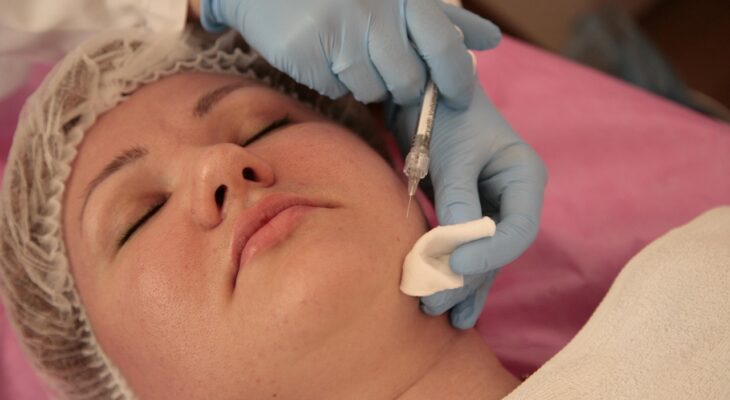
Noticing your midface lose firmness and form deeper shadow lines feels a lot like spotting structural cracks in a growing building. When volume drops in the centre of your face, hollows appear beneath your eyes and smile lines deepen around your mouth, even when you feel completely energised.
Achieving a refreshed look requires restoring deep bone and fat pad support rather than simply filling surface creases. If you are researching clinical options for cheek fillers in Singapore, understanding how structural hyaluronic acid placed on the zygomatic arch lifts the lower face gives you an objective baseline for your consultation. Establishing a measured treatment plan early protects your natural smile dynamics while preventing the dreaded overfilled look.
The Biology of Midface Bone Resorption
Your midface contours depend heavily on your zygomatic bone, deep malar fat pads, and supporting facial ligaments. Starting in your early thirties, bone remodelling slowly resorbs the upper cheek frame while deep fat pads shrink and shift downward under gravity.
As this internal structural scaffolding recedes, the overlying skin loses its anchor point. The descending cheek tissue pools against the fixed facial retaining ligaments, creating prominent tear troughs under the eyes and heavy nasolabial folds around the nose. Treating the problem effectively requires replacing volume deep at the bone level to recreate that lost vertical suspension.
Direct Fold Filling versus Apex Lifting
Standard aesthetic guides often encourage patients to inject filler straight into laugh lines around the mouth to erase deep creases. The non-obvious trade-off is that pumping soft filler directly into nasolabial folds weighs down the lower third of your face, creating an unnatural muzzle-like protrusion whenever you smile.
Choosing structural apex lifting trades direct crease masking for mechanical elevation. Placing high-density gel onto the lateral zygomatic bone tensions retaining ligaments and pulls descended tissue upward. By lifting the cheek apex first, you soften smile lines naturally by fifty to seventy per cent without packing heavy filler around your mouth.
The Overfilled Pillow Face Mistake
The most common and expensive mistake patients make is asking their injector to pack volume directly into the anterior apples of their cheeks. People fall into this trap because full, rounded front cheeks look plump and youthful in static, filtered photos.
In reality, packing excessive soft gel into mobile front fat compartments produces the infamous pillow face look. When you laugh or speak, this gel squeezes upward against your lower eyelids, narrowing your eyes and freezing your expression. Fixing this mistake requires ultrasound-guided dissolving sessions with hyaluronidase enzyme before proper lateral lifting can be performed.
Calculating Real Three Year Facial Economics
Let us look at a concrete worked example comparing uncontrolled superficial filling against a disciplined structural protocol over three years. Consider an individual who receives one millilitre of soft filler injected directly into their laugh lines every nine months at 700 pounds per visit.
Over thirty-six months, four repeat fold injections total 2,800 pounds, leaving the lower face looking bloated. Dissolving the migrated gel costs 650 pounds, followed by corrective structural lifting costing 1,600 pounds, bringing total expenditure to 5,050 pounds. In contrast, an initial structural protocol using two millilitres of high-density gel placed on the cheekbone costs 1,400 pounds and lasts eighteen months, requiring only a single maintenance touch-up at month twenty costing 700 pounds. Sourcing a structural lift upfront totals 2,100 pounds, saving 2,950 pounds over three years while keeping your natural facial expression intact.
Core Daily Habits After Treatment
Supporting clean gel integration while midface tissues settle requires establishing simple, repeatable operational habits during the first fortnight. Keeping mechanical displacement forces away from your cheekbones allows the product to integrate firmly on the periosteum.
Keep these practical operational habits in mind:
- Sleep on your back consistently: Rest in a supine position for seven nights to avoid putting lateral pressure on settling cheek cushions.
- Avoid heavy facial pressure: Skip firm face massages, microcurrent rollers, and tight sleeping masks for fourteen days post-procedure.
- Pause high-impact jarring workouts: Limit heavy running and intense jumping exercises for forty-eight hours to keep local blood pressure stable.
A Clear Rule for Midface Volume
You do not need a clinical qualification to determine whether your face needs front apple fullness or high structural bone lifting. You can apply a straightforward decision rule called the forty-five-degree profile check in your bathroom mirror.
Turn your face forty-five degrees toward the mirror under natural side lighting and examine the line running from your lower eyelid down across your cheek. If the curve forms a smooth, gentle S-shape that drops straight into a shadow fold near your nose, you have lost bone support and require structural lift on the high outer cheekbone. If your outer cheekbone remains sharp and prominent but your lower under-eye area looks hollow, you require delicate under-eye blending rather than high cheek volume.
Visit this website: How to Turn Everyday Moments Into Better Instagram Reels
Restoring your facial youth is ultimately about building a calm plan that respects natural human anatomy. By avoiding overfilled front cheeks, choosing indirect apex lifting over heavy fold filling, and applying clear profile self-checks, you protect both your appearance and your finances. Approach your aesthetic care with thoughtful strategy, rely on solid biological facts, and move forward with quiet confidence in your decisions.

