
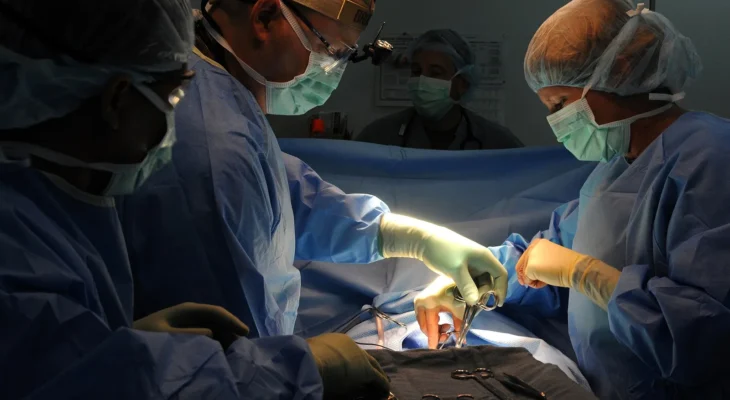
If your pet needs surgery and someone says the words high risk anesthesia, your mind usually goes straight to the worst place. You hear age, heart disease, breathing trouble, seizures, kidney problems, and suddenly even a routine procedure feels frightening. That reaction makes sense. A Louisville vet knows you are trusting a team to keep your animal stable during one of the most vulnerable moments of care.
The good news is that high risk veterinary anesthesia is not handled casually. Animal hospitals screen for danger before the procedure, build a plan around your pet’s specific risks, monitor every major body system during anesthesia, and adjust fast if something changes. The safest hospitals do not treat anesthesia as a single drug event. They treat it as a full medical process that starts before sedation and continues through recovery.
Animal hospitals reduce anesthesia risk by planning before the first drug is given
Most problems tied to anesthesia do not begin in the operating room. They begin with hidden disease, poor drug choice, dehydration, airway trouble, or a pet whose body cannot handle stress the way a healthy animal can. That is why animal hospitals start with a detailed review of your pet’s history, current medications, exam findings, and lab work.
An older dog with a heart murmur may need chest imaging, blood pressure checks, and a different sedation plan than a young healthy dog coming in for the same procedure. A cat with kidney disease may need fluid support and tighter blood pressure control. A flat faced breed may need extra airway preparation because breathing can become difficult faster, especially during induction and recovery.
Hospitals that handle anesthesia for high risk pets well do not rely on one standard protocol. They build a case specific plan. That often includes pre anesthetic bloodwork, imaging when needed, an IV catheter, oxygen support, warming methods, pain control, and a backup plan if your pet reacts poorly to a drug.
Veterinary teaching hospitals and advanced practices often follow structured protocols that reflect the same principles described in anesthesia guidelines for non rodent mammals and in clinical overviews of veterinary anesthesia services. The details vary by species and condition, but the pattern stays the same. Assess risk, choose drugs carefully, monitor closely, recover slowly.
High risk anesthesia cases depend on monitoring, not guesswork
Once anesthesia begins, the real work is constant observation. A high risk patient can look stable one minute and start drifting the next. Blood pressure can fall. Body temperature can drop. Breathing can become shallow. Heart rhythm can change. This is where trained staff and proper equipment matter most.
In a well run animal hospital, your pet is not simply put under and checked from time to time. A technician or anesthesia trained team member tracks oxygen levels, carbon dioxide, heart rate, rhythm, blood pressure, temperature, and breathing depth. Those numbers guide real time decisions. If blood pressure drops, the team may reduce anesthetic depth, change fluids, or use medication support. If ventilation weakens, they can assist breathing before low oxygen causes harm.
This is one reason the cost of anesthesia can vary so much. You are not only paying for medication. You are paying for judgment, monitoring equipment, staffing, and recovery support. When a pet already has a medical condition, those layers are not extra. They are the safety net.
Recovery is often the most fragile part of animal hospital anesthesia care
Many owners assume the danger ends when the procedure is over. Recovery can be just as sensitive, especially for brachycephalic pets, seniors, animals with heart or lung disease, and pets who had a long procedure. Airway swelling, pain, confusion, low body temperature, and blood pressure shifts often show up here.
That is why good hospitals plan recovery with the same care they give induction. Your pet may stay on oxygen longer, receive warming support, get repeated pain assessments, and remain under observation until swallowing, breathing, and blood pressure are stable. If your pet has a history of seizures, aspiration risk, or delayed drug clearance, discharge may be later or overnight monitoring may be recommended.
Practical differences between standard and high risk anesthesia management
|
Care Element |
Standard Anesthesia Case |
High Risk Anesthesia Case |
|---|---|---|
|
Pre procedure testing |
Basic exam and routine bloodwork |
Expanded lab work, imaging, blood pressure, ECG, medication review |
|
Drug selection |
Common protocol based on species and size |
Customized protocol based on organ function, airway, age, and diagnosis |
|
IV and fluid support |
Often routine |
Carefully adjusted to heart, kidney, and blood pressure needs |
|
Monitoring |
Core monitoring during procedure |
Continuous advanced monitoring with tighter intervention thresholds |
|
Staffing attention |
Shared team oversight |
Dedicated anesthesia focus with rapid response readiness |
|
Recovery plan |
Routine observation until awake |
Extended observation, oxygen, warming, pain reassessment, possible overnight care |
What you can do before your pet’s anesthesia appointment
Ask for the risk plan in plain language. You do not need a perfect medical vocabulary. Ask what makes your pet high risk, what the hospital is doing to lower that risk, who will monitor anesthesia, and what recovery will look like. Clear answers usually mean the team has thought the case through.
Share every detail, even the one that seems small. Tell the hospital about coughing, fainting, snoring, vomiting, medication changes, supplement use, appetite shifts, and previous reactions to sedation. One small piece of history can change the anesthesia plan.
Prepare for aftercare before the procedure day. Recovery does not end at discharge. Set up a quiet area at home, confirm feeding and medication instructions, and ask what warning signs mean you should call right away. That matters just as much as the procedure itself in many animal hospital cases.
Careful anesthesia can still be the right choice for a medically fragile pet
High risk does not mean hopeless, and it does not always mean avoid the procedure. Sometimes the greater danger is untreated pain, a blocked bladder, a dental infection spreading deeper, a mass that keeps growing, or a breathing problem that worsens without intervention. The decision usually comes down to whether the hospital has identified the risks clearly and built a plan around them.
See more: 5 Questions To Ask About Hospital Care After A Pet Swallows Baclofen
You do not need certainty to move forward. You need honest information, a team that takes your concerns seriously, and a hospital that treats anesthesia as active medical care from start to finish. If your pet is facing a procedure, ask for a detailed anesthesia discussion and recovery plan before the appointment is booked.

