
Key Takeaways
- Choose an area that fits your daily routines, not only a listing’s photos or finishes.
- Compare the total monthly and long-term cost of ownership.
- Visit potential neighborhoods at several times of day.
- Review property condition, parking, transit, services, and planned changes.
- Use the same scorecard for every area so tradeoffs are easier to see.
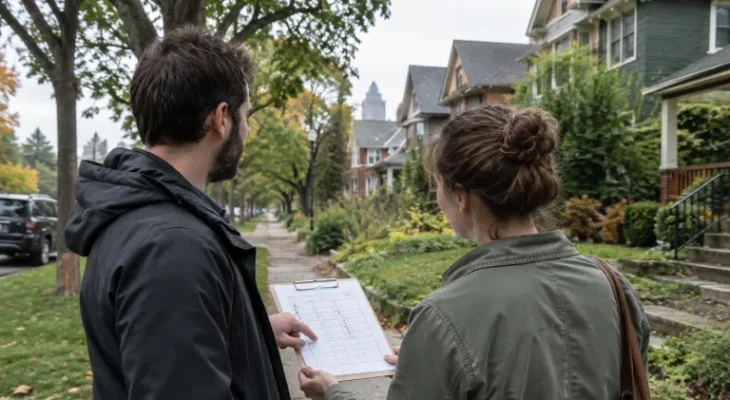
Buying a home in St. Paul, Minnesota, is not only about finding the right number of bedrooms or a renovated kitchen. The better question is whether a location supports the way you actually live. Buyers who compare neighborhoods by cost, commute, housing type, daily routines, and future plans can make a clearer decision before they become attached to a single listing.
For a local perspective, St Paul MN real estate agent Adam Duckwall provides Twin Cities home-search tools, buyer and seller guidance, valuation resources, and neighborhood-focused information. Adam Duckwall has worked with buyers and sellers in the Minneapolis and St. Paul area since 2005, so his approach to comparing properties can be especially useful for people weighing short-term needs against five- or ten-year plans.
Table of Contents
- Start With Your Priorities
- Compare Total Housing Costs
- Study Commutes and Daily Routines
- Review Housing Styles and Conditions
- Visit at Different Times
- Check Services and Amenities
- Research Future Changes
- Use Reliable Property Data
- Questions Before an Offer
- Five-Step Comparison Checklist
Start With Your Priorities
Broad labels such as “walkable,” “quiet,” or “up-and-coming” mean different things to different households. Begin with a personal list of priorities: a comfortable monthly payment, a maximum commute, parking needs, access to parks, a garage, transit, outdoor space, or lower maintenance. Then separate true needs from preferences.
Also consider whether the neighborhood will still work if your job changes, your household grows, or you want less maintenance later. A home can be appealing today while creating a difficult routine a few years from now.
Compare Total Housing Costs
The purchase price is only one part of the decision. Compare property taxes, homeowners insurance, utilities, association dues, possible special assessments, snow removal, lawn care, repairs, and future remodeling. Older homes may offer character and established streets, but they can also require more attention to insulation, mechanical systems, and drainage, as well as deferred maintenance.
For example, two similarly priced homes may produce very different monthly costs. One may have higher taxes and a larger heating bill, while another may have association dues that cover exterior work. A lower-priced property can be less affordable over time if major repairs are close.
Study Commutes and Daily Routines
Map the trips you take most often, including work, school, childcare, groceries, medical appointments, family visits, parks, and recreation. Test-drive routes during weekday traffic rather than relying on a general estimate. If transit matters, check the specific route, stop location, transfer needs, and schedule for your normal trip.
St. Paul’s hills, one-way streets, winter conditions, river crossings, and street parking can change how a short distance feels in practice. Walk the blocks around a prospective home, assess sidewalk conditions, and note whether winter snow storage could affect parking or access.
Review Housing Styles and Conditions
St. Paul buyers can encounter historic single-family houses, bungalows, duplexes, condos, townhomes, lofts, and newer construction. Each option creates a different maintenance and lifestyle commitment. A duplex may offer flexibility, while a condo can reduce exterior responsibilities but add association rules and shared financial obligations.
For an older home, ask about the roof, foundation, drainage, electrical service, plumbing, heating equipment, insulation, windows, and sewer line. Condo buyers should also request association budgets, reserve information, insurance details, pet and rental rules, parking information, and any history of special assessments.
Visit at Different Times
A single open house rarely reveals the full experience of a block. Visit each finalist area at least three times:
- During a weekday morning commute.
- After work or after dark on a weekday.
- During a weekend period when residents are more likely to be out.
Pay attention to traffic, road or rail noise, lighting, parking availability, pedestrian activity, nearby business activity, and the general pace of the street. These details can matter as much as the home’s interior.
Check Services and Amenities
“Near parks” and “close to shopping” are useful starting points, but confirm the places you will actually use. Consider grocery stores, pharmacies, clinics, libraries, community centers, trails, restaurants, schools, childcare, bike routes, and transit stops. Measure the trip from the specific property, not from the center of a neighborhood on a map.
Verify school boundaries, city services, and property records directly. The City’s property information and reports page explains how buyers can look up items such as zoning, code compliance reports, certificates of occupancy, and Truth-in-Sale of Housing reports for an address.
Research Future Changes and Local Investment
Look beyond the current streetscape. Nearby road work, redevelopment, apartment construction, commercial projects, or public improvements may affect traffic, convenience, noise, and future demand. Those changes are not inherently positive or negative, but they should be understood before an offer is made.
The City of Saint Paul’s planning information can help buyers identify citywide, neighborhood, and major-site planning activity. Pair that broader research with a close look at the immediate blocks surrounding the home.
Use Reliable Property Data
Compare more than asking prices. Useful information includes recent closed sales, days on market, price per square foot, available inventory, sale-to-list price ratios, tax history, and known assessments. Neighborhood averages can hide major differences between property types, conditions, and even adjacent blocks, so treat broad market data as context rather than a final answer.
Questions to Ask Before Making an Offer
- How old are the roof, furnace, water heater, and major appliances?
- Are there known water, drainage, foundation, or sewer issues?
- What repairs or improvements were completed recently?
- How does street parking work during winter?
- Are there open permits, code concerns, or unresolved inspection items?
- Are nearby construction, transit, or road projects planned?
- What are typical utility costs?
- Does the property have historic-district or association requirements?
A Five-Step Neighborhood Comparison Checklist
- Choose three to five areas. Start with locations that meet your budget and basic needs.
- Create one scorecard. Use the same categories for commute, price, parking, housing style, amenities, and maintenance.
- Visit more than once. Record what changes between morning, evening, and weekends.
- Calculate full ownership costs. Include taxes, insurance, utilities, repairs, and association expenses.
- Test the long-term fit. Consider future household needs, resale, and the level of upkeep you want.
Final Thoughts
You may also like: 5 Orlando Organizations to Help You Navigate Debt and Rebuild Credit
The strongest St. Paul home search begins with the neighborhood, not just the house. When buyers compare practical routines, property conditions, total costs, local services, and future changes, they can make a more confident choice. A simple scorecard and several in-person visits can turn a broad search into a decision that fits both the present and the years ahead.

