
Key Takeaways
- A home’s list price is only one part of the buying decision.
- Taxes, insurance, flood exposure, maintenance, and commuting can substantially affect the true monthly cost.
- Comparing Wilmington-area neighborhoods by everyday routines can be more useful than judging a home during one showing.
- More choice does not eliminate competition for well-priced homes in desirable locations.
- Careful due diligence before an offer can reduce costly surprises after closing.
Buying a home near Wilmington involves more than finding a property with the right number of bedrooms or a polished kitchen. Whether you are purchasing a first home, relocating to coastal North Carolina, searching for a retirement property, or comparing investment opportunities, the best decision comes from evaluating the total cost and long-term fit of each address. For local guidance during that comparison process, Wilmington real estate experts Thirty4 North Properties Group provide home-search tools, neighborhood information, and local real estate support for the greater Wilmington area. Thirty4 North Properties Group works with buyers considering everything from downtown condos and new construction to waterfront, beach, retirement, and investment properties, making its team a useful resource when property type, location, and daily lifestyle all need to be weighed together.
Why a Home-Buying Checklist Matters in 2026
Two homes with the same purchase price can produce very different ownership experiences. One may have newer mechanical systems, lower insurance costs, an easy commute, and no association dues. The other may need a roof sooner, have higher wind or flood coverage costs, and sit farther from work, schools, or regular errands. A checklist helps buyers look beyond the emotional pull of a listing and compare the details that continue to matter after closing.
Step 1: Set a Realistic Buying Budget
Start with a monthly payment that still leaves room for savings, recreation, travel, retirement contributions, and unexpected repairs. A lender can estimate principal and interest, but the full housing budget should also include property taxes, homeowners’ insurance, potential flood coverage, association dues, utilities, lawn care, pest control, and routine maintenance.
- Request payment estimates at more than one purchase price.
- Keep an emergency reserve after the down payment and closing costs are paid.
- Estimate the first year’s likely repairs, furnishings, and moving expenses.
- Consider whether the budget could absorb an insurance increase or major appliance replacement.
Questions to Ask
- What payment still allows the household to save every month?
- Would the home remain affordable if taxes or insurance rose?
- Could the buyer handle a significant repair within the first year?
Step 2: Compare Neighborhoods by Daily Life
A neighborhood should work on an ordinary Tuesday, not just on a sunny weekend. Test the routes you would actually use, including work commutes, school drop-offs, grocery runs, medical appointments, and access to major roads. Visit at different times of day to observe traffic, noise, parking, lighting, nearby construction, and the area’s pace.
- Measure the commute during peak traffic when possible.
- Check proximity to grocery stores, parks, health care, and favorite activities.
- Compare urban convenience, beach access, suburban space, and older-home character.
- Consider whether the area will suit your household five or ten years from now.
Step 3: Check Flood and Storm Exposure
Flood research should be part of the early shortlist process for every buyer, especially in areas near coasts, waterways, and low-lying areas. Look at the lot’s drainage pattern, driveway elevation, crawl space condition, nearby ditches, and whether access roads have experienced flooding.
- Confirm the current flood zone and map panel.
- Ask whether the lender requires flood insurance.
- Request a flood quote even if coverage is not required.
- Ask about prior water intrusion, raised utilities, storm shutters, roof age, and drainage improvements.
- Review foundation type and signs of moisture in crawl spaces or lower levels.
Step 4: Price Insurance Before Making an Offer
Insurance should not be a last-minute task completed just before closing. Obtain early estimates for homeowners coverage and, when relevant, wind, hail, and flood policies. Ask about deductibles, roof-age restrictions, exclusions, replacement-cost terms, and any property features that affect eligibility or price. Comparing quotes from multiple licensed insurance professionals can clarify whether a home fits the intended budget.
Step 5: Review the Home’s Condition
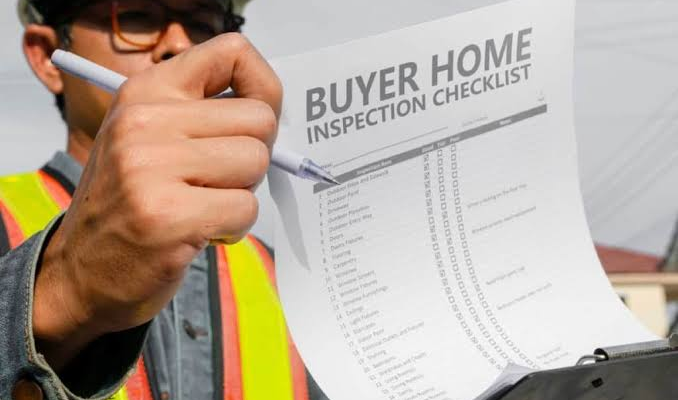
A professional inspection is essential, but buyers should also understand which findings are urgent and which are normal maintenance. Focus on systems that can create large first-year expenses, including the roof, heating and cooling equipment, plumbing, electrical components, windows, siding, exterior paint, crawl space, drainage, and foundation. A wood-destroying insect inspection can also be important in this climate.
Inspection Questions
- Which items are safety concerns or need immediate attention?
- Which repairs can reasonably wait?
- Could any condition affect insurance approval?
- What maintenance costs are likely within the next three years?
Step 6: Study New Construction Carefully
New construction may reduce near-term repair concerns, but it still requires thorough research. Review the builder warranty and its exclusions, confirm expected taxes after completion, and understand association dues and future amenities. Ask when roads, sidewalks, landscaping, and shared spaces will be finished. Also, compare upgrade costs to similar resale homes and consider whether future phases could increase traffic or add competing inventory.
Step 7: Compare the Offer Beyond Price
The strongest offer is not always the highest offer. Purchase price matters, but so do due diligence fees, earnest money, financing terms, inspection provisions, seller-paid costs, repair requests, included personal property, and the proposed closing date. Review comparable sales, immediate repair estimates, and insurance costs before deciding how aggressively to offer.
Step 8: Plan for Resale and Long-Term Fit
Before making an offer, think beyond the first year. Does the floor plan allow for changing household needs? Is the home manageable if you later downsize? Will the location appeal to a range of future buyers? Consider nearby development, roads, schools, utilities, and the home’s maintenance demands if market conditions become less favorable.
Final Checklist Before Making an Offer
- Confirm the complete monthly payment and cash needed to close.
- Obtain homeowners, wind, hail, and flood insurance estimates when relevant.
- Review flood-zone information, drainage, and property access.
- Study comparable sales and current competition.
- Complete inspections and estimate immediate repairs.
- Review taxes, association fees, utility costs, and contract terms.
- Test the commute and regular errand routes.
- Make sure the property still supports the long-term plan.
Conclusion
A smart Wilmington-area purchase starts with more than a good-looking listing. The best home is one that balances affordability, location, condition, and long-term practicality. Before making an offer, compare total ownership costs, neighborhood routines, commute times, nearby services, coastal risks, insurance availability, and the property’s overall condition. Take time to review inspection findings, maintenance needs, and any location-specific considerations that could affect future expenses or daily convenience. Visiting the neighborhood at different times and understanding how the property fits your lifestyle can help you avoid costly surprises. By evaluating these factors before closing, buyers can choose a home that fits both their budget and how they want to live for years to come.

