
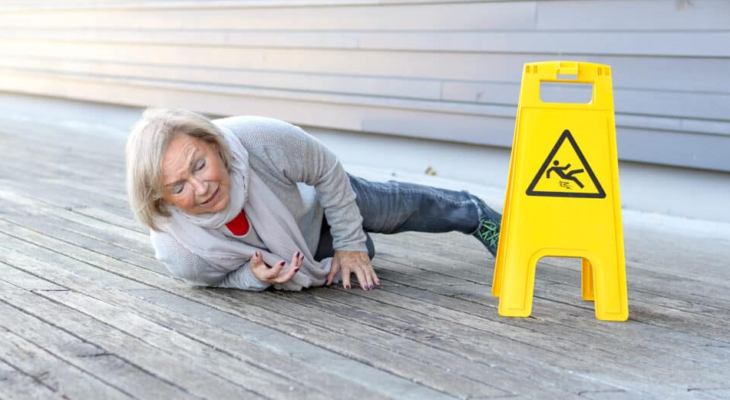
You expect to feel safe when you visit a store, walk through an apartment complex, or stop at a gas station. When a property is not kept up, that trust can break fast. A loose handrail, wet floor, broken step, or poor lighting can turn a simple visit into a painful fall. In Mississippi, these events are called premises liability accidents. They can leave you with medical bills, lost work, and lasting fear. This blog explains the most common types of premises liability accidents in Mississippi so you can see what went wrong and what rights you have. You learn when a property owner may be at fault and what steps you should take after an injury. You also see when it is time to call a Jackson premises liability lawyer for clear legal guidance.
What Premises Liability Means For You
Premises liability means a property owner must keep the property reasonably safe for people who are allowed to be there. You might be a shopper, a guest, a delivery driver, or a tenant. If the owner knows about a danger and ignores it, or should know about it with basic care, you can suffer.
Mississippi law expects owners to fix hazards, block off unsafe spots, or give clear warnings. The law also expects you to use common sense. You still have rights even if the owner blames you for not paying attention. Fault can be shared. Your claim can still move forward if the law supports it.
Common Types of Premises Liability Accidents
Many injuries fall into a few clear groups. Each one raises hard questions about what the owner knew and what you could see.
Slip and Fall Accidents
Slip and fall accidents are the most common type of premises claim. They often happen in grocery stores, restaurants, parking lots, and office lobbies.
Common causes include:
- Spilled drinks or food on floors
- Freshly mopped floors without warning signs
- Rain or mud tracked into entrances
- Loose mats or rugs that bunch up
These accidents can cause broken bones, head injuries, or back pain. The Centers for Disease Control and Prevention explains how falls are a leading cause of injury across all ages. You can read more about falls and injury data from the CDC.
Trip and Fall Accidents
Trip and fall events often involve your foot catching on something. The danger comes from things that stick up or break the walking surface.
Common causes include:
- Uneven sidewalks or cracked pavement
- Exposed cords across walkways
- Broken tiles or loose boards
- Clutter left in store aisles or stairwells
These hazards often build over time. That means the owner had time to notice and fix the problem. Photos of the defect and witness statements can show how long the danger existed.
Stairway and Ramp Accidents
Stairs and ramps should help you move safely between levels. When they are not kept up, they can cause sudden and severe harm.
Risk factors include:
- Loose or missing handrails
- Steep or uneven steps
- Slippery treads on stairs or ramps
- Poor lighting that hides edges
The U.S. Access Board provides design standards that many property owners use as guidance for safe stairs and ramps.
Inadequate Lighting and Security
Some injuries come from poor lighting or weak security. You might fall in a dark parking lot or face an assault in an apartment complex with broken gates.
Common problems include:
- Burned out lights in parking lots or stairwells
- Broken locks on doors or gates
- No security cameras in high risk spots
- No response to past reports of crime on the property
Property owners cannot stop every crime. They must still take basic safety steps when they know an area has a pattern of trouble.
Swimming Pool and Water Hazards
Pools, hot tubs, ponds, and drainage ditches all pose risks. Children face special danger when water is left open or unguarded.
Common hazards include:
- Unfenced or unlocked pools
- No lifeguard where one is required by rules or policy
- Slippery decks or missing pool covers
- Hidden drop offs or strong currents in manmade water features
Mississippi property owners must expect that children may not understand water risks. A simple fence or locked gate can prevent tragedy.
Dog Bites and Animal Attacks
Premises liability can also involve animals on the property. A loose dog in a yard or store can bite or knock you down.
Key questions include:
- Whether the owner knew the dog had a history of aggression
- Whether the dog was leashed or fenced
- Whether warning signs were posted
Photos of the dog, the fence, and your injuries can help show what happened and how the owner failed to control the animal.
Comparison of Common Premises Hazards
| Type of Hazard | Typical Location | Common Cause | Common Injury Type |
|---|---|---|---|
| Slip and fall | Stores and restaurants | Wet or greasy floors | Fractures and sprains |
| Trip and fall | Sidewalks and walkways | Uneven surfaces or clutter | Knee and wrist injuries |
| Stairway and ramp | Apartment buildings and offices | Loose rails or broken steps | Head and back injuries |
| Lighting and security | Parking lots and complexes | Dark paths or weak locks | Falls and assault injuries |
| Pool and water hazards | Homes and hotels | No fencing or slippery decks | Drowning and head injuries |
| Dog bites | Yards and shared spaces | Unrestrained animals | Lacerations and scarring |
What To Do After A Premises Liability Accident
Your actions after an accident can protect your health and your claim. You can take three main steps.
- Get medical care right away. Even if you feel shaken but fine, you may have hidden injuries. Medical records show when and how you were hurt.
- Report the incident. Tell the manager, landlord, or owner. Ask for a written report and keep a copy.
- Collect evidence. Take photos of the hazard, your injuries, and the wider scene. Get names and contact details for witnesses.
Then you can speak with a trusted legal professional. You do not have to face property owners or insurance adjusters alone. A calm review of the facts can help you understand fault, time limits, and your options for recovery.
Seek Legal Help
Timbs Injury Law
5 Lakeland Circle
Jackson, MS 39216

