
The travel sector is undergoing a significant digital transformation, with real-time communication tools leading the charge. Embracing these technologies is crucial for enhancing guest experiences and staying competitive in a rapidly evolving industry.
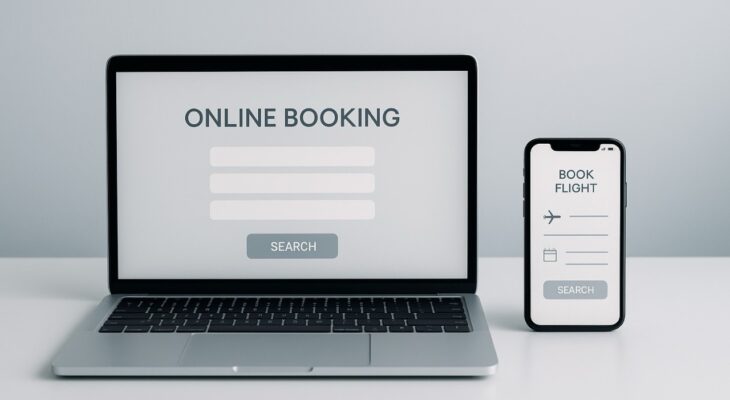
The travel industry is evolving to meet the demands of modern travelers who expect seamless digital interactions. Real-time communication tools are central to this transformation, offering businesses the opportunity to enhance customer satisfaction. By integrating tools like chatbots and instant messaging, travel companies can provide more personalized and efficient services. This technological shift not only improves the traveler experience but also streamlines operations, benefiting both customers and providers. For instance, an online booking system simplifies the reservation process, making it more convenient for users.
The Evolution of Real-Time Communication Tools in Travel
The shift towards real-time communication tools marks a pivotal change in how the travel sector interacts with its customers. Chatbots and instant messaging systems have become integral components of modern service strategies, allowing for continuous engagement throughout a traveler’s journey. These technologies enable timely responses to inquiries and requests, creating a more connected and responsive service environment.
Real-time communication tools have transformed how travelers receive information. Traditional methods such as phone calls or emails are being supplemented or replaced by these dynamic channels, enabling travelers to receive updates and assistance at their convenience. The immediacy of these tools ensures that issues are addressed swiftly, enhancing the overall travel experience and satisfaction.
Furthermore, the data generated through these interactions offers valuable insights into customer preferences and behavior, allowing travel companies to tailor their services more effectively. This continuous feedback loop helps in refining service offerings and anticipating customer needs, which is crucial in today’s competitive market.
The integration of artificial intelligence and machine learning has further enhanced the capabilities of real-time communication tools. These advanced technologies enable predictive responses, language translation and sentiment analysis, allowing travel companies to provide more sophisticated and nuanced customer interactions. By analyzing patterns in customer communications, AI-powered systems can anticipate common issues and proactively offer solutions, creating a more efficient and satisfying experience for travelers.
Benefits of Integrating Technology with Travel Operations
Integrating real-time communication tools with operational systems offers multiple benefits that enhance both customer interactions and operational efficiency. One significant advantage is the ability to streamline processes through automation, reducing the workload on staff while maintaining high service standards. With automated responses handling routine inquiries, staff can focus on more complex customer needs.
This integration enhances the overall travel experience by providing seamless interaction points across various stages of the journey. For instance, when these tools are linked with an online booking system, travelers can enjoy a smoother check-in process, access personalized recommendations during their trip and provide feedback effortlessly upon departure. This interconnected approach not only improves operational efficiency but also elevates the customer experience.
Additionally, integrated systems facilitate better resource management by providing insights into occupancy rates, customer preferences and service trends. This data-driven approach allows for informed decision-making and helps travel companies optimize their resources effectively.
The financial implications of technology integration are particularly noteworthy, as these systems often lead to significant cost savings through reduced operational overhead and improved resource allocation. By automating routine tasks and streamlining communications, travel companies can reduce staff workload while maintaining or even improving service quality. This efficiency translates into better profit margins and provides opportunities for reinvestment in further technological improvements, creating a positive cycle of innovation and growth.
Real-Time Communication Tools Elevate Customer Engagement
Personalized engagement has become a cornerstone of exceptional customer experiences in the travel sector. Real-time communication tools play a crucial role in this personalization by enabling companies to address queries and requests promptly. These tools offer customers the convenience of instant support, which can significantly enhance their satisfaction levels.
For example, chatbots can handle common inquiries about services or amenities 24/7, ensuring that customers always have access to the information they need. This immediate support helps in building a positive relationship with customers and encourages repeat business. Moreover, instant messaging platforms allow for direct communication between customers and service providers, ensuring personalized attention throughout their journey.
The ability to provide tailored services based on real-time feedback not only improves individual customer experiences but also fosters loyalty and positive word-of-mouth recommendations. As such, travel companies that leverage these technologies effectively stand to gain a competitive edge in attracting and retaining customers.
The integration of social media platforms with real-time communication tools has created new opportunities for engagement and brand building. Travel companies can now monitor and respond to social media mentions in real-time, address customer feedback publicly and leverage user-generated content to enhance their marketing efforts. This multi-channel approach to communication ensures that businesses can meet customers where they are most comfortable, whether through traditional customer service channels or modern social platforms.
Operational Efficiency Boosted by Seamless Digital Connections
Seamless digital connections significantly streamline travel operations by integrating various systems into a cohesive network. This integration allows for real-time data exchange between departments, leading to improved coordination and service delivery. As a result, companies can offer faster check-ins, streamlined service requests and efficient handling of issues.
The implementation of an online booking system integrated with communication tools exemplifies how technology enhances operational efficiency. Customers benefit from an intuitive booking process that automatically updates availability across all platforms. Meanwhile, staff can manage reservations more effectively without manual input errors or overbooking risks.
This comprehensive approach not only optimizes internal workflows but also enhances the overall customer experience by ensuring consistency across all touchpoints. Travel companies that embrace these technologies can thus achieve higher levels of operational excellence while delivering superior service quality.
The adoption of cloud-based solutions has revolutionized how travel companies manage their digital infrastructure. Cloud technology enables seamless scaling of operations, real-time updates across multiple locations and improved disaster recovery capabilities. This technological foundation supports the growing demands of modern travel operations while ensuring system reliability and data security. Additionally, cloud-based systems facilitate better integration with third-party services and partners, creating a more comprehensive and connected travel ecosystem.
Final Thoughts
In conclusion, the digital transformation of the travel sector is reshaping every aspect of how businesses operate and connect with customers. Real-time communication tools, powered by AI and cloud-based systems, are driving greater personalization, efficiency and satisfaction across the traveler’s journey. By embracing these innovations, travel companies can deliver seamless, responsive experiences that meet the expectations of today’s tech-savvy travelers.
As the industry continues to evolve, those that invest in smart integration and data-driven insights will not only enhance customer loyalty but also set new benchmarks for service excellence and operational performance in the modern travel landscape.

