
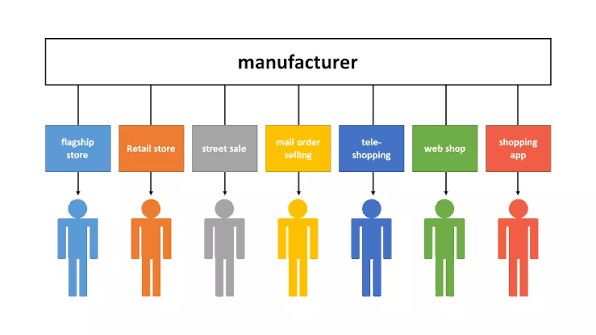
Selling through multiple e-commerce channels creates opportunities for growing brands, but it also adds operational work behind the scenes. A business might sell through Amazon, its own website, Shopify, and various marketplaces, and each channel can require inventory to follow a different path before reaching its destination.
The challenge isn’t just storage. Inventory also needs to be prepared, organized, labeled, packaged, and allocated differently depending on the channel, and when these tasks are split across separate vendors or disconnected systems, operations tend to get more complicated as sales grow.
A centralized Amazon FBA prep center addresses this by providing one location for receiving, handling, and preparing inventory before it moves to the right channel.
One Inventory Supply Can Support Multiple Sales Channels
Growing brands often receive inventory from suppliers in large shipments, then divide it across sales channels – some units for Amazon, others held for direct customer orders or promotions.
A centralized preparation process lets a business receive everything into one facility and decide from there how each unit should be handled, instead of running separate operations for each channel.
Products are organized by SKU and prepared based on their destination: some need marketplace-specific prep before shipment, others stay available for customer orders, and promotional items may be bundled while standard stock is stored individually.
This gives brands flexibility without a separate preparation operation for every channel.
Preparing Products Before They Enter Amazon
Amazon sellers need products properly prepared before inventory enters the fulfillment workflow – labeling, packaging, bundling, or inspection, depending on the product and requirements.
A structured preparation process handles these activities before inventory is routed to Amazon.
Preparation also functions as a checkpoint between suppliers and the next stage of fulfillment – products are received and organized before moving forward, which keeps incoming inventory easier to track.
For brands working with multiple suppliers or regularly adding new SKUs, a consistent workflow makes operations easier to manage.
Supporting Both FBA and FBM Strategies
Amazon fulfillment isn’t limited to one method. Some sellers use FBA for select products while keeping inventory on hand for direct fulfillment.
With Amazon FBM fulfillment, sellers keep responsibility for certain customer orders rather than sending every product into Amazon’s network.
That adds another inventory-management challenge: tracking which products are allocated to FBA, which are set aside for FBM, and whether any units are also being used for other channels.
A centralized operation keeps these workflows organized from one location, letting brands allocate products based on demand rather than treating FBA and FBM as entirely separate systems.
Product Preparation for More Than Amazon
Amazon is often an important channel, but many growing brands also sell through their own websites, marketplaces, and direct-to-consumer platforms.
That’s where multichannel fulfillment services come in.
Handling varies by where a product is sold or shipped: some orders need branded packaging, others use standard shipping materials, and promotional campaigns may require kits or bundles.
Centralizing this work makes preparation easier to manage without a separate warehouse process for every channel.
An ecommerce logistics provider can support a range of preparation needs while keeping the overall inventory workflow organized.
Reducing Unnecessary Product Movement
When multiple providers are involved, inventory often moves between locations before it’s ready to sell.
Products might arrive from a supplier, move to a preparation provider, then travel to a storage facility before finally reaching a fulfillment operation, and each extra handoff adds coordination and potential delays.
Working with a third party logistics company that covers multiple stages of the process can reduce that unnecessary movement.
Receiving, preparing, storing, and routing products from one centralized operation means fewer handoffs and a clearer view of where inventory is throughout the process.
Creating Flexibility for Changing Demand
E-commerce demand can shift quickly. A product may perform differently across channels, promotions can create sudden spikes, and businesses may add new platforms over time.
A flexible preparation and fulfillment system lets brands adjust how inventory is allocated – routing available products toward a channel where demand picks up, or adjusting preparation before orders begin if a promotion calls for bundled products.
The Advantage of a Centralized Fulfillment Location
A strategically located fulfillment center New Jersey can serve as a central location for receiving inventory, preparing products, storing stock, and processing orders.
Product preparation can also stay connected to order fulfillment services, so once products are prepared and stored, available units move into the right fulfillment workflow without additional transfers between providers.
That keeps the process connected from incoming inventory to final shipment.
Building a More Adaptable E-Commerce Operation
As a business grows, product preparation gets more complex, and more SKUs, channels, and fulfillment requirements add operational pressure.
Bringing these activities together into one coordinated workflow – marketplace preparation, FBM order fulfillment, inventory handling, storage, and support for multiple sales channels – gives a business a more adaptable system overall.
With the right preparation partner and logistics provider in place, brands can simplify product handling, cut unnecessary operational steps, and stay flexible as their e-commerce business grows

