
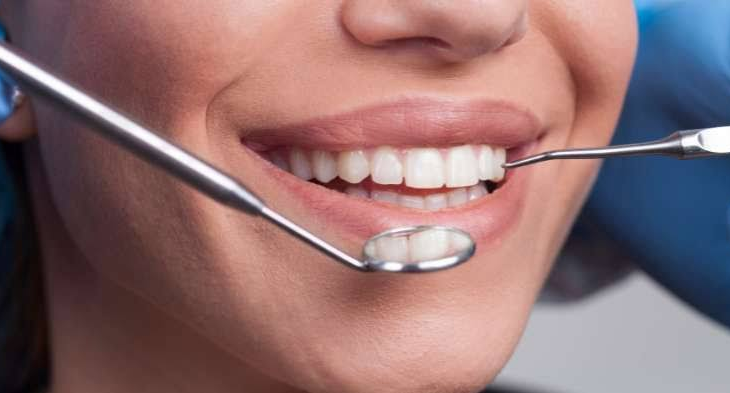
You might be feeling a mix of things right now. Maybe your family already keeps up with regular cleanings and checkups with a trusted Midlothian TX dentist, yet you still see a chipped front tooth in every photo, or your teenager hides their smile because of discoloration. You know you are doing the “right” things for oral health, but you still wonder if your family’s smiles could look better and feel more confident.end
That tension is real. You are not looking for vanity. You are looking for care that respects your family’s health, while also honoring how much a natural, confident smile matters in everyday life. You want to understand how cosmetic care fits with the trusted general dentistry you already rely on, without feeling pushed into anything you do not need.
Here is the short version. Cosmetic dentistry that enhances family care is not a separate world. It builds on the same foundation of prevention, restoration, and long-term health your family dentist already provides. When it is done thoughtfully, it can strengthen teeth, protect them from future damage, and help each family member feel proud of their smile, not just resigned to it.
Isn’t regular family dental care enough on its own?
Regular family care does a lot. Cleanings, exams, fillings, and sometimes root canals or crowns keep teeth healthy and functional. That alone is a big win. The challenge is that “healthy and functional” does not always mean “natural looking” or “confidence boosting.”
Think about a few common situations. A child fractures a front tooth on the playground and gets it repaired quickly, yet the color does not quite match the surrounding teeth. A parent who has always had slightly crooked teeth finally notices how much they avoid smiling in work photos. A grandparent has older fillings that stain easily and make them look like they have dark spots, even though the teeth are stable.
None of these are emergencies. Yet they all affect how a person feels when they walk into a classroom, a meeting, or a family gathering. Over time, that quiet self-consciousness can be draining. You might catch yourself thinking, “We already go to the dentist. Is this really the best our smiles can look?”
Because of this, you might wonder where cosmetic dentistry fits. Is it just whitening and veneers for influencers, or can it truly support the care families already trust?
How does cosmetic care build on general dentistry, not replace it?
Cosmetic care works best on a strong foundation. That foundation is the routine general dentistry you already know. Healthy gums, clean teeth, and well-treated cavities give cosmetic options something safe to attach to and protect.
Modern materials for fillings and bonding are designed to blend into natural tooth color and still be durable. The American Dental Association explains how tooth colored materials for direct restorations can both restore function and improve appearance when used thoughtfully. You can read more about these materials through the ADA’s overview of tooth colored filling materials.
So what can cosmetic care actually add to family dentistry? Here are a few examples that often surprise people.
1. Tooth colored fillings and bonding that protect and blend in
If you or your child has a cavity in a front tooth, a well-matched filling can repair the tooth and also keep the smile looking natural. Bonding can also reshape small chips, close small spaces, and smooth uneven edges, which often makes brushing easier and reduces plaque traps.
2. Whitening that refreshes a healthy smile
Once teeth are clean and gums are stable, professional whitening can safely reduce stains from coffee, tea, or certain medications. When supervised by a dentist, whitening is tailored to your enamel and sensitivity level, so you do not trade comfort for brightness.
3. Veneers and more advanced cosmetic options, when needed
For more complex concerns like deep staining, visible wear, or teeth that are misshapen, veneers or similar treatments may be recommended. Academic centers such as the UCSF cosmetic dentistry program and the University of Maryland cosmetic dentistry clinic often combine cosmetic and restorative thinking. They focus on appearance, bite comfort, and long-term stability together.
In other words, family focused cosmetic dentistry is not just about nice photos. It is about making sure that when a tooth is repaired, it looks, feels, and functions like it truly belongs in that person’s smile.
What are the tradeoffs between “good enough” and cosmetic upgrades?
You might still be weighing things in your mind. Is it worth investing in cosmetic changes if the teeth are already healthy? That is a fair question. Looking at a simple comparison can help you sort out what matters most to you and your family.
< td> Natural-looking repairs, increased confidence, easier cleaning in some cases
| Approach | What It Focuses On | Typical Benefits | Common Concerns |
|---|---|---|---|
| General dentistry only | Preventing and treating disease, basic repairs | Healthy teeth and gums, pain relief, functional chewing | Color or shape may not match perfectly, some visible repairs |
| Thoughtful cosmetic upgrades | Health plus appearance of teeth and smile line | Higher cost, more planning visits, insurance may not cover everything | |
| DIY or non dental cosmetic fixes | Surface appearance only, often without health evaluation | Lower up front cost, quick results in some cases | Risk of damage to enamel or gums, uneven results, no bite or health assessment |
Hospitals and health systems that offer cosmetic dental services, such as the University of Rochester Medical Center, consistently stress this point. Cosmetic care works best as an extension of a full oral health plan, not as a shortcut around it.
What practical steps can you take right now?
So, where does that leave you today? You may not be ready to commit to anything yet, but you can start getting clarity.
1. Ask your current dentist for a “smile health and appearance review”
At your next visit, say that you want to understand both the health and appearance of your teeth. Ask which teeth are purely a cosmetic concern and which might also benefit medically from upgraded materials or repairs. This separates “nice to have” from “smart to do.”
2. Prioritize concerns by impact, not by perfection
List what bothers you or your family members most. It might be a single dark filling on a front tooth, or uneven edges that catch the eye. Often, one or two carefully chosen treatments can change how a smile feels without rebuilding everything. This also helps you plan costs over time instead of trying to fix everything at once.
3. Ask about materials, maintenance, and lifespan before saying yes
For any cosmetic option, ask three direct questions. What material will you use and why? How long does it usually last? What do I need to do at home to protect it? This keeps the focus on long-term value, not quick fixes, and it reassures you that your general and cosmetic dentist is thinking about your future care, not just today’s visit.
Bringing health and confidence together for your family
If you are already committed to regular checkups, you have done the hard part. You have built a foundation of trust and health for your family. Cosmetic dentistry that supports family care is simply the next layer. It respects what you have already invested, and it asks a gentle question. How can we make these healthy smiles feel more like the way you want to show up in the world?
You do not have to choose between healthy teeth and a smile you enjoy seeing in the mirror. With the right guidance and a thoughtful general and cosmetic dentist, you can have both, one step at a time, in a way that fits your priorities and your budget.

