
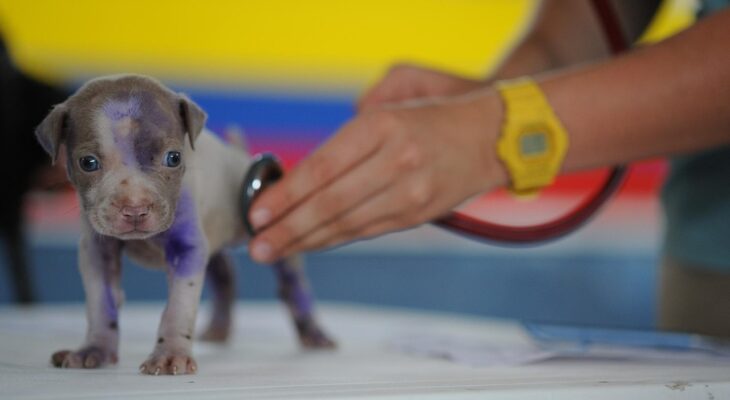
You find out there is a recall, then your mind goes straight to the same place every pet owner knows too well. Did my pet eat it, take it, get sick from it, and did I miss something? That spiral happens fast. Recalls involving food or medication feel personal because they land in your home, in your routine, and in the trust you placed in a product that was supposed to help. If you need guidance, a North West San Antonio veterinary clinic can help you figure out the next steps.
A general veterinarian is often the first place people turn when that trust breaks. Clinics do not just post a notice and move on. They review the recall, identify which patients may be affected, answer worried calls, check for symptoms, document what happened, and help you decide whether your pet needs monitoring, testing, or a medication change. How general veterinary clinics respond to pet food or medication recalls usually comes down to one goal, keep pets safe while giving owners clear next steps.
General veterinary clinics triage recall risks based on exposure and symptoms
Not every recall creates the same level of danger. Some involve labeling mistakes. Some involve contamination, potency problems, or a risk of serious injury. A clinic starts by sorting out the facts. Staff check the manufacturer notice, lot numbers, expiration dates, and the reason for the recall. The FDA keeps a running list of animal product recalls and withdrawals, which clinics often use to confirm details before advising clients.
Then comes the question that matters most to you. Was your pet actually exposed? If the answer is yes, the clinic looks at timing, amount, your pet’s age, current health, and what symptoms have shown up. A healthy adult dog who ate one meal from a recalled food may need home monitoring and a diet change. A cat with kidney disease that received a recalled compounded medication may need bloodwork quickly. The same recall can lead to very different advice depending on the patient.
This is where stress and cost start to build. You may be staring at an unopened bag of food, a bottle of medication, or a pet acting completely normal and still wonder if you should come in right away. Clinics know that uncertainty is hard. They also know overreacting can be expensive, while underreacting can be dangerous. That is why a veterinary recall response is usually structured, not rushed. The team gathers facts first, then matches the response to the actual risk.
Pet medication recall management often requires faster clinical decisions
Food recalls can sometimes allow a little room to observe. Medication recalls often do not. If a recalled drug treats seizures, heart disease, pain, or an endocrine disorder, stopping it suddenly may create its own danger. General veterinary clinics have to balance two risks at once, the recalled product and the condition the medication was treating.
A recent example is the FDA notice about certain compounded veterinary medications recalled by Wedgewood Pharmacy. In a case like that, clinics may review records to see which pets received the affected products, contact owners directly, and decide whether a replacement is needed right away. That can mean writing a new prescription, adjusting a dose, or scheduling an exam to make sure the pet stays stable during the switch.
Pet medication recall management also involves documentation. Clinics note the product, lot number, symptoms, conversations with the owner, and any treatment changes. If adverse effects are suspected, those details matter. They help the clinic coordinate follow up care and support any reporting that may need to happen.
General veterinarian teams monitor outbreaks and advisories beyond formal recalls
Some safety problems start before a formal recall is announced. A cluster of illnesses may trigger an advisory, or contamination concerns may spread across product categories before investigators narrow the source. Clinics often track FDA outbreaks and advisories for that reason. It helps them spot patterns earlier, especially when several clients call about similar symptoms.
You might see this play out when a clinic asks more detailed questions than expected. What exact brand was it? What flavor? When did you open it? Was it stored with other food? Did any other pets eat it? That level of detail is not red tape. It helps separate a one pet stomach upset from a broader product issue that may affect many animals.
Clinic recall response changes depending on the product risk
|
Recall situation |
Typical clinic response |
What you may be asked to do |
|---|---|---|
|
Labeling error with low health risk |
Confirm lot number, review symptoms, advise replacement or disposal |
Stop using the product, monitor at home, send photos of packaging |
|
Food contamination risk |
Assess exposure, check for vomiting, diarrhea, lethargy, dehydration |
Bring product information, watch stool and appetite, come in if symptoms start |
|
Medication potency or sterility concern |
Review medical history, decide on substitute medication, schedule exam if needed |
Do not stop the drug without instructions, confirm last dose, pick up replacement |
|
Outbreak advisory without full recall |
Track similar cases, increase screening questions, recommend caution |
Report symptoms early, save packaging, avoid suspect products |
Three steps you can take right away during a pet product recall
1. Check the exact product details. Look for the brand, lot number, expiration date, flavor, strength, and where you bought it. A recall rarely covers every item from a company. The clinic can give better advice when you have the package or a clear photo in hand.
2. Do not stop a prescription on your own. This matters most with heart, seizure, hormone, and pain medications. Call your general veterinarian first. The risk from missing doses may be higher than the recall risk for a short window, and your pet may need a replacement plan rather than a hard stop.
3. Write down symptoms and timing. Note when your pet last ate the food or took the medication, when symptoms started, and what you are seeing now. Appetite changes, vomiting, diarrhea, weakness, tremors, thirst, and behavior shifts all help the clinic decide whether this is home monitoring or same day care.
Clear communication is what makes a veterinary recall response work
Most recalls are stressful because they create a gap between what you know and what you fear. A good clinic closes that gap with direct advice, careful record review, and follow up that fits the real level of risk. That is what people usually mean when they talk about how clinics handle pet food recalls or medication alerts. It is not one script. It is a process built around your pet’s exposure, health status, and symptoms.
See more: 5 Questions To Ask About Hospital Care After A Pet Swallows Baclofen
If you think your pet may have been exposed to a recalled food or medication, contact your general veterinarian as soon as possible. Bring the packaging, your questions, and the details you have. You do not need to have it all figured out before you call.

