
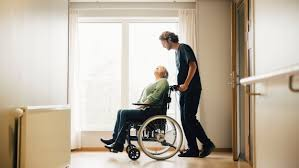
Patient Care Assistants (PCAs) are a cornerstone of quality care in today’s healthcare facilities, providing direct support to patients and relieving essential workload from medical staff. Their day-to-day responsibilities encompass everything from assisting with personal hygiene and mobility to monitoring vital signs and ensuring comfortable, dignified patient experiences. For many patients, especially those in hospitals or long-term care, PCAs are the frontline caregivers, building trusted relationships and providing practical and emotional support.
The increasing demand for competent PCAs has spotlighted the importance of comprehensive training programs that can be accessed flexibly online and in traditional settings. Those looking to enter this rewarding field or advance their skills benefit from reputable PCA training online courses that ensure learners have the necessary knowledge for today’s healthcare challenges, emphasizing areas like infection control, patient safety, and person-centered care.
Impact of Training on Patient Outcomes
Proper PCA training significantly enhances patient outcomes, with patients reporting higher satisfaction, fewer emergency department visits, and fewer falls. This is because of the hands-on care PCAs provide and their ability to detect early health declines. Investing in ongoing education and skills development is essential for maintaining high care standards. Digital tools and applications, such as mobile apps like WoundAIssist, streamline routine tasks and support data-driven decisions. Wearable devices and electronic health records (EHRs) also help PCAs monitor patient health metrics in real-time, communicate effectively with nursing and medical staff, and actively participate in care planning. These tools enable healthcare teams to deliver more coordinated, efficient, and responsive patient care.
Addressing Healthcare Workforce Challenges
The healthcare sector is currently experiencing significant workforce shortages, particularly in nursing and support roles. To address these gaps, innovative staffing solutions are gaining traction, with hospitals employing additional support personnel such as Patient Attendant Service Aides (PASAs). Research suggests that incorporating these positions relieves pressure on nursing and allied health staff, contributing to better morale, reduced turnover, and enhanced patient care delivery. These roles, when adequately trained and integrated, can fill critical gaps and allow for more specialized staff members to focus on their primary responsibilities.
Policy Reforms to Empower PCAs
Legislative efforts increasingly acknowledge the positive impact of empowering PCAs and other allied health professionals. A notable example is North Carolina’s recent law removing outdated supervisory requirements for physician assistants. This legislative change allows for greater workforce flexibility, especially in rural and underserved communities. It enables physician assistants and other trained healthcare workers to practice closer to the top of their credentials and training.
Policy reforms like these aim to expand patient access to timely, quality care while addressing persistent staffing shortages that threaten system-wide healthcare delivery. States and organizations across the country are closely watching these developments as models for future reforms
Conclusion
Patient care assistants are indispensable to the fabric of quality healthcare, driving improvements in patient satisfaction, safety, and outcomes. By prioritizing effective training, embracing technological innovation, supporting workforce expansion, and enacting thoughtful policy reforms, healthcare systems can ensure that PCAs are well-equipped and empowered to meet the evolving needs of patients and the wider care team. Investing in PCA development today lays the foundation for a more robust, compassionate, and effective healthcare system for tomorrow.
