
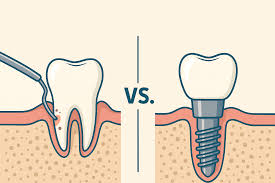
You might be feeling a mix of relief and worry right now. Relief because you finally have dental implants in place and can smile and eat again. Worry because you have heard stories of implants “failing” after a few years, or maybe your gums feel a bit sore or bleed when you brush, and you are wondering if something is wrong. Dental Implant & Laser Surgical Specialists in Santa Ana
It often starts with a small change. A little redness around the implant. A bit of bad taste. Maybe your hygienist gently mentions “inflammation” and suggests seeing a periodontist. Suddenly the question appears in your mind. Did I go through all that surgery and expense only for these implants to be at risk?
You are not overreacting. Implants are a serious investment, both emotionally and financially. The good news is that with the right periodontal therapy, you can protect that investment and help your implants last for many years. In simple terms, healthy gums and bone are what keep implants stable. Periodontal care is how you keep those foundations strong.
So here is the short version. How periodontal therapy enhances the longevity of dental implants comes down to three things. It controls inflammation before it becomes destructive. It keeps the bone around your implants healthy. It gives you a clear plan for home care and professional maintenance so problems are caught early, not when it is too late.
What really threatens dental implant longevity?
Most people are told that implants cannot get cavities, which is true, and it can sound reassuring. Because of that, you might assume they are almost maintenance free. Then you hear words like “peri implant mucositis” or “peri implantitis” and suddenly it feels confusing again.
Here is the reality. Implants do not decay, but the gums and bone around them can become infected in a way that looks very similar to gum disease around natural teeth. This group of problems is called peri implant diseases. If you want a deeper clinical overview, the American Academy of Periodontology has a helpful page on peri implant diseases and how they affect implants.
The early stage is usually peri implant mucositis. The gums are inflamed and may bleed, but the bone is still intact. At this stage, with proper periodontal therapy and home care, the condition is often reversible. If nothing changes, it can progress to peri implantitis. This is more serious. The infection begins to destroy the bone that holds the implant in place. Once bone is lost, it is much harder to fully recover.
So where does that leave you? It means the real threat to your implant is not one dramatic event. It is slow, quiet inflammation that builds up over time. Periodontal therapy is what interrupts that process.
How does periodontal therapy protect your dental implants?
Think of periodontal care and implant care as part of the same story. You cannot have long lasting implants without healthy gums and bone. A dental implant maintenance program guided by a periodontist or implant dentist is designed to do three specific things.
First, it removes the bacterial film and hardened deposits that collect around the implant. These deposits are often in tiny spaces that regular brushing and flossing simply cannot reach well. Over time, this buildup triggers inflammation. Professional cleaning around implants uses special tools and techniques that are gentle enough for the implant surfaces but thorough enough to reduce the bacteria that cause disease.
Second, periodontal therapy monitors the health of the tissues around each implant. That means checking for bleeding, pocket depths, gum recession, and early bone changes on X rays. The goal is to catch peri implant mucositis while it is still limited to the soft tissue. The Scottish Dental Clinical Effectiveness Programme describes how early treatment of peri implant mucositis can prevent progression to more serious disease. In other words, early action can save you from much more complex procedures later.
Third, periodontal therapy gives you tailored home care guidance. You may be using the wrong brush, the wrong floss, or struggling to clean around the implant crown shape. A periodontist can show you specific tools and techniques that fit your mouth and your implants, so your daily routine actually supports long term implant health.
Without this kind of attention, the risks start to stack up. Ongoing inflammation can lead to bone loss around the implant. This can mean gum recession, food trapping, sensitivity, and, in advanced cases, implant loosening or loss. Treatment at that stage is more invasive, more expensive, and not always successful. Continuing education resources such as the Merck Manual on peri implant diseases and conditions outline how complex these situations can become.
Is specialized periodontal care really worth it for implants?
You might be wondering if you truly need a periodontist or if regular cleanings are enough. That is a fair question, especially if you are already managing the cost of your implants.
It helps to compare the options. The table below outlines some key differences between relying only on basic hygiene visits and following a structured periodontal and implant maintenance plan.
| Approach | What It Typically Includes | Short Term Impact | Long Term Impact On Implant Longevity |
|---|---|---|---|
| General cleaning only | Standard scaling and polishing around teeth and implants | Teeth and implants feel clean, breath improves temporarily | Higher risk that early peri implant inflammation is missed or under treated |
| Structured periodontal maintenance | Specialized cleaning around implants, pocket measurements, regular X rays, tailored home care | Improved gum health, less bleeding, clearer understanding of your risks | Lower risk of peri implantitis, better chance your implants last many years |
| “Wait and see” approach | Visits only when there is pain, swelling, or obvious problems | Costs less in the very short term, but symptoms may already be advanced | Greater chance of bone loss, complicated surgery, or implant loss, with much higher future costs |
For many people, the real cost is not just money. It is the stress of worrying whether their implants will hold up, the fear of more surgery, and the emotional weight of possibly losing their smile again. A thoughtful maintenance plan with a periodontist or implant dentist is about reducing that anxiety as much as it is about protecting the metal and porcelain in your mouth.
Three practical steps to protect your implants starting now
1. Schedule a periodontal evaluation for your implants
Even if everything feels fine, ask for a focused check of your implants with a periodontist or an implant focused dentist. This visit should include measuring the gums around each implant, checking for bleeding, reviewing X rays, and discussing your medical history, smoking status, and bite. You want to know your current risk level and what a realistic maintenance schedule looks like for you.
2. Upgrade your daily cleaning around implants
Brushing twice a day is important, but it is often not enough for implants. Ask your dental team to physically show you how to clean around each implant. This might include using an interdental brush sized correctly for your spaces, super floss or floss threaders under implant bridges, or a water flosser in specific areas. The key is consistency. A simple routine that you can stick with every day will do more for long term implant success than a complicated routine you cannot maintain.
3. Commit to a regular periodontal maintenance schedule
For many people with implants, twice a year cleanings are not sufficient. Your periodontist may recommend visits every three or four months, especially if you have a history of gum disease, diabetes, or smoking. This is not over treatment. It is preventive care that helps avoid painful and expensive problems later. During these visits, your provider can adjust your home care plan as needed and catch any early signs of trouble.
Protecting your smile for the long haul
You went through a lot to get your implants. Surgery, healing time, financial planning, and the emotional hope that this would be a long term solution. It is completely reasonable to want those implants to last as long as possible.
The encouraging truth is that you are not powerless here. With thoughtful periodontal therapy, regular monitoring, and a realistic home care routine, you can greatly improve the odds that your implants remain stable and comfortable for many years. Periodontal and implant care is not just about treating disease when it shows up. It is about quietly protecting the foundation of your smile, appointment by appointment and day by day at home.
If you are worried about tenderness, bleeding, or just uncertain about how well you are caring for your implants, reach out to a trusted periodontist or implant dentist and ask for a focused implant maintenance visit. Your future self will be glad you did.

