
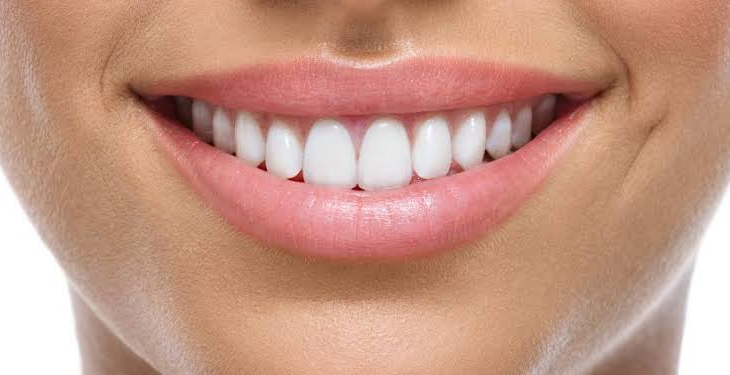
You notice it in photos first. One side of your smile lifts higher, a front tooth looks a little off center, or the gums show more on one side than the other. It can feel small until you see it every day, then it stops feeling small at all. When you are considering implants or cosmetic work with a Boston cosmetic dentist, that unevenness starts to matter more because you are not just replacing a tooth or whitening enamel. You are trying to restore balance to your face in a way that still looks like you.
How smile symmetry influences dental implant and cosmetic outcomes comes down to one simple truth. Teeth do not exist on their own. Their shape, position, color, and angle all affect the lips, gums, bite, and the way your face reads when you speak or smile. A result can be technically sound and still look wrong if symmetry is ignored. A skilled implant and cosmetic dentist plans for both function and appearance so the final result feels natural, stable, and proportionate.
Smile symmetry shapes both beauty and function
Symmetry is not about making both sides of your face identical. Natural faces are not identical. What matters is harmony. Your midline, gum line, tooth width, lip movement, and bite all work together. If one implant crown is slightly too long, too bright, or set at the wrong angle, your eye goes straight to it. That is why balanced smile design matters so much in cosmetic and restorative care.
This gets more complicated with dental implants because implants do not move like natural teeth. Once an implant is placed, changing position is not simple. If the implant is a few millimeters off, the restoration may force a compromise in crown shape or gum contour. That can leave you with a tooth that functions well enough but never quite blends in.
Research on oral health keeps pointing to the broader impact of dental conditions on quality of life, including comfort, appearance, and social confidence. The National Institute of Dental and Craniofacial Research addresses these links in its Oral Health in America report. People do not seek treatment only to chew better. They want to speak, smile, and show up in public without thinking about their teeth every few minutes.
Implant placement affects cosmetic outcomes long before the final crown
You might assume the visible crown is the main cosmetic piece. In reality, the cosmetic outcome often starts with the scan, the bite records, and the implant angle. If the bone has shrunk after tooth loss, the implant may need grafting support before placement. If that step is skipped or rushed, the gum line can collapse, and the final tooth may look longer or flatter than the one next to it.
Front teeth raise the stakes. A tiny asymmetry near the center of your smile is easier to spot than a mismatch in the back. The same is true when several treatments are combined, such as veneers on one side and an implant on the other. Without a full plan, one area can end up too uniform while another still looks uneven. That contrast draws attention in the worst way.
Current literature also shows how esthetic success depends on careful planning of hard tissue, soft tissue, and prosthetic design together. A review available through PubMed Central discusses the factors that shape implant esthetics, including tissue contour and crown emergence. That is the difference between a replacement tooth that disappears into your smile and one that always looks like a replacement.
Symmetry problems often start small but become expensive later
A slight tilt, a gum height mismatch, or a centerline that drifts by a few millimeters may not sound serious. In real life, those details can lead to remakes, added procedures, and months of frustration. You may need provisional restorations, gum contouring, bite adjustment, or replacement of cosmetic work that looked acceptable on a model but off in your face.
That is where people feel stuck. They want to save money, but they also do not want to pay twice. They want fast treatment, but they know rushed work in the smile zone rarely ages well. A good outcome usually comes from planning backwards from the final appearance, not forward from the first available opening on the schedule.
Professional smile analysis creates more predictable implant and cosmetic dentistry results
| Approach | What Happens | Likely Outcome |
| Single tooth focus only | The implant or veneer is planned around the missing or damaged tooth without full facial and bite analysis. | Function may be acceptable, but symmetry, gum levels, and color match can look off. |
| Full smile analysis before treatment | Midline, lip line, bite, tissue levels, tooth proportions, and facial balance are reviewed before work begins. | Higher chance of a natural looking result that blends with your face and existing teeth. |
| Immediate cosmetic shortcut | Treatment moves quickly with limited mockups or provisional testing. | Faster finish, but more risk of remakes, bite issues, or visible asymmetry. |
| Staged implant and cosmetic dentist planning | Bone, gum support, provisional shapes, and final materials are sequenced carefully. | More predictable esthetics, better tissue support, and stronger long term stability. |
Small planning steps can protect your smile investment
Ask for a full facial and smile evaluation. You want more than a tooth by tooth exam. Ask how the dentist evaluates your midline, gum display, lip movement, bite, and tissue symmetry. If implants are involved, ask how placement will support the final crown shape, not just osseointegration.
Request a preview of the final design. Digital smile planning, wax ups, or temporary prototypes can reveal problems before anything is final. This is especially useful if you are combining dental implants and cosmetic dentistry in the front of the mouth, where small errors are easier to see.
Discuss long term maintenance and revisions upfront. Ask what happens if the gum line changes, the color match shifts, or the bite feels off after placement. A clear plan for follow up care protects both your result and your budget.
If your smile has felt uneven for a while, you are not imagining it, and you are not being too picky. The details that bother you are often the same details that shape whether treatment looks seamless or obvious. The right implant and cosmetic dentist treats symmetry as part of function, not an extra touch. When your plan respects that, your result has a much better chance of looking natural, feeling comfortable, and lasting well.

