
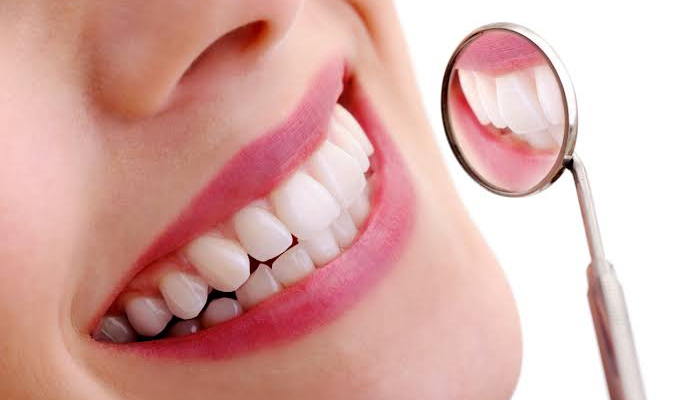
You might be feeling a mix of curiosity and worry about how much dentistry has changed. Maybe you remember long, uncomfortable appointments, messy impressions, and that feeling of not really knowing what your smile would look like until everything was done. Now you keep hearing about digital scans, 3D printing, and AI, and you might wonder if all this technology is actually for you, or if it is just more cost and more confusion. A Forest, MS dentist can help you understand which of these advances truly matter for your comfort, results, and long-term oral health.
Because of this tension, you might feel stuck. You want strong, healthy teeth, you might be thinking about cosmetic work, or you may need restorative care like crowns or implants. At the same time, you do not want to be a “test case” for something you do not understand. That hesitation is completely normal.
The short version is this. Modern technology in general, cosmetic, and restorative dentistry is not about replacing your dentist. It is about giving them better tools to diagnose problems earlier, plan your treatment more precisely, and help you see and understand your options before you commit. It can mean fewer visits, less discomfort, and more predictable results, whether you need a simple filling, a cosmetic upgrade, or full mouth restoration.
Is technology really changing general, cosmetic, and restorative dentistry for the better?
Think about a common situation. You feel a little twinge when you chew on one side, but you put it off, because the last time you had dental work it took several appointments and you walked out with a numb face and a temporary crown that never felt quite right. The memory alone makes you wait until the pain becomes hard to ignore.
This is one of the big problems traditional dentistry faced. Diagnosis often relied on what the dentist could see with their eyes and on basic X rays. Treatment sometimes involved guesswork. Your crown or veneer was shaped based on physical molds that could distort. You hoped it would fit, but you would not really know until it was glued in your mouth.
Now picture a different path. Your dentist uses a small wand to take a digital scan of your teeth in a few minutes. No trays, no goop, no gagging. That scan is turned into a 3D model on a screen. You can see the crack in your tooth, the wear on your bite, and how your upper and lower teeth meet. Instead of you having to trust blind, you can actually see what is going on.
So where does that leave you if you are thinking about general care, cosmetic improvements, or restorative work like crowns or implants?
For general dentistry, technology can mean earlier detection and more conservative treatment. Digital X rays use lower radiation than older systems and show sharper images. Intraoral cameras let your dentist show you tiny fractures or early decay before you ever feel pain. The American Dental Association has shared how digital dentistry tools support this kind of care and practice management, which helps both patients and providers. You can see an overview of these tools in the ADA’s digital dentistry and technology resources.
For cosmetic dentistry, the old fear was “What if I hate how it looks?” Technology gives you previews and mock ups. Digital smile design uses photos, scans, and software to simulate how whitening, bonding, or veneers might change your appearance. You can talk about tooth shape, color, and even how your smile supports your lips and face. Instead of hoping the final result matches what you imagined, you and your dentist can work from the same picture from the beginning.
For restorative dentistry, precision and planning matter even more. Implants, bridges, and full mouth reconstructions affect how you chew, speak, and age. Digital tools help plan these treatments around your bone, your bite, and your long term health. Organizations such as the American College of Prosthodontists highlight how digital workflows improve fit and function for complex restorations. You can explore these ideas through their overview of digital prosthodontics and restorative solutions.
The concern many people have is cost. Advanced tools can sound expensive, and sometimes they are. Yet they can also prevent costly problems later. A crown that fits well the first time, an implant placed with accurate imaging, or a veneer that does not need to be redone can save you both money and stress over the years.
How do digital tools compare with traditional methods day to day?
It can help to see the differences side by side. Technology in modern general and cosmetic dental care is not just about shiny equipment. It changes your experience from the moment you sit in the chair.
| Aspect | Traditional Approach | Technology Enhanced Approach |
|---|---|---|
| Impressions for crowns, bridges, or aligners | Physical trays with impression material, risk of gagging, may need retakes if distorted | Digital scanning with a handheld camera, fast capture, immediate on screen review, fewer retakes |
| Diagnosis of decay and cracks | Visual exam and basic X rays, small issues can be missed until they worsen | High definition digital X rays and intraoral cameras, earlier detection, patient can see the problem |
| Planning cosmetic changes | Verbal descriptions and basic models, harder to predict final look | Digital smile design with photos and 3D models, preview of shape and color before treatment |
| Creating crowns and veneers | Lab work based on physical molds, multiple visits, temporary restorations in between | CAD/CAM design, often with in office milling, more precise fit, sometimes same day results |
| Planning implants and complex restorations | 2D X rays and manual measurements, more uncertainty in placement | 3D imaging and guided surgery planning, better alignment with bone and bite, fewer surprises |
Dental schools and research centers are investing heavily in these tools, which tells you this is not a passing trend. For instance, the University of Pennsylvania has shared how digital workflows affect diagnosis, treatment planning, and the way dental teams collaborate. If you are curious about the science behind these changes, you can look at their digital dentistry report.
So, what does this mean for you right now, sitting with questions about your own teeth, your smile, and your budget?
What can you do today to make technology work for your smile, not against it?
You do not need to become a tech expert to benefit from technology driven restorative and cosmetic dentistry. You only need a few clear steps and the willingness to ask direct questions.
1. Ask your dentist what digital tools they use and how those tools help you
At your next visit, treat this like any other important purchase. Ask which technologies are used for diagnosis and planning. You might hear terms like digital X rays, intraoral scanners, 3D imaging, or CAD/CAM. Then ask, in plain language, how each tool improves accuracy, comfort, or long term results for your specific situation. A good dentist will answer clearly and connect the technology to your needs, not just to “being modern.”
2. Request to see what your dentist sees
If your dentist uses digital scans or cameras, ask them to show you the images. When you can see a crack, a worn filling, or misaligned teeth on the screen, decisions feel less mysterious. For cosmetic changes, ask if they can show a mock up or preview of your potential smile. This can help you decide how far you want to go and what fits your comfort level and budget. Shared visuals reduce regret and “I did not expect it to look like this” moments.
3. Weigh the short term cost against long term value
Technology can sometimes add a line item to the bill, but it can also prevent repeated treatments. Ask your dentist to compare options. For example, is there a difference in expected lifespan between a digitally planned crown and a lower cost alternative. Are there fewer visits or less risk of needing a remake. Frame your decision around durability, comfort, and how often you are likely to need more work on the same tooth. This helps you choose what is right for you, not just what is cheapest today.
Where do you go from here with your general, cosmetic, and restorative care?
You do not have to love technology to benefit from it. You only need to insist that it serves your health, your comfort, and your confidence, not the other way around. If you feel anxious about dental visits or unsure about recommended treatments, that is understandable. Many people carry old memories of long procedures and uncertain outcomes.
With the right questions and a dentist who uses modern tools thoughtfully, advanced dental care can feel more transparent and predictable. You can see what they see, understand why they recommend certain steps, and have a clearer picture of how your smile might look and feel after treatment.
The next move is simple. Schedule a checkup or consultation, bring your questions about technology, and notice how your dentist responds. You deserve care that respects your concerns, uses the best tools available, and helps you move from worry to clarity about your teeth, your smile, and your future comfort.

