
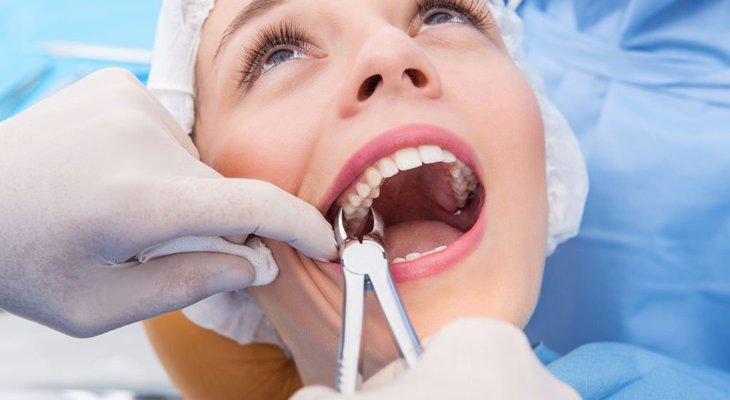
Losing a tooth can feel like a shock. You worry about your smile, your bite, and your next meal. You may ask a hard question. Can a tooth be removed and replaced on the same day? Immediate implants offer that choice in some cases. You leave with a new tooth in place instead of a gap. That promise sounds fast and simple. It is not. It depends on your bone, your gums, and your health. It also depends on the skill of your implant dentist Queens. This blog explains when same-day implants are safe, when they are risky, and what you should expect. You will see what happens during the visit, how the implant heals, and what pain or limitations you may face. You deserve clear facts before you say yes to treatment.
What is an immediate implant
An implant is a small metal post that sits in your jaw and holds a crown. A crown is the tooth you see when you smile. With a standard implant, your dentist removes the tooth, lets the bone heal, and then places the implant months later. You live with a gap or a temporary tooth during that time.
With an immediate implant, the dentist removes the tooth and places the implant on the same day. You often leave with a temporary crown on that implant. The final crown comes later, after the bone heals.
The goal is simple. You walk out with a full smile and a tooth you can see, instead of a space.
Who can get a same-day implant
Not every person can get an immediate implant. The bone and gums must support the post from day one. Your health must support healing.
Your dentist will look at three main things.
- Bone height and width in the spot of the missing tooth
- Gum health and any infection or swelling
- Your medical history and medicines
Strong bone and clean gums give the best chance. Heavy smoking, poorly controlled diabetes, or strong blood thinners can raise the risk of problems. Radiation to the jaws or some immune conditions can block implant use.
The dentist may use dental X-rays or a 3D scan to measure your bone.
Benefits of immediate implants
When you are a good match, same-day implants can give three clear gains.
- You avoid a gap in your smile
- You often need fewer visits
- You protect the bone that might shrink after a pull
Many people feel less self-conscious when they do not need a removable fake tooth. You may also miss fewer days from work or school.
Risks and limits you must know
The speed of same-day treatment can hide real risk. The main risk is implant failure. The post might not join with the bone. It can move or feel loose. You might need to remove it and start again.
Risk rises if you bite on the new tooth too soon. It also rises if the bone was thin to start with. Infection, swelling, or pain that gets worse can signal a problem.
Studies show that both standard and immediate implants can work well, but good choices matter. The Centers for Disease Control and Prevention explains that tooth loss links to gum disease and other health issues. That same gum and bone health also shapes implant success.
What to expect during the visit
Your visit for an immediate implant often follows three steps.
- Tooth removal and cleaning of the socket
- Implant placement into the fresh socket
- Placement of a temporary crown or cover
First, the dentist numbs the tooth. Then the tooth is removed with care to protect the bone. The dentist cleans the space and removes infection or tissue that does not support healing.
Next, the dentist drills a small channel in the bone and places the implant. The post must feel solid. If it moves, an immediate crown is not safe.
Last, the dentist may place a temporary crown that stays out of the full bite. Or the dentist may place a small healing cap and use a removable tooth to fill the gap while you heal.
Healing time and what you feel after
The bone still needs time to grow around the implant. This process often takes three to six months. During that time, you protect the site.
Right after the visit, you may feel sore. Your face may swell a little. You may see a small bruise. Pain pills from the store are often enough. Follow your dentist’s instructions for cold packs, rest, and cleaning.
Call your dentist if you notice three warning signs.
- Pain that gets stronger after the second day
- Swelling that spreads or feels tight
- Bad taste with thick fluid from the site
How immediate and standard implants compare
This table shows key differences between same-day and standard implant timing. It is a guide and not a rule for every case.
| Feature | Immediate implant | Standard implant |
|---|---|---|
| When implant is placed | Same visit as tooth removal | Three to six months after removal |
| Gap in smile | Often none, a temporary tooth is placed | Gap or removable tooth during healing |
| Number of visits | Often fewer total visits | Often more visits over a longer span |
| Need for bone graft | Sometimes done at the same time as the implant | Sometimes done before implant |
| Who is a good match | Strong bone and clean gums with low risk health | Can work for more people with bone repair first |
| Main risk | Stress on implant from early bite or thin bone | Longer time with gap and more steps |
How to protect your new implant
Once you have an implant, your daily care matters. You protect the post and the bone around it.
- Brush two times a day with a soft brush
- Clean between teeth once a day with floss or small brushes
- Keep regular cleanings and checkups
Try to stop smoking. Control blood sugar if you have diabetes. Share all medicines with your dentist. Some medicines can change how bone heals.
How to decide if same day is right for you
You do not need to decide alone. Ask your dentist three clear questions.
- Is my bone strong enough for a same-day implant
- What are my risks based on my health
- What is your experience with immediate implants
If your case is complex, ask for a second view from a specialist. Bring your X-rays and any scans. A careful plan now can save you pain and cost later.
Tooth loss is hard. You may feel fear or shame. You deserve straight talk and steady care. With the right match of timing, skill, and health, an immediate implant can replace your tooth the same day and give you a strong base for a lasting smile.

