
Table of Contents
- Introduction
- Design Trends in Modern Garage Doors
- Material Choices for Durability and Aesthetics
- Integration of Smart Technology
- Energy Efficiency and Insulation
- Maintenance Tips for Longevity
- Conclusion
Garage doors have evolved from functional barriers to key design elements that enhance curb appeal, energy efficiency, and home security. As architectural trends progress and homeowners seek more innovative, more sustainable solutions, selecting the right residential garage doors can elevate a property’s entire exterior. Modern garage doors blend innovation and style, making them a significant investment for today’s households. Choosing a garage door involves balancing aesthetics with practical considerations like customizability, insulation, and connectivity. Current options include attractive finishes, contemporary designs, advanced materials, and technologies that cater to various lifestyles. Whether you prioritize visual appeal, durability, or smart home integration, today’s garage door landscape provides solutions for every requirement.
Upgrades such as glass-inset panels, energy-efficient insulation, and wireless operation are shaping homeowner expectations across North America. These developments improve daily convenience and can even increase property values. Exploring the range of choices—from classic wood to futuristic composites—allows homeowners to make informed decisions tailored to their climate and usage needs. Regular maintenance and prompt repairs are essential for keeping your garage door functioning well over time. Professional garage door servicing ensures safety and extends your investment’s lifespan, helping avoid unexpected breakdowns or costly replacements.
Choosing the right garage door can also enhance curb appeal, making a strong first impression on visitors and potential buyers. Additionally, modern doors often incorporate innovative technology, offering remote monitoring and automated security features for added peace of mind.
Design Trends in Modern Garage Doors
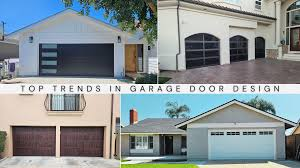
Sleek, contemporary garage doors now dominate new builds and renovations. The latest trend features clean, minimalist styles that complement popular architectural themes, from mid-century modern to industrial chic. Homeowners increasingly prefer door designs with flush panels and bold horizontal lines that create a streamlined appearance. Glass panel doors framed in durable aluminum are another top choice, allowing natural light while maintaining security. Mixed materials—such as rich wood overlays combined with metal or glass—allow for custom touches and textural contrast. This trend enhances the look of a home’s façade and adds uniqueness and personalization, making the garage door a defining aspect of the property.
Material Choices for Durability and Aesthetics
Material selection is crucial to ensure your garage door withstands the elements while complementing your home’s style:
- Steel: Resilient and versatile, steel garage doors are the standard in durability. With multiple insulation choices and patterns, homeowners can select the strength and appearance that fits their needs while enjoying relatively low maintenance. Modern finishes, such as woodgrain embossing or baked-on paint, enable steel doors to suit any exterior design.
- Aluminum: Naturally resistant to rust and corrosion, aluminum is ideal for contemporary designs, especially those leveraging glass paneling to maximize daylight. The material’s light weight makes it easy to operate, and maintenance requirements are minimal compared to heavier options.
- Wood: Wood garage doors remain a classic, offering warmth and elegance unmatched by synthetic materials. However, they require regular maintenance, including painting or staining, to prevent warping or deterioration.
- Fiberglass: Simulating the look of authentic wood grain, fiberglass provides a lightweight, dent-resistant alternative that holds up well in humid climates. Its insulation properties, while not as high as polyurethane foam, are adequate for many homeowners.
- Composite Materials: These doors, made from recycled fibers and resins, merge the appearance of natural wood with improved durability and low maintenance demands. They are popular among eco-conscious homeowners for their sustainable composition.
Climate, desired maintenance level, and budget should all influence material selection for your new garage door. For further guidance on materials and energy performance, visit the U.S. Department of Energy’s insulation resource.
Integration of Smart Technology
Innovative technology has revolutionized how homeowners use and secure their garage doors. Modern openers connected via Wi-Fi offer remote control through smartphone apps—allowing homeowners to open, close, and monitor their garage doors from virtually anywhere. This is ideal for busy families or those seeking extra peace of mind.
Features like real-time alerts, integration with platforms such as Amazon Alexa and Google Assistant, and auto-close functions are quickly becoming standard. Some advanced systems even include built-in security cameras, motion sensors, or keypad access, providing added convenience and protection. According to CNET’s guide to smart garage door openers, these tools can significantly improve home security and energy management.
Energy Efficiency and Insulation
Garage doors greatly affect overall home energy use, especially when garages share walls with main living spaces. Insulated garage doors, often using layers of polyurethane or polystyrene, offer superior temperature regulation by trapping conditioned air inside. These insulation materials can also help dampen outside noise and prevent condensation.
Homeowners should pay close attention to the door’s R-value, a measure of thermal efficiency. A higher R-value is particularly beneficial in extreme climates. Weather seals around the door’s perimeter are an essential finishing touch—keeping out drafts, debris, and moisture. Effective insulation and sealing mean less energy is needed to keep your home comfortable year-round.
Maintenance Tips for Longevity
Inspect and Lubricate Moving Parts: Check rollers, hinges, and tracks monthly and apply a suitable lubricant to reduce noise and friction.
Test the Door’s Balance: Periodically disconnect the opener and lift the door by hand to ensure it stays balanced. If the door moves or doesn’t stay put, a technician may need to adjust the springs.
Examine Weather Seals: Inspect all bottom and perimeter weatherstripping for gaps or brittleness, replacing as needed to maintain insulation and keep out pests.
Clean and Touch Up: Remove grime from panels, and repaint or reseal wood doors every couple of years to guard against weathering and decay.
Schedule Professional Inspections: A qualified technician’s annual safety inspection and tune-up can detect problems early and extend the lifespan of your garage door system.
For further tips on seasonal garage door care and the importance of regular upkeep, consult resources such as Family Handyman’s garage door maintenance guide.
Conclusion
Modern residential garage doors combine innovative materials, attractive designs, and smart technology to enhance home value and convenience. Homeowners can ensure their garage doors provide years of safe, stylish, and functional service by staying informed about current trends, investing in quality materials, leveraging energy-efficient solutions, and adhering to sound maintenance practices.

