
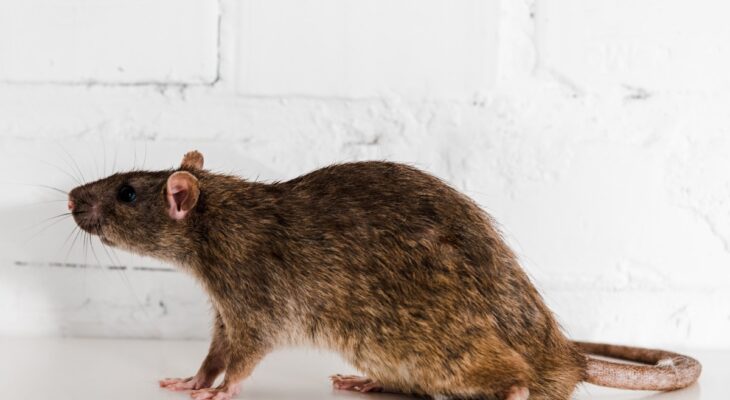
Rodents have long been a problem for humans, causing damage to structures, contaminating food supplies, and spreading diseases. Over the years, methods of controlling these pests have evolved significantly, moving from rudimentary traditional techniques to sophisticated modern solutions. This article explores the journey of rodent control, highlighting the progression from age-old practices to cutting-edge technologies.
Traditional Rodent Control Methods
Historically, humans relied on simple tools and techniques to manage rodent populations. Some of the common traditional methods included:
- Trapping: The use of traps, such as spring traps or pitfall traps, has been a longstanding method for capturing rodents. These traps were often baited with food to attract the pests.
- Poisoning: Rodenticides, although primitive in their early forms, have been used for centuries. These were typically made from natural toxic substances that were mixed with food bait.
- Natural Predators: Encouraging the presence of natural predators, such as cats and owls, was a common practice to keep rodent populations in check.
- Physical Barriers: Building physical barriers to prevent rodent entry into homes and storage facilities was another common strategy. This included using materials like metal and stone to block entry points.
Modern Rodent Control Methods
In recent years, advances in technology and science have led to more effective and humane rodent control methods. These modern solutions include:
- Electronic Traps: These traps use electric shocks to humanely kill rodents. They are designed to be quick and painless, reducing suffering and the potential for escape.
- Ultrasonic Devices: Ultrasonic pest repellers emit high-frequency sound waves that are irritating to rodents, driving them away from the area without harming them.
- Integrated Pest Management (IPM): IPM is a holistic approach that combines biological, physical, and chemical tools to manage rodent populations effectively. It emphasizes prevention and long-term solutions.
- Smart Traps: The advent of IoT (Internet of Things) technology has led to the development of smart traps that can alert users via smartphones when a rodent is caught, ensuring timely removal and resetting.
- Biological Control: This involves using natural enemies of rodents, such as pheromones or diseases that specifically target rodent populations, to control their numbers.
The Importance of Professional Rodent Control Services
While DIY methods can be effective in some cases, professional rodent control services offer expertise and resources that are often necessary for severe infestations. Professional services can tailor solutions to specific problems, ensuring effective and lasting results. For those searching for solutions in their vicinity, Rodent removal near me services can provide prompt and specialized assistance.
Conclusion
Rodent control has come a long way from the days of basic traps and poisons. Modern methods provide more humane, effective, and environmentally friendly solutions. Whether through DIY efforts or professional services, controlling rodent populations is crucial to maintaining health, safety, and cleanliness in our homes and businesses. As technology continues to advance, we can expect even more innovative solutions to emerge, making rodent control more efficient and accessible for everyone.

