
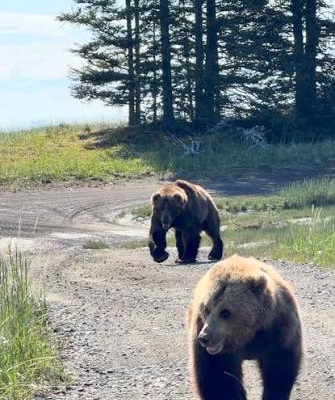
You might be feeling a bit stuck right now. You want to plan a trip to see wildlife; you picture that quiet moment when an elk steps out of the trees or a family of otters pops up in a marsh, or you imagine visiting Yellowstone Bear World, but every time you start planning, the same questions return. Is spring better than fall? Will you just end up staring at empty fields? Are you going to drag yourself and maybe your family across the country, only to see one squirrel and a crow in the parking lot?
Because of this tension, you might wonder if there is such a thing as the best time of year to visit a wildlife park, or if it is all just luck. The short answer is that timing matters, but it is not one size fits all. Seasons change animal behavior, park access, crowds, and even how you feel walking around all day. Once you understand a few patterns, you can match the season to the kind of experience you want, instead of hoping it all somehow works out.
So where does that leave you? It means you do not need to be an expert naturalist to plan a rewarding trip. You only need to understand what each season does to wildlife, to the park, and to you, then choose what fits your priorities for this vacation.
Why picking “the wrong” season feels so frustrating
Think about the emotional side first. You clear your calendar, maybe spend a good amount of money on travel and park fees, you show up excited, and then the trails are muddy, the animals are hiding in the heat, or the crowds are so thick that every viewpoint feels like a busy sidewalk. It is not just disappointing. It feels like you misread the entire situation.
On top of that, parks can be confusing to plan for. One website says summer is perfect. Another says animals are easier to see in winter. A friend swears by fall. You might scroll through a dozen photos online and forget that every one of those pictures was taken on someone’s best day, not a typical day.
Because of this, it can feel safer to put the trip off. You tell yourself you will go “when the timing is right.” The problem is that time passes, and the trip keeps slipping to the bottom of the list.
So how do you move from vague advice like “spring is nice” to a choice you feel confident about?
How seasons shape wildlife viewing more than you think
Animals live by the seasons. They migrate, breed, raise young, and conserve energy in patterns that repeat every year. If you understand those patterns, you can choose the ideal season for wildlife viewing based on what you hope to see.
Here is the general rhythm, which is also reflected in the National Park Service’s guidance on seasonal wildlife watching.
Spring. This is a season of movement and new life. Many animals migrate back into an area. You may see courtship displays, nesting birds, and young animals appearing later in the season. Trails can be muddy and weather unpredictable. In some mountain parks, snow still blocks higher roads.
Summer. Long days mean more time outside. Access is usually at its best, especially in places with heavy winter snow. On the other hand, heat often pushes animals to be active at dawn and dusk. Midday can feel quiet. Crowds are often highest, which can make some experiences feel rushed.
Fall. Many people quietly consider this the best time to visit a wildlife park without the summer rush. Animals prepare for winter. You might hear elk bugling, see deer in rut, or watch birds gathering for migration. Cooler temperatures can make hiking more comfortable. Some services start to close as the season goes on.
Winter. At first, winter might sound like the worst time. Fewer facilities are open, and it can be cold. Yet in some parks, wildlife is actually easier to see against snow. Animals move to lower elevations and may gather in valleys. The pace is slower, and crowds are thin. For some people, that quiet is exactly what they want.
Of course, every park has its own twist on this pattern. For example, Yellowstone has very different personalities in each season, and its own page on what each season looks like. Coastal refuges, desert parks, and forests each play by their own rules, but they still follow the same basic cycle of breeding, feeding, and resting.
What happens when your expectations and the season do not match
Here is where the stress often appears. The problem is not usually the season itself. It is the mismatch between your expectations and what that season naturally offers.
Imagine you visit in mid-summer hoping for constant wildlife action. You picture animals everywhere, all day. You arrive to find blazing heat. Most animals are resting in shade. You see a few at dawn, then not much until evening. The park did not fail you. Summer did exactly what summer does. The disappointment came from expecting spring-style activity in a summer pattern.
Or think about winter. You might assume there is “nothing to see” so you never consider it. Yet in some regions, winter brings animals into open areas, where tracks in the snow tell clear stories. If you enjoy quiet and are prepared for cold, winter can be a deeply rewarding time, and often less expensive, because lodging prices may drop outside of peak season.
So the real question becomes simple. Instead of asking “When is the best time of year to visit a wildlife park?” Ask “What kind of experience do I want, and which season supports that?”
Comparing seasons so you can match them to your priorities
To make this more practical, here is a side-by-side comparison. This is not a rigid rule. It is a guide to help you think in terms of tradeoffs.
| Season | Wildlife Activity | Crowds & Costs | Weather & Access | Best If You Want |
|---|---|---|---|---|
| Spring | High, with migration, courtship, and early young | Rising crowds, moderate prices | Unpredictable, some areas still closed | Excitement, variety, and do not mind changing plans |
| Summer | Moderate. Dawn and dusk are best | Highest crowds, highest prices | Most access, warm to hot conditions | Family-friendly access and long days outside |
| Fall | High. Mating seasons, migration, feeding | Moderate crowds, often better prices | Cooler, some services closing later | Active wildlife with calmer trails |
| Winter | Can be high, but concentrated in certain areas | Low crowds, off peak prices | Cold, limited roads and services | Quiet, focused viewing and a slower pace |
To make any of those seasons work for you, you also need a few practical skills. Simple choices such as where you stand, how quiet you are, and what time you go out can matter as much as the month on the calendar. The state of Massachusetts offers straightforward wildlife viewing tips and tools that apply almost anywhere.
Three grounded steps to choose your best season and make it count
1. Decide what you care about most
Before you look at dates, pause and name your top priority. Is it seeing a particular animal? Avoiding crowds. Keeping costs down. Traveling with children during their school break. Once you name that, you can choose the season that supports it instead of trying to get everything at once.
For example, if you dream of quieter trails and active wildlife, fall may be your best answer for a wildlife park visit. If you are traveling with kids and need predictable access and services, summer may suit you better, even if it means accepting more people around you.
2. Match a specific park to a specific season
Not every park shines at the same time. After you pick a season that fits your life, look at your short list of parks and check how that season plays out there. Many park websites have “seasons” or “when to visit” pages that describe typical wildlife behavior, road openings, and weather patterns. This small bit of research turns a generic plan into a smart one.
If you already know your dates, flip the process. Look at which parks are at their best in that window. For example, a desert park in March is very different from a northern forest in March. This is how a simple wildlife viewing trip starts to feel intentional rather than random.
3. Plan for the season’s limits, not just its highlights
Every season asks for a tradeoff. Spring might bring mud. Summer might require early alarms to catch animals at dawn. Fall might mean colder mornings and shorter days. Winter might limit where you can drive. Planning for these realities reduces stress on the ground.
Build in flexibility. Give yourself at least one “open” block of time with no fixed plan. If weather or wildlife sightings shift, you can adjust instead of feeling trapped. Pack for the season with layers, sun protection, or cold weather gear, so you are comfortable enough to stay present when that special moment happens.
Bringing it all together so you can actually go
You do not need a perfect answer. You only need a season that aligns with your priorities, a park that fits that season, and a simple plan that respects what nature is likely to do. When you think in those terms, the question of the best time to visit a wildlife park stops feeling like a test with one correct answer. It becomes a choice you can make with confidence.
Your next step is straightforward. Pick your priority, pick your season, then choose a park that is known to be good in that window. From there, use the official park website and basic viewing tips to shape your days. The sooner you decide, the sooner this moves from a stressful decision to a real trip on your calendar.

