
You notice it in photos first. Your teen smiles with lips closed. You catch yourself wondering whether coffee, tea, braces, or just time has made everyone’s teeth look a little dull. Then the family dental visit comes around, and whitening pops into your head right when you are also thinking about cleanings, cavities, schedules, cost, and whether anyone will need follow up care, and even where to find a reliable dentist in Lenoir City. That is usually the real moment people start asking about whitening. Not when they are casually browsing cosmetic options, but when they are already in the chair and trying to make a smart decision without being pushed into something unnecessary.
The short answer is simple. The best time to bring up whitening is during a routine family dental visit, after the exam but before treatment plans are finalized. That timing gives the dentist a clear view of oral health first, which matters because whitening is cosmetic, not a fix for decay, gum irritation, enamel wear, or the stains that come from deeper causes. A good conversation at that visit can tell you whether whitening makes sense now, should wait, or should not be done yet at all.
Whitening discussions work best after the exam and before cosmetic decisions are made
A lot of people assume whitening is a harmless add on, like picking a polish at the end of an appointment. It is not that simple. Teeth can look yellow for different reasons, and not all of them respond the same way to bleaching. Surface stains from coffee or tea may lighten. Internal discoloration from trauma, certain medicines, or enamel defects may not. Fillings, crowns, and bonding do not whiten the way natural teeth do, which can leave the shade uneven.
That is why a general and cosmetic dentist usually wants to check for the basics first. Cavities, gum inflammation, exposed roots, worn enamel, and tooth sensitivity can all change the answer. If whitening happens before those issues are found, you may end up with more discomfort, patchy results, or money spent on something that had to be redone later.
This gets even more sensitive when children and teens are part of the family visit. Parents often ask whether whitening is safe because a child has spots after braces or feels self conscious about staining. That feeling is real, and it deserves a careful answer. The American Academy of Pediatric Dentistry guidance on dental bleaching for children and adolescents explains that age, tooth development, sensitivity risk, and the cause of discoloration all matter. Whitening should never be treated like a casual cosmetic extra for a growing mouth.
When the topic comes up during a family appointment, your dentist can also connect appearance to health. The CDC overview of oral health makes the point clearly that oral health affects daily life, from eating and speaking to confidence and comfort. A brighter smile can feel meaningful, but it should sit on top of healthy teeth and gums, not distract from problems that need attention first.
The right time for teeth whitening consultation depends on the cause of discoloration
Timing is less about the calendar and more about conditions being right. If your cleaning removes stain buildup, you may find you do not need whitening at all. If the color still bothers you after cleaning, that is the cleaner point to compare options. If someone in the family has untreated decay, gum bleeding, or strong sensitivity, whitening usually moves down the list until those issues are handled.
You also want to mention upcoming life events. Weddings, senior photos, reunions, job interviews, and school milestones often drive interest in whitening. That matters because some whitening methods work faster than others, and some can cause short term sensitivity. If you wait until the week of the event, you may limit the safest options.
There is also the issue of pain. If anyone in your family already winces with cold drinks or brushing, that should come out in the conversation. Tooth sensitivity can have several causes. MedlinePlus explains common reasons for tooth sensitivity, including enamel loss, gum recession, and decay. Whitening on top of that can make a manageable problem feel a lot worse.
Professional whitening and store bought products are not the same decision
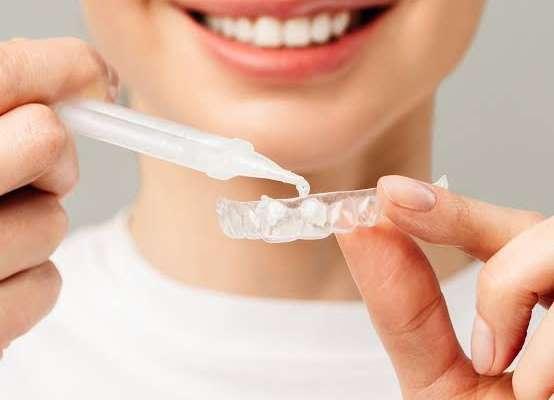
When to ask about whitening at the dentist becomes easier once you separate two different choices. One is whether whitening is appropriate. The other is how to do it. Store bought strips, pens, and trays look convenient, but they do not account for dental work, gum irritation, uneven stain patterns, or hidden disease. Professional care does.
| Option | Best Fit | Main Benefit | Main Concern |
| Professional in office whitening | Adults with healthy teeth who want faster results | Stronger supervision and more predictable shade change | Higher cost and possible short term sensitivity |
| Custom take home trays from a dentist | People who want gradual control and dentist guidance | Better fit, less gum exposure, more even results | Requires consistent use over days or weeks |
| Over the counter strips or kits | Mild surface staining on otherwise healthy teeth | Lower upfront cost | One size fit, uneven whitening, more misuse risk |
| No whitening yet | Anyone with decay, gum disease, untreated sensitivity, or young patients still being evaluated | Avoids worsening existing problems | Cosmetic concern remains until oral health issues are treated |
A family dentist can also tell you when whitening will clash with other cosmetic work. If veneers, bonding, or crowns are planned, shade matching should happen in the right order. Whitening first often makes more sense, because restorations can then be matched to the brighter natural tooth color.
Practical steps to discuss smile whitening without wasting time or money
Bring it up before the appointment ends. Do not save it for the walk to the front desk. Ask during the exam or right after cleaning, when the dentist has already seen the teeth clearly and can give useful advice instead of a guess.
Describe what you are seeing, not just what you want. Say whether the issue is yellowing, white spots, one dark tooth, staining after braces, or sensitivity with cold drinks. That detail helps your dentist tell the difference between a cosmetic concern and a health problem with a cosmetic symptom.
Ask about timing with other treatment. If anyone needs fillings, orthodontic follow up, gum care, or crown work, ask where whitening fits. That one question can spare you from uneven color, repeat visits, and paying twice for the same goal.
The best family dental whitening conversation is an honest one
You do not need to have the right product in mind before you ask. You just need the right moment, and that moment is usually during a regular family dental visit once the exam is done and the full picture is clear. Whitening can be a good option, but only when the teeth and gums are ready for it, the cause of discoloration is understood, and the plan fits the person sitting in the chair.
If whitening has been on your mind, bring it up at the next visit and ask how it fits into your family’s oral health plan with a general and cosmetic dentist.

