
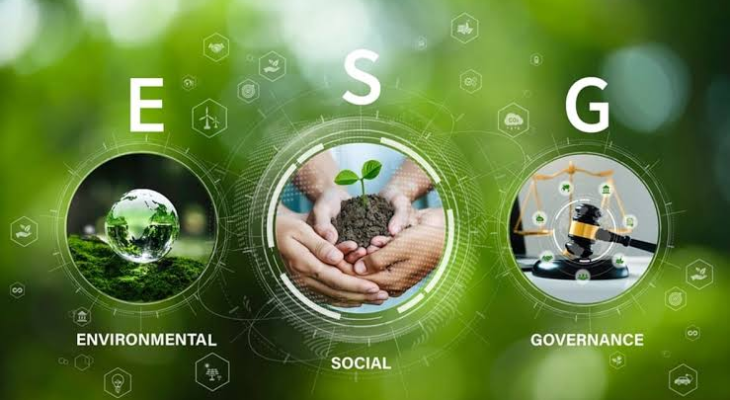
You might be feeling the pressure from every direction at once. Investors want cleaner numbers, regulators want clearer disclosures, and internal teams are trying to gather emissions data from systems that were never built to talk to each other. What used to feel like a sustainability issue now feels like a reporting issue, a risk issue, and a trust issue all at the same time. That is why the importance of CPAs in environmental and ESG reporting keeps growing, and a Long Island CPA can help strengthen the accuracy and credibility of that work. When the numbers behind climate and ESG claims are weak, the whole story starts to wobble. When the numbers are sound, you can move with more confidence.
For many organizations, the shift is hard to miss. Environmental reporting is no longer just a side project for a sustainability team. It now touches finance, operations, legal review, investor relations, and board oversight. Because of that tension, you might wonder where a Certified Public Accountant fits in. The short answer is simple. A CPA helps turn scattered environmental data into reporting that is consistent, supportable, and ready for scrutiny.
Why does environmental and ESG reporting feel so hard right now?
Part of the stress comes from the fact that ESG reporting asks companies to measure things that are not always easy to quantify. Financial reporting has decades of structure behind it. Environmental metrics often do not. You may be dealing with utility bills, fuel records, supplier estimates, operational logs, and assumptions about emissions factors, all while trying to produce a clean and reliable disclosure.
Then there is the regulatory side. The U.S. Environmental Protection Agency’s Greenhouse Gas Reporting Program shows how formal greenhouse gas reporting can become, especially for certain facilities and sectors. On top of that, companies often need to understand direct emissions and purchased energy emissions, which the EPA explains in its guide to Scopes 1 and 2 emissions inventorying. If your team is still deciding what belongs where, you are not alone.
And there is another layer. Public companies and market participants are watching developments from the SEC closely, including the agency’s climate related disclosure rule announcement. Even when requirements shift or face challenges, the message to the market is clear. Climate and ESG information is being treated with more seriousness, and weak controls can create real exposure.
So where do CPAs come in when ESG numbers start to matter more?
A CPA brings discipline to information that can otherwise become messy fast. That matters because environmental and ESG data is often gathered across departments, with different owners, different methods, and different definitions. One team may track fuel use monthly, another may estimate it quarterly, and a third may not document assumptions at all. If that data later appears in a report to investors or lenders, any gap can become a problem.
This is where the role of CPAs in ESG reporting becomes clear. A CPA can help build processes around data collection, test whether numbers tie back to source documents, assess internal controls, and flag areas where disclosures overreach the evidence. That is not just about compliance. It is about credibility.
Think about a simple example. A company says it reduced emissions by 18 percent year over year. It sounds strong. But what if one facility changed its measurement method halfway through the year, or what if acquired operations were left out of the baseline? Without a careful review, that claim can mislead readers even if no one meant to do anything wrong. A CPA helps ask the uncomfortable but necessary questions before someone else does.
What are the real risks of handling environmental reporting without accounting discipline?
When companies manage ESG disclosures without strong review, the risks tend to show up in familiar ways. Numbers cannot be traced. Definitions shift from one report to the next. Material assumptions are not documented. Leaders sign off on claims they believe are accurate, only to learn later that the underlying data was incomplete.
Environmental and sustainability reporting often carries the same stakes as other public facing reporting. If investors, lenders, customers, or regulators rely on it, the cost of error can be high. You could face reputational damage, internal rework, audit delays, or legal review that arrives late and under pressure. Even if the issue is small, the loss of trust can be hard to repair.
How does a CPA compare with a do it yourself approach?
If your team is weighing whether to manage everything internally or bring in accounting support, it helps to look at the tradeoffs plainly.
| APPROACH | POSSIBLE STRENGTHS | COMMON RISKS |
| Internal only, informal process | Lower short term cost, faster early drafting | Inconsistent methods, weak documentation, hard to defend numbers |
| Internal team with CPA oversight | Better controls, clearer definitions, stronger review of assumptions | Requires coordination across departments |
| CPA led reporting support | More reliable data flow, stronger readiness for assurance or review, cleaner governance | Upfront investment and planning needed |
For many organizations, the middle path works well. Operations and sustainability teams know the activity data. Finance and a Certified Public Accountant help make sure the reporting stands up under pressure. That combination can reduce friction while improving trust in the final numbers.
What can you do right now to make ESG reporting more reliable?
1. Map your data sources. List where each environmental metric comes from, who owns it, how often it is updated, and what support exists behind it. If a number cannot be traced, treat that as a warning sign, not a small inconvenience.
2. Define your methodology in writing. Decide how you calculate emissions, what boundaries apply, which facilities or business units are included, and how estimates are handled. Consistency matters. A written method can prevent confusion later.
3. Bring accounting review in early. Do not wait until the report is almost done. A CPA can help identify control gaps, test support, and improve disclosure quality before deadlines tighten. That early review often saves time, stress, and reputational risk.
What does all of this mean for your next report?
The growing need for CPA support for ESG disclosures is really about something simple. People are asking harder questions, and they expect answers backed by evidence. If your environmental data is becoming part of how others judge your business, it deserves the same care as financial reporting.
You do not need perfect systems on day one, and you do not need to solve every reporting issue overnight. You do need a process that is honest, structured, and reviewable. A Certified Public Accountant can help you build that foundation, reduce avoidable risk, and move from uncertainty to clarity with less strain on your team.
If your organization is preparing for tighter ESG expectations, now is a good time to review how your numbers are gathered, tested, and reported, and to consider whether CPA support could make that work more dependable.

