
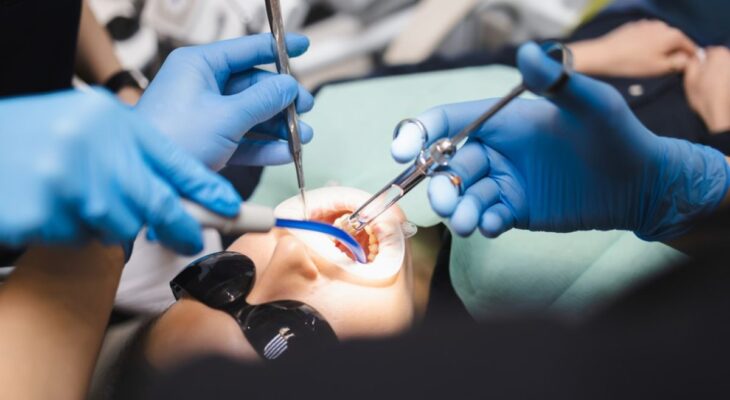
Oral cancer can grow in silence. You may not feel pain until the disease is strong. Preventive dentistry gives you a chance to stop trouble early. Routine exams, cleanings, and simple tests can reveal small changes in your mouth before they turn into severe disease. Your dentist checks your tongue, cheeks, gums, and throat. They look for patches, sores, or lumps. They also ask about smoking, alcohol use, and family history. Then they guide you with clear steps. You gain control. You protect your health. Regular visits to a Sunnyvale dental office can lower your risk and catch early signs. This blog explains how routine care, smart habits, and honest talks with your dentist help guard you against oral cancer.
Why oral cancer screening matters
Oral cancer can affect the lips, tongue, cheeks, floor of the mouth, hard or soft palate, and throat. Many people notice it late. Treatment then becomes harder. Early cancer is smaller. It responds better to care. Screening lets your dentist spot warning signs before you do.
At a checkup, your dentist does three key things.
- Looks closely at all parts of your mouth and throat
- Feels the tissues in your mouth and neck
- Talks with you about habits that raise risk
This short visit can protect your life. It is simple. It is quiet. It is strong.
Common risk factors you can change
Some things raise your chance of oral cancer. You control many of them.
- Tobacco use. This includes cigarettes, cigars, pipes, chewing tobacco, and snuff.
- Heavy alcohol use. Alcohol irritates mouth tissues and works with tobacco to raise risk.
- Human papillomavirus (HPV). Certain HPV types link to throat and tongue cancer.
- Excess sun to the lips. This affects people who work or play outdoors.
- Poor mouth care. Long term plaque and infection stress your tissues.
You cannot change age or family history. You can change tobacco, alcohol, and mouth care. You can use a lip balm with sun block. You can ask your health care team about HPV vaccines for your children. Small moves lower risk over time.
Warning signs you should never ignore
Preventive dentistry works best when you know what to watch for. Call your dentist if any of these stay longer than two weeks.
- A sore in your mouth or on your lip that does not heal
- Red or white patches on your tongue, gums, or cheeks
- A lump, thick spot, or rough patch
- Trouble chewing, swallowing, or moving your tongue or jaw
- Numbness of the tongue or other mouth parts
- Voice changes or a sore throat that will not go away
Do not wait for pain. Pain often comes late. Quick action gives you a better chance.
How routine dental visits reduce your risk
Regular checkups do more than clean your teeth. They create a record of your mouth over time. Your dentist learns what is normal for you. Then small changes stand out.
During each visit, your dental team can
- Check for changes in color, shape, and texture of mouth tissues
- Note any sores, ulcers, or rough spots
- Review your tobacco and alcohol use in a direct way
- Ask about new symptoms like hoarseness or swallowing pain
- Teach you how to check your own mouth at home
This steady watch acts like a safety net. You do not face cancer risk alone. You have eyes and hands trained to see danger early.
What happens during an oral cancer screening
An oral cancer screening is quick and usually painless. It often takes less than five minutes as part of your usual exam.
Your dentist will often
- Ask about your health history and any new symptoms
- Look at your lips, tongue, gums, cheeks, and roof and floor of your mouth
- Gently pull your tongue forward to see all sides
- Shine a light to see color and texture changes
- Feel your jaw and neck for lumps or tenderness
If something looks suspicious, your dentist may recheck it in a few weeks or refer you for a biopsy. A biopsy means a small tissue sample. A specialist reviews it under a microscope. This confirms if cells are normal or cancer.
Everyday habits that protect your mouth
Preventive dentistry starts in your home. Three daily habits help shield you.
- Brush twice a day with fluoride toothpaste
- Clean between your teeth every day with floss or another tool
- Look in a mirror each month and check your mouth
During self checks, look at your tongue, the sides of your tongue, the floor of your mouth, and the inside of your cheeks. Use good light. Feel for lumps with clean fingers. If something concerns you, call your dentist. You deserve clear answers.
Risk comparison table
The table below shows how common habits change risk of oral cancer. These patterns match research from the National Cancer Institute and other public health groups. Individual risk can differ.
| Habit pattern | Relative oral cancer risk | Key change you can make |
|---|---|---|
| No tobacco, little or no alcohol | Lowest risk | Keep routine dental visits and self checks |
| Alcohol use, no tobacco | About 2 to 3 times higher risk | Limit drinks and add more alcohol free days |
| Tobacco use, little alcohol | About 3 to 5 times higher risk | Seek help to quit tobacco and schedule regular exams |
| Tobacco and heavy alcohol use | More than 5 times higher risk | Work with your care team to stop both and increase screenings |
| Strong sun exposure to lips | Higher lip cancer risk | Use lip balm with SPF and wear a brimmed hat |
Support for you and your family
You do not need to face these choices alone. Trusted public health sources offer clear facts, stories, and tools.
- The National Cancer Institute explains oral cancer types, treatment options, and support.
- The National Institute of Dental and Craniofacial Research shares tips on mouth health and exams.
You can print facts for your family. You can talk with your children about tobacco and alcohol. You can bring questions to your dentist. Honest talks can break fear and shame. That honesty opens a path to change.
Take your next step today
Oral cancer steals health quietly. Preventive dentistry gives you a shield. You can use that shield with three moves. Keep regular dental visits. Watch your own mouth. Cut back on tobacco and alcohol, or stop them. Each move lowers risk. Each move protects the people who care about you. Start with one call for an exam and screening. Your future self will feel deep relief.

