
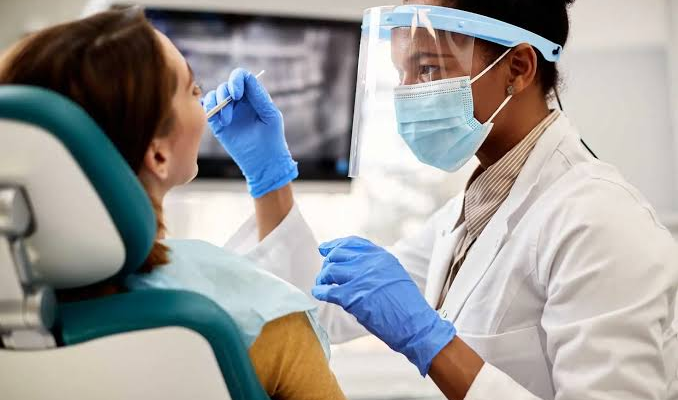
You might be feeling a little uneasy every time you think about the dentist or even about exploring cosmetic dentistry services in Monterey Park. Maybe you put off booking that checkup because life is busy, money is tight, or you worry they will find something wrong. It often starts with a small sensitivity to cold drinks or a bit of bleeding when you brush. You tell yourself you will wait and see. Months pass, and what was once a minor annoyance becomes a constant worry.end
That is usually the turning point. The “before” is a quiet concern in the background. The “after” can be a sudden toothache at night, a rushed visit, and a bill that feels heavier than it should. You might be wondering if there was a way to catch things early, before they became urgent and expensive. There is. Regular checkups with a family dentist are not just a formality. They are how small, nearly invisible problems are found and treated before they grow.
So where does that leave you right now. In simple terms, preventive visits give your dentist a chance to spot decay, gum disease, and other issues early, often before you feel any pain at all. Early care usually means less drilling, fewer appointments, and lower costs. It also means you are far less likely to wake up at 2 a.m. holding your jaw and wondering what to do next.
Why do small, “harmless” dental issues turn into big problems so quickly?
It often starts quietly. A tiny cavity. A bit of plaque near the gumline. You do not see it in the mirror, and you might not feel it yet. Without a preventive visit, that small spot of decay keeps growing under the surface. By the time it hurts, the damage is usually much larger than you expect.
Research has shown that many adults live with untreated dental problems for years. One report on older adults found that those without regular dental care were much more likely to have untreated decay and tooth loss, which directly affected their ability to eat and speak comfortably. You can see this pattern in federal health data on oral health in older Americans, where missing teeth and untreated decay rise as regular visits drop. If you are curious, you can review those findings in this CDC report on aging and oral health.
Because of this pattern, what starts as a small, fixable problem can turn into something that affects your daily life. You may begin to avoid certain foods. You might feel self-conscious about your smile. Simple joys like sharing a meal or laughing out loud can start to feel uncomfortable.
So why is it so easy to delay preventive care. Often it is a mix of fear, cost worries, and time. You might think, “If it does not hurt, it can wait.” Or, “I will go when I have more money.” The hard truth is that waiting usually makes care more complex and more expensive. A filling that might have cost a few hundred dollars can turn into a root canal and a crown. In more advanced cases, it can even lead to tooth loss and the cost of a bridge or implant.
How do preventive visits actually catch problems early?
During a preventive visit, your family dentist is not just checking if you have cavities. They are looking at your whole mouth. They examine your teeth, gums, tongue, jaw, and even the way your teeth fit together. They may take X-rays to see between teeth and beneath old fillings, where early decay often hides.
This is where the real power of preventive dental care to stop problems before they escalate shows up. A dentist can spot tiny areas of demineralization, which is the early stage of a cavity. At that stage, they may not even need to drill. Fluoride treatments, sealants for children, and changes in home care can often stop or slow early decay.
Gum disease works the same way. Early gum disease may show up as redness, minor bleeding, or puffiness. You might shrug it off. A dentist or hygienist will notice it right away. With a professional cleaning and better brushing and flossing habits, early gum disease can often be reversed. If it is not treated, it can progress to bone loss and loose teeth.
Preventive visits can also catch issues that go beyond teeth. Conditions like oral cancer, dry mouth, or problems related to diabetes and heart disease can show subtle signs in the mouth. Clinical guidance from resources such as this NCBI overview of oral health and systemic disease explains how closely oral health is tied to overall health. A routine checkup can sometimes be the first clue that something else in your body needs attention.
What are the real tradeoffs of skipping versus keeping preventive visits?
You might still be weighing it in your mind. Is it really worth going in every six months if nothing hurts. To make this clearer, it helps to lay out the differences between staying on top of visits and waiting until there is a problem.
| Choice | Short-term Experience | Long-term Impact | Typical Costs Over Time |
|---|---|---|---|
| Regular preventive visits | Routine cleanings, brief exams, mild discomfort at most | Fewer emergencies, smaller fillings, better gum health, more natural teeth kept for life | Predictable, usually lower annual cost for checkups and occasional minor work |
| Waiting until it hurts | No visits at first, then sudden pain and urgent appointments | Higher risk of root canals, extractions, gum disease, and tooth loss | Less frequent at first, then large, unpredictable bills for complex treatment |
When you see it laid out this way, the tradeoff becomes clearer. You can choose smaller, planned moments of care now, or larger, urgent interventions later. Preventive visits with a family dentist are not just about clean teeth. They are about control. They let you decide how and when you handle your dental health instead of leaving it up to emergencies.
What can you do right now to protect your teeth and avoid future crises?
You do not have to overhaul your entire life to benefit from early detection of dental problems through regular checkups. A few focused steps can make a real difference.
1. Schedule your next preventive visit, even if you feel fine
Feeling fine does not always mean everything is fine. Many cavities and gum issues are painless at first. Pick a family dentist you feel comfortable with. If dental anxiety is an issue, mention it when you book. A good office will take that seriously and move at a pace that feels safe for you.
Try to treat this appointment like you would a yearly physical. It is not a sign that something is wrong. It is how you keep things from going wrong in the first place.
2. Turn home care into a simple daily routine, not a chore
What you do at home is the bridge between preventive visits. Brush twice a day for two minutes with fluoride toothpaste. Floss once a day, even if you start with just a few teeth and build up. Small, consistent habits do more for your teeth than occasional bursts of effort.
If you find flossing awkward, ask your dentist or hygienist to show you an easier method. There are tools like floss holders and interdental brushes that can help. The goal is not perfection. The goal is better than yesterday.
3. Talk openly with your dentist about cost and timing
Money worries are real, and they often keep people from getting the care they need. Be honest with your dentist about your budget. Many offices offer payment plans, staged treatment, or suggestions for what needs attention now and what can safely wait.
By catching problems early, your dentist often has more options. A small cavity might be repaired with a simple filling instead of a crown. Mild gum disease might be treated with a deep cleaning instead of surgery. That difference can save you time, discomfort, and a significant amount of money.
Moving forward with more confidence about your dental health
If you have been carrying quiet worry about your teeth, you are not alone. Many people feel the same mix of stress, guilt, and fear. The good news is that you do not need a perfect history to start protecting your mouth now. Preventive visits are about meeting you where you are and helping you avoid the next crisis.
By choosing regular checkups with a trusted family dentist, you give yourself the chance to catch problems while they are still small, simpler to treat, and far less costly. You protect your smile, your comfort, and even your overall health.
You deserve a future where you are not surprised by sudden toothaches or overwhelming dental bills. One scheduled preventive visit and a few steady home habits can be the first quiet step toward that future.

